
Fight Club
David Fincher · 1999
An insomniac office worker and a charismatic soap salesman form an underground fight club that evolves into something far more dangerous. A critique of consumer masculinity that implicates the viewer in its protagonist's pathology.
Techniques Used
5 techniques identified in this film
Unreliable Narrator
NarrativeA storytelling perspective where the character narrating cannot be trusted — due to self-deception, mental illness, or deliberate manipulation — requiring the audience to revise their understanding of the story.
How this film uses it
The Narrator's Tyler Durden is a dissociative hallucination, but Fincher retroactively hides this in plain sight throughout: Tyler appears in single-frame flashes, their dialogue never overlaps others'.
Direct Address
NarrativeA character speaking directly to the camera — breaking the fourth wall — creating complicity between character and viewer and foregrounding the film's artifice.
How this film uses it
The Narrator's voiceover frequently addresses 'you' directly, and Tyler himself acknowledges the film's frame at the end, making the audience complicit in the ideology they've been seduced into endorsing.
Subliminal Editing
EditingInserting single frames or very brief shots into a sequence so they register subliminally rather than consciously — felt rather than seen.
How this film uses it
Fincher inserts single frames of Tyler Durden throughout the film before his formal introduction, encoding the twist into the film's visual texture for repeat viewers.
Dutch Angle
CinematographyTilting the camera on its z-axis so the horizon is diagonal rather than level, creating visual disorientation and signaling psychological instability or moral corruption.
How this film uses it
Fincher uses subtle Dutch angles during fight sequences and as Tyler's influence over the Narrator grows, gradually tilting the frame's moral center.
Color Grading as Psychology
CinematographyUsing the film's overall color treatment to reflect emotional or psychological states, differentiating between versions of reality or states of consciousness.
How this film uses it
The Narrator's desaturated, green-gray everyday world contrasts with the warmer, higher-contrast visuals of Tyler's presence — the color palette tracks the protagonist's psychological dissociation.
You Might Also Like
Films that share at least one technique with Fight Club
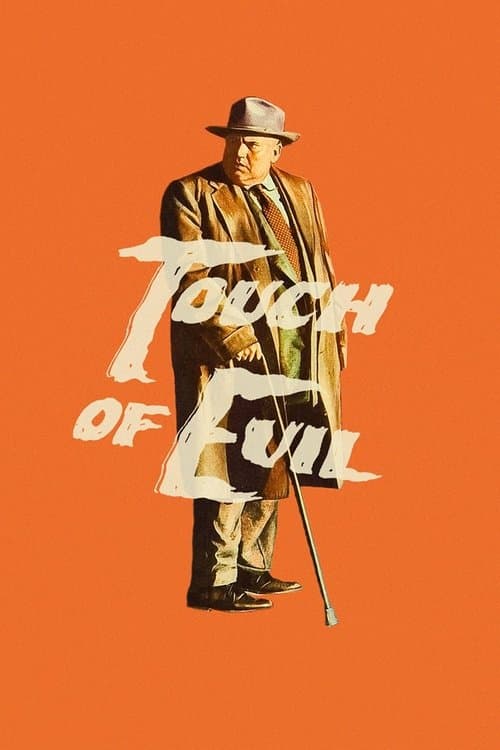
A Mexican narcotics detective and his American wife become entangled with a corrupt Texas police captain on both sides of the border after a car bombing. Welles' baroque masterpiece opens with cinema's most famous tracking shot.
Touch of Evil
Orson Welles · 1958
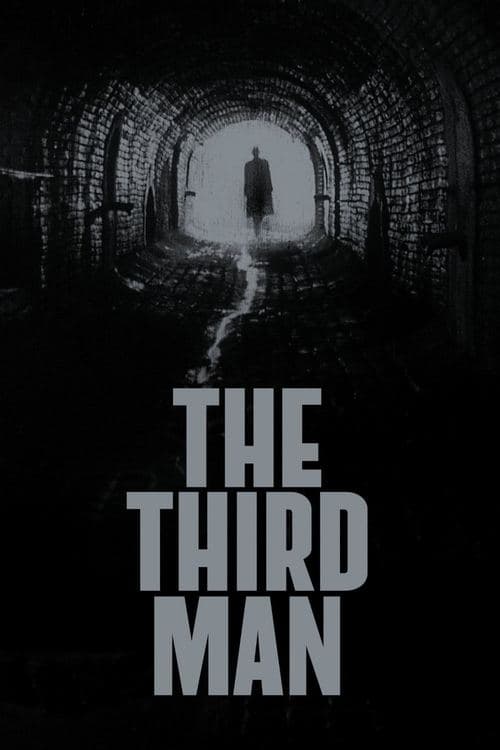
An American pulp novelist arrives in postwar Vienna to meet his friend Harry Lime, only to find him recently dead — and then discovers Harry may not be dead at all. Reed's film uses Vienna's ruins as a moral landscape and produces one of cinema's greatest villains.
The Third Man
Carol Reed · 1949
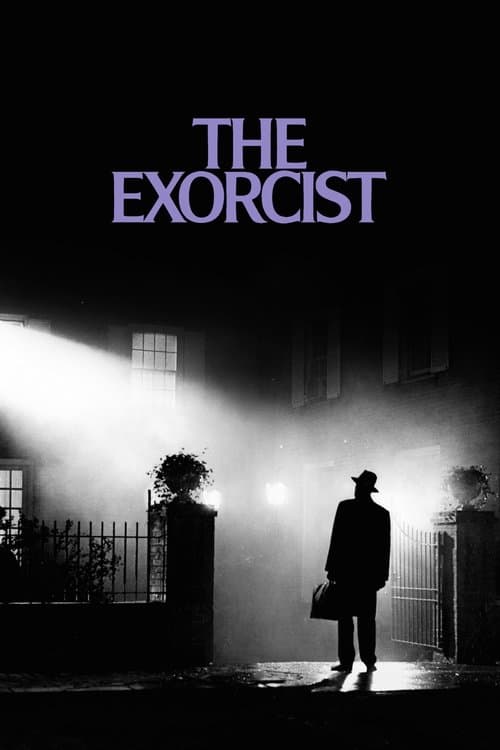
A twelve-year-old girl in Georgetown becomes possessed by a malevolent entity, and her desperate mother turns to a priest wrestling with his own faith crisis to perform an exorcism. William Friedkin's film remains the definitive statement on the horror of the body turned against the self.
The Exorcist
William Friedkin · 1973