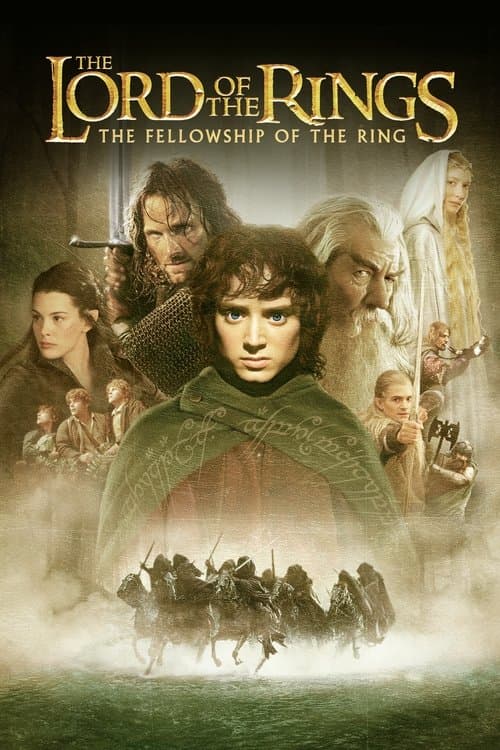
The Lord of the Rings: The Fellowship of the Ring
Peter Jackson · 2001
A hobbit from the Shire inherits a ring of terrible power and sets out with eight companions to destroy it before it can be reclaimed by the dark lord Sauron. A world-building epic that earns its mythology through texture, scale, and the specificity of its characters.
Techniques Used
5 techniques identified in this film
Secondary World Construction
NarrativeBuilding a believable fictional world through the accumulation of consistent internal rules, history, culture, and visual detail — creating the impression of a world that exists beyond what the audience sees.
How this film uses it
Jackson and production designer Grant Major created Middle-earth as a world with distinct regional architectures, languages, clothing, agriculture, and social structures. The Shire feels genuinely inhabited; Rivendell genuinely ancient. The world's believability is constructed through thousands of specific decisions.
Practical Miniature Construction
CinematographyBuilding extremely detailed large-scale miniatures — called 'bigatures' — that can be filmed with real cameras to achieve architectural and environmental shots that would be impossible at full scale.
How this film uses it
WETA Workshop built Minas Tirith, Barad-dûr, Helm's Deep, and Rivendell as physical models at scales up to 1:20, then filmed them with motion-controlled cameras that could be digitally composited with live-action footage. The physical construction gives these locations a weight that pure CGI cannot replicate.
Cultural Musical Identity
SoundComposing distinct musical vocabularies for different cultures within a single film's world — each with its own instrumentation, rhythm, and melodic character — so that music itself carries anthropological information.
How this film uses it
Howard Shore gave the Shire an Irish tin whistle and acoustic warmth; Mordor a chromatic, brass-heavy darkness; the elves a pure, distant vocal texture. Audiences absorb these associations unconsciously so that hearing a theme instantly locates them in a cultural and moral space.
The Fellowship Scene
NarrativeA narrative set piece dedicated entirely to assembling a group of diverse characters, establishing their individual personalities and the tensions between them before any external action begins.
How this film uses it
The Council of Elrond scene introduces nine characters from different cultures whose motivations, histories, and abilities are all distinct — and establishes the political complexity that makes the Fellowship's unity fragile from the start. The scene does the work of an entire film's exposition in twenty minutes.
Monomyth Ensemble
NarrativeApplying Joseph Campbell's hero's journey structure to a group of protagonists simultaneously, so that each character undergoes their own version of the mythic arc while collectively embodying its stages.
How this film uses it
Frodo's arc is the central monomyth — the call, the threshold crossing, the trials — but every Fellowship member also undergoes their own version. Aragorn refuses the call before accepting it; Gandalf dies and is reborn; Boromir falls and redeems himself. The ensemble is a mythic chorus.
You Might Also Like
Films that share at least one technique with The Lord of the Rings: The Fellowship of the Ring
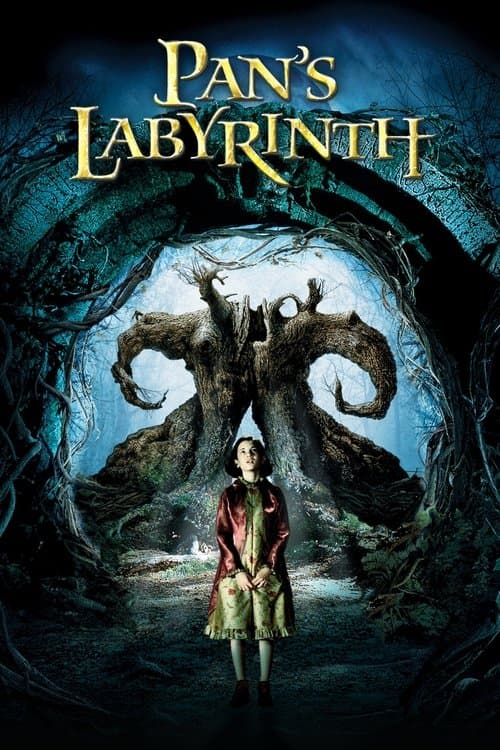
In postwar fascist Spain, a young girl named Ofelia retreats into an elaborate underground fantasy world while her cruel stepfather commands a military campaign against Republican insurgents. Del Toro's fairy tale is told with absolute moral seriousness — the fantasy is not escapism but the only form resistance can take.
Pan's Labyrinth
Guillermo del Toro · 2006
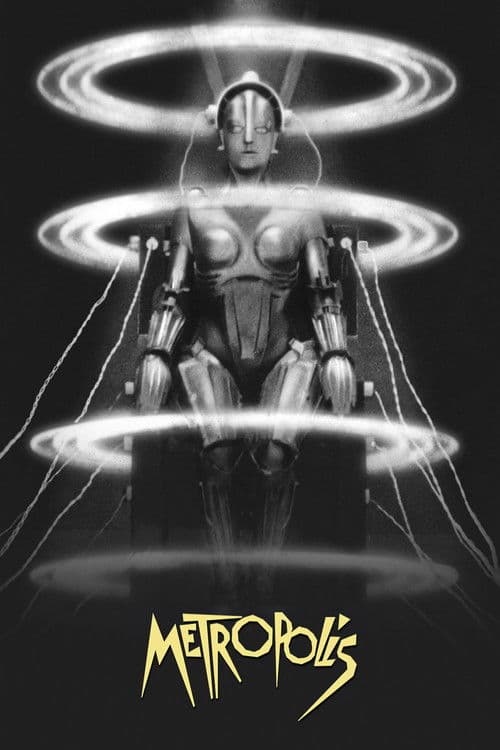
In a vast future city, the privileged ruling class lives above ground while workers labor in underground machinery, until the son of the city's master falls in love with a worker-prophet and discovers what lies beneath. Fritz Lang's silent masterpiece invented the visual language of science fiction cinema and encoded within it a political argument that has never stopped being relevant.
Metropolis
Fritz Lang · 1927
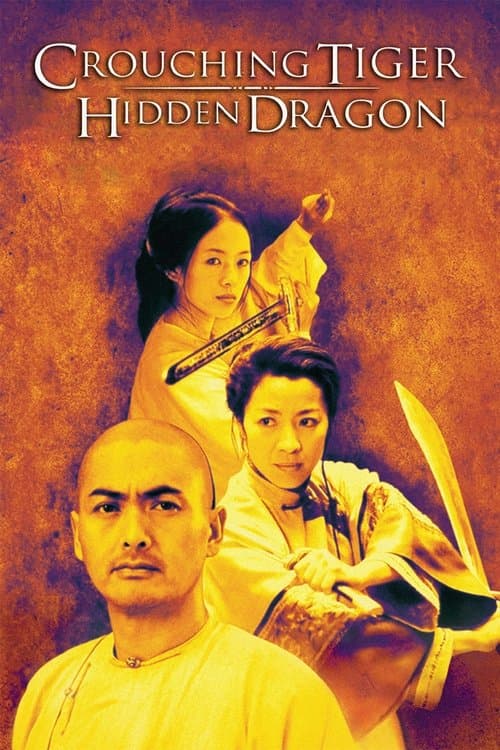
A legendary warrior's sword is stolen, drawing him, his partner, and a rebellious aristocratic young woman into a pursuit across Qing Dynasty China that forces each of them to confront what they have suppressed in the name of duty. Ang Lee's film uses the wuxia genre to make an argument about the relationship between freedom and self-sacrifice.
Crouching Tiger, Hidden Dragon
Ang Lee · 2000