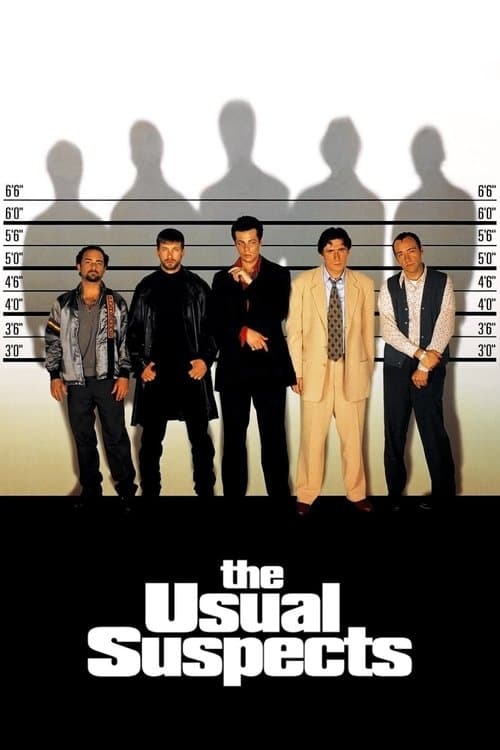
The Usual Suspects
Bryan Singer · 1995
The lone survivor of a massacre at a San Pedro harbor tells a customs agent the story of how five criminals were brought together by the mysterious crime lord Keyser Söze. The film's architecture is built around one of cinema's most celebrated unreliable narrators.
Techniques Used
4 techniques identified in this film
Unreliable Narrator
NarrativeA storytelling device in which the person relaying events to the audience is revealed to be distorting, fabricating, or fundamentally misrepresenting what actually happened.
How this film uses it
Verbal Kint narrates the entire film to a federal agent — but the film's final minutes reveal that everything we have witnessed was a spontaneous fiction assembled from objects visible in the interrogation room.
Retrospective Voiceover
NarrativeA narrative device where a character narrates past events in hindsight, creating ironic distance between what the narrator claims and what the audience later understands to be true.
How this film uses it
Kint's smooth, sympathetic voiceover guides the audience through a constructed past — the retrospective frame lending the fabrication an air of confessional authority.
Fractured Memory Editing
EditingThe intrusion of past events into the present timeline through abrupt, non-signaled cuts that replicate how trauma surfaces involuntarily.
How this film uses it
The film's flashback structure interweaves interrogation-room present with reconstructed past in a rhythm that feels like memory being accessed — only at the end is the structure revealed as fabrication.
Expectation Collapse
NarrativeA structural reversal that demolishes the genre framework the audience has been operating within, retroactively reframing everything that preceded it.
How this film uses it
Singer and McQuarrie construct a conventional ensemble crime narrative — then collapse the entire edifice in the final scene, revealing that the genre itself was the misdirection.
You Might Also Like
Films that share at least one technique with The Usual Suspects
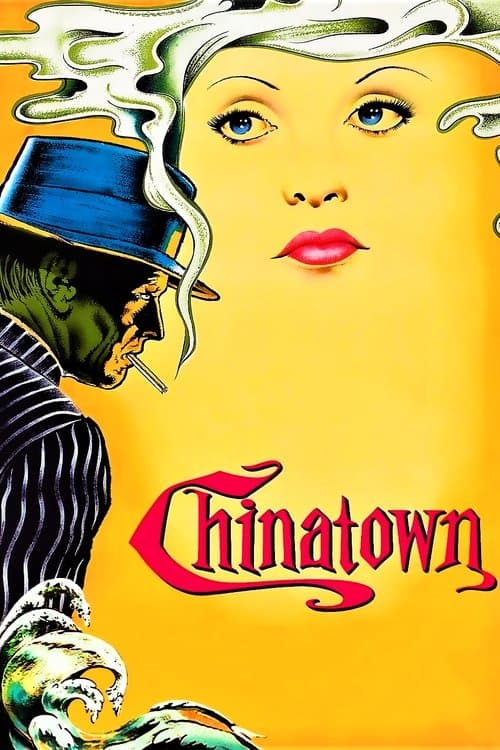
A Los Angeles private detective hired to investigate a supposed adultery uncovers a conspiracy involving the city's water supply — and discovers that the truth is far worse than any crime he expected to find. The defining neo-noir, built on the impossibility of justice.
Chinatown
Roman Polanski · 1974
Los Angeles private investigator J.J. Gittes is hired to tail a man's wife and finds himself entangled in a conspiracy of water, power, and incest that reaches the city's most powerful man. Roman Polanski's neo-noir masterpiece dismantles the detective genre's promise of resolution — the investigation succeeds, and everything is destroyed.
Chinatown
Roman Polanski · 1974
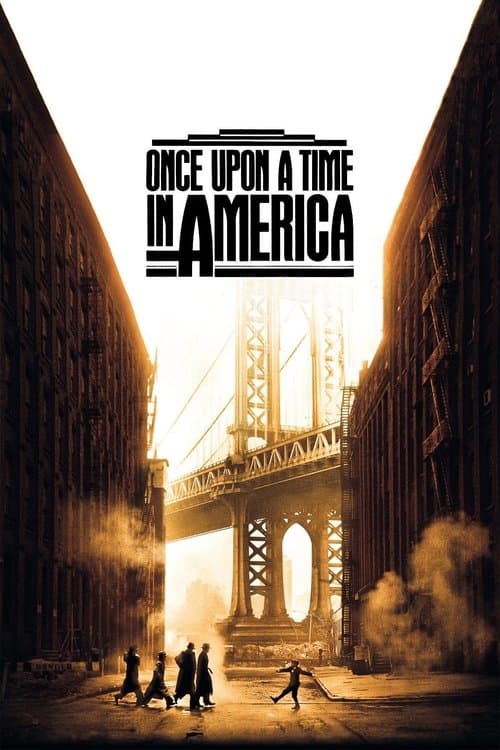
David 'Noodles' Aaronson returns to New York decades after betraying his gang, piecing together a life of crime, friendship, and loss across three eras of the twentieth century. Leone's final film uses the gangster epic as a vehicle for exploring memory, guilt, and the impossibility of returning to a past that was already being destroyed as it was lived.
Once Upon a Time in America
Sergio Leone · 1984