In this future, human consciousness can be digitized and transplanted into cybernetic bodies. Major Motoko Kusanagi is a cyborg police operative hunting a hacker called the Puppet Master. Alongside that, she questions whether her own sense of self amounts to anything that could be called a 'ghost'. Mamoru Oshii's film is the philosophical foundation of cyberpunk cinema.
Ghost in the Shell is a 1995 animation and science fiction film directed by Mamoru Oshii. This breakdown covers 4 techniques (2 narrative, 1 editing and 1 sound), each with the scene where you can see it. If you like how it is made, Paprika uses several of the same techniques.
Building the story around a character slowly finding out that their reality is constructed. The film uses this to ask how anyone can check that what they experience is real.
How this film uses it
The central question of the film is whether a consciousness that has been digitized and installed in a synthetic body has a 'ghost' (a soul) at all. It starts with how you can know yourself. Then, it pushes that further and asks whether the self can survive being copied by technology.
Where to see it
The Major diving into the water. The camera watches her synthetic body from below, and her face is peaceful in the moment before she surfaces. In every frame, you wonder whether there is anyone inside the shell.
Building the story on the idea that the characters' world may be an artificial simulation. The film uses that idea to ask what is real and how anyone could know.
How this film uses it
The Puppet Master is a consciousness that emerged from information systems with no human origin. It's a ghost that was never in a biological shell. It wants to merge with the Major, which raises a question: are organic and digital consciousness really just 2 kinds of the same thing?
Where to see it
The Puppet Master's monologue about its own existence. A consciousness with no biological body asks to be recognized as alive. Here, the film states its main idea directly through its antagonist.
Using animation, for a whole film or for short sequences inside live action, to make emotions hit harder. Drawn images can show inner feelings that realistic footage can't reach.
How this film uses it
Oshii uses animation to turn the film's philosophical questions into things you see: the Major's underwater reflection, the city's indifferent infrastructure, the montage of human faces. Animation can draw the impossible with the same texture as the everyday. That is why these images can carry such big ideas.
Where to see it
The city montage midway through the film, set to Kawai's choral music. The camera surveys a city modeled on Hong Kong. With Kenji Kawai's score over it, ordinary city imagery becomes a meditation on consciousness and the bodies that contain it.
Inventing a consistent set of sounds for the film, sometimes a whole non-human language. Over time, you learn to read those sounds as clearly as the images.
How this film uses it
Kenji Kawai's score combines ancient Japanese vocal chanting with electronic processing. The world of sound it creates is biological and synthetic at the same time. A human voice gets changed electronically, and the result makes you ask whether the change alters what the voice is.
Where to see it
The opening sequence, scored with Kawai's choral theme. In the sound, you can't separate the sacred from the digital. The film's philosophical question is already there in its first sound, before a word has been spoken.
Questions
Ghost in the Shell: quick answers
What filmmaking techniques does Ghost in the Shell use?
CineCode breaks down 4 techniques in Ghost in the Shell (1995): Reality Epistemology Theme, Simulation Narrative, Animation as Emotional Amplifier and Constructed Sound Language.
Who directed Ghost in the Shell?
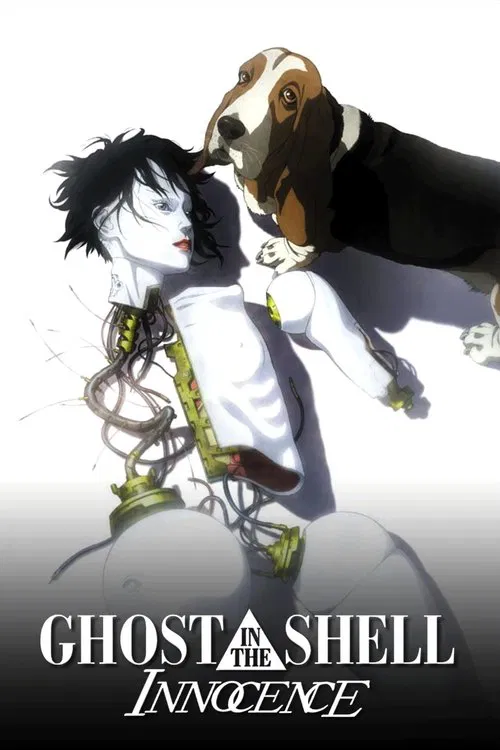
Mamoru Oshii directed Ghost in the Shell, released in 1995. CineCode also covers Ghost in the Shell 2: Innocence (2004).
What films are similar to Ghost in the Shell?
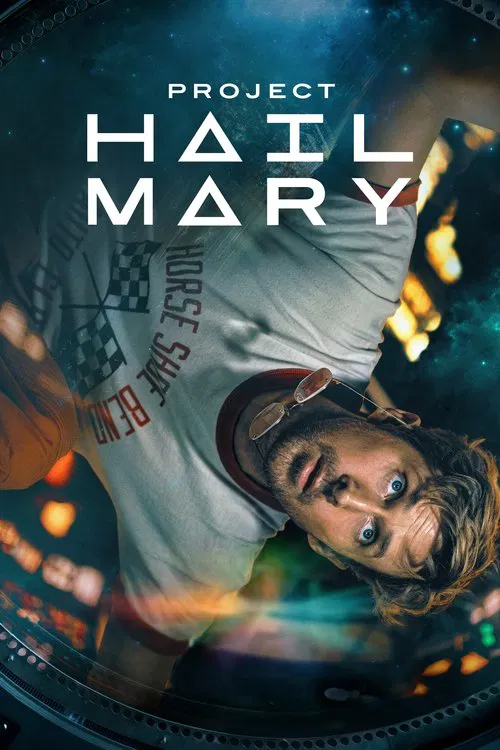
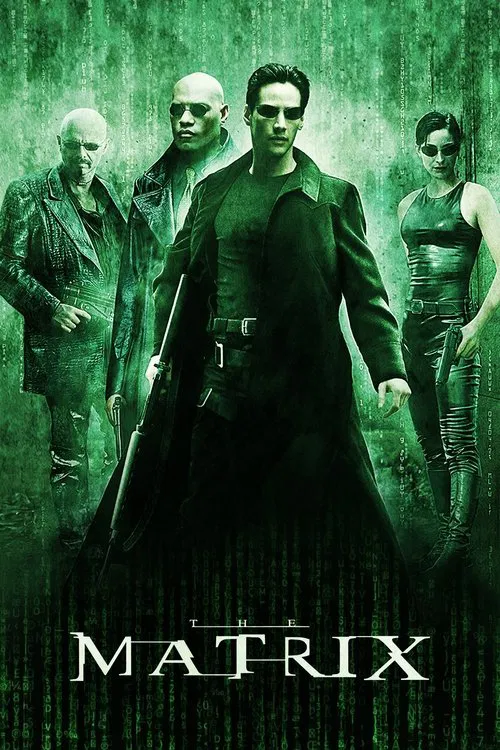
Films that share techniques with Ghost in the Shell include Paprika (2006), Ghost in the Shell 2: Innocence (2004), Project Hail Mary (2026), The Matrix (1999).