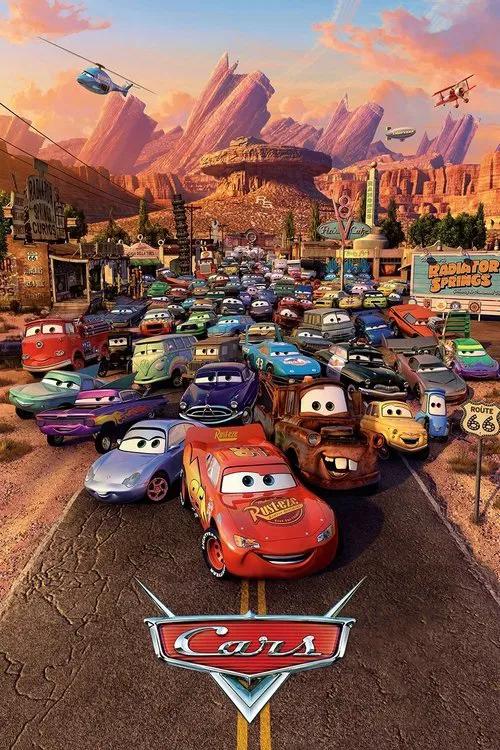
Hotshot race car Lightning McQueen gets stranded in Radiator Springs, a forgotten town on old Route 66, and is forced to fix the road he wrecked. Watch how Pixar gives cars faces and personalities, and how the shiny paint reflects the world around them.
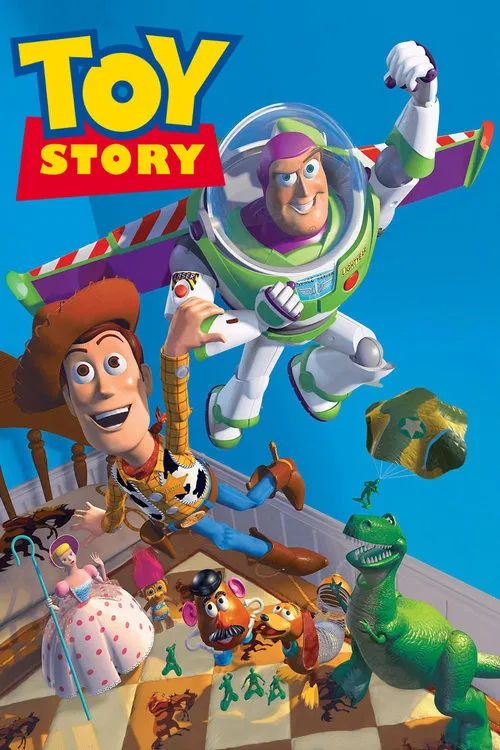
Cars is a 2006 animation, comedy and family film directed by John Lasseter. This breakdown covers 5 techniques (1 psychology, 1 narrative, 2 cinematography and 1 sound), each with the scene where you can see it. If you like how it is made, Toy Story uses several of the same techniques.
Centering a character's fear of being unimportant, replaced or left behind. Their pursuit of rank, success or recognition shows how fragile their self-worth is.
How this film uses it
McQueen thinks winning is everything. He has no friends, ignores his pit crew and only cares about the big sponsor. The film shows how little he has once the cheering stops.
Where to see it
The opening race: McQueen refuses to change his tires and wrecks his lead. The race ends in a 3-way tie, and he is desperate to get to the tiebreaker.
Dropping a character into a world whose social rules they don't understand. The comedy, and some insight too, comes from the constant mismatch between them and everyone around them.
How this film uses it
A cocky racer is dropped into a sleepy desert town with slow rules and odd neighbors. He has to learn to work, to wait and to listen, and the laughs come from how badly he fits.
Where to see it
The road repair: the town's judge sentences McQueen to repave the road he tore up. He rushes it and the result is a mess that he has to redo.
Treating a small town as more than a setting. Its buildings, lighting and relationships show the community's values and limits, which shape what the characters can do and what gets destroyed.
How this film uses it
Radiator Springs, once busy, was left behind when the highway moved. The faded neon and empty shops show what a place loses when the world rushes by, and you see what McQueen is missing.
Where to see it
Sally's story: Sally explains to McQueen how the new highway bypassed the town, and the film shows the street as it was when it was busy.
Making images entirely by computer and tuning the surfaces, lighting and focus to look like live-action photography. At its best, you can't tell what was filmed and what was rendered.
How this film uses it
The cars have glossy paint, chrome and windshields that reflect the sky and the desert. The detail makes them feel like real machines you could touch, even with cartoon eyes.
Where to see it
The final race: sunlight and the crowd glide over the cars' paint and glass as they speed around the track.
Questions
Cars: quick answers
What filmmaking techniques does Cars use?
CineCode breaks down 5 techniques in Cars (2006): Status and Self-Worth Anxiety, Fish-Out-of-Water Comedy, Small Town as Moral Geography, Original Songs as Narrative and Photorealistic CGI Pioneering.
Who directed Cars?
John Lasseter directed Cars, released in 2006. CineCode also covers Toy Story (1995).
What films are similar to Cars?
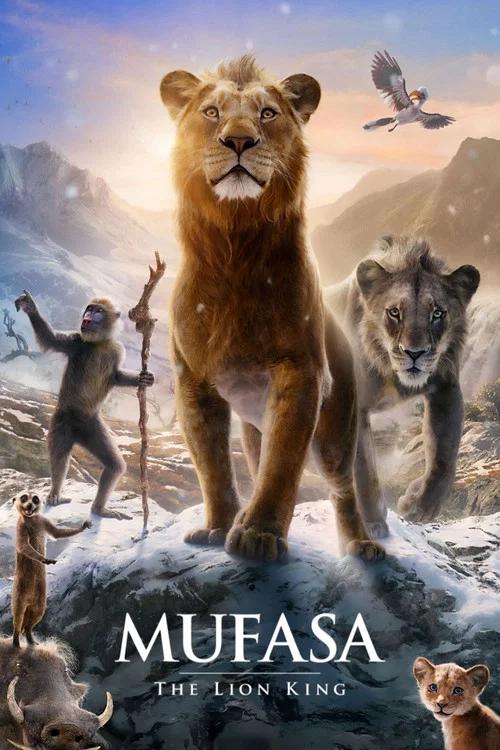
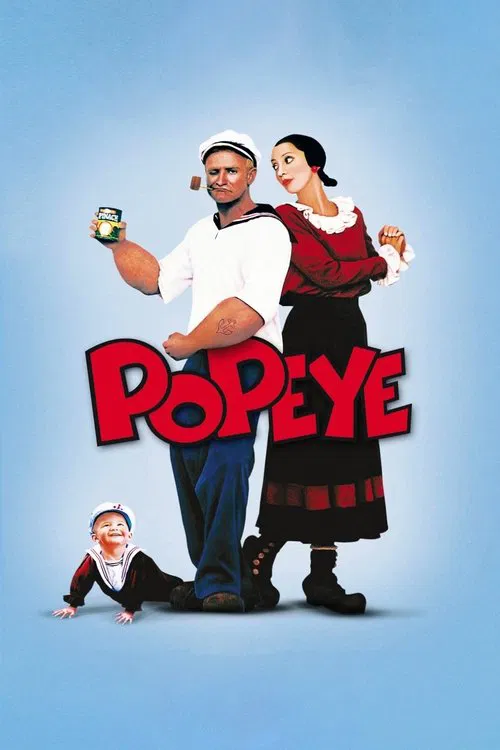
Films that share techniques with Cars include Toy Story (1995), Small Time Crooks (2000), Mufasa: The Lion King (2024), Popeye (1980).