Adventure · Drama

Life of Pi

Ang Lee, 2012

A young Indian man survives a shipwreck and 227 days adrift in the Pacific on a lifeboat with a Bengal tiger named Richard Parker. Or he didn't, depending on which version of the story you choose to believe. Ang Lee's film is a fable about the stories we make up to get through our own suffering.

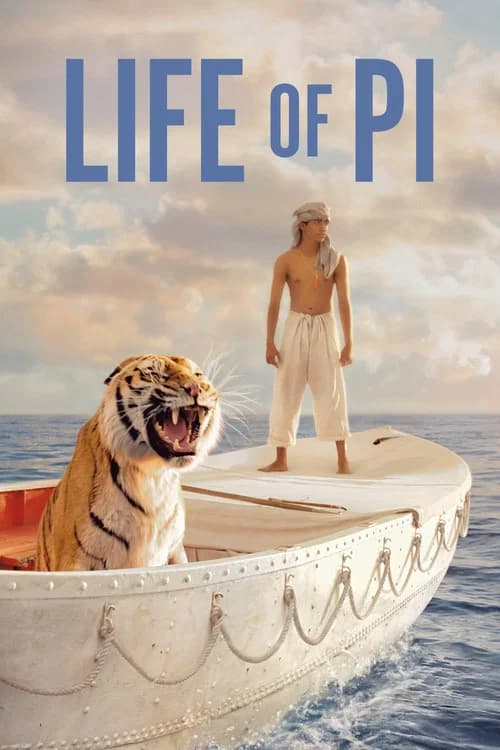
Life of Pi (2012) poster

At a glance

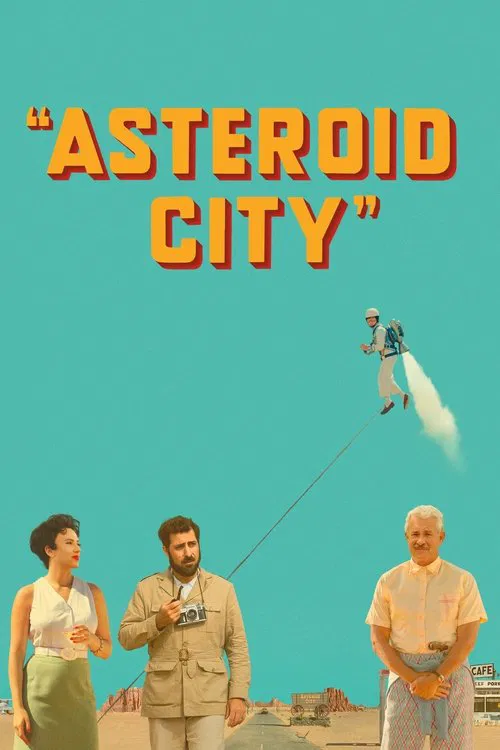
Life of Pi is a 2012 adventure and drama film directed by Ang Lee. This breakdown covers 4 techniques (2 narrative and 2 cinematography), each with the scene where you can see it. If you like how it is made, Asteroid City uses several of the same techniques.

Narrative

Double Narrative Layer

Running 2 layers at once: the story and a commentary on how that story is being told, such as its own broadcast. The layers comment on each other and make you complicit in the watching.

How this film uses it

The film gives you 2 versions of the same survival story, one with a tiger and one with only humans. Then it asks which story you prefer. Your choice between them is the last and most important thing that happens in the film.

Where to see it

The Japanese insurance agents being offered the alternative story, which is the brutal human version. The film holds on them as they decide which story to write in their report.
Narrative

Elderly Frame Narrative

Framing the story as an old person's memory of events from decades ago. You know from the start how things ended, so even the happy memories carry some grief.

How this film uses it

The adult Pi tells the story of the shipwreck and his survival at sea to a writer in the present. Because he is looking back, the fantastical ocean sequences feel like memory. In the gap between the older narrator and the young hero, you sense what surviving cost him.

Where to see it

Adult Pi watching the writer's face as he decides which version of the story to believe. It is the final scene of the present-day framing story, and you are making the same decision as the writer.

Cinematography

Photorealistic CGI Pioneering

Making images entirely by computer and tuning the surfaces, lighting and focus to look like live-action photography. At its best, you can't tell what was filmed and what was rendered.

How this film uses it

Richard Parker is almost entirely CGI, meaning computer-generated imagery. What impresses is how specific the tiger's behavior, weight, fur and breath are. In any scene that matters, you forget to ask whether it is real.

Where to see it

Richard Parker jumping into the sea to hunt fish and swimming back toward the lifeboat. The CGI water and the CGI tiger are blended with the live-action Suraj Sharma so realistically that you believe in the bond between boy and tiger.

Cinematography

Color Palette as Worldbuilding

Limiting the film to a tightly chosen set of colors, or giving each place or state its own set. The colors tell you about the world and its mood without dialogue.

How this film uses it

Claudio Miranda shoots ocean sequences full of bioluminescence, which is light made by living creatures. At night, the Pacific turns into a mirror, lit from below by glowing animals. The survival story ends up looking like something between a documentary and a myth. The ocean feels alive, with a light of its own.

Where to see it

The bioluminescent whale surfacing at night. The Pacific becomes a mirror of light. The tiger and the boy witness something that no survival documentary has ever photographed.

Questions

Life of Pi: quick answers

What filmmaking techniques does Life of Pi use?
CineCode breaks down 4 techniques in Life of Pi (2012): Double Narrative Layer, Elderly Frame Narrative, Photorealistic CGI Pioneering and Color Palette as Worldbuilding.
Who directed Life of Pi?
Ang Lee directed Life of Pi, released in 2012. CineCode also covers Sense and Sensibility (1995), The Ice Storm (1997), Crouching Tiger, Hidden Dragon (2000), Hulk (2003), Brokeback Mountain (2005), Lust, Caution (2007).
What films are similar to Life of Pi?
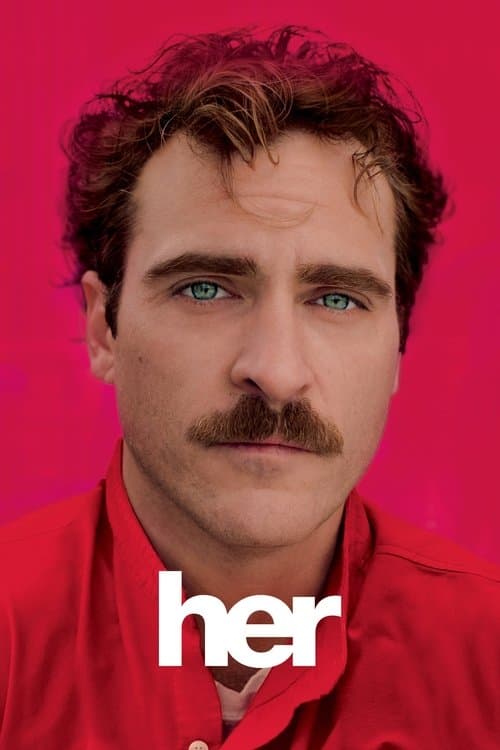
Films that share techniques with Life of Pi include Asteroid City (2023), Her (2013), The Green Mile (1999), Toy Story (1995).