Narrative technique · used in 9 films

The Bomb Under the Table

Showing the audience a danger the characters can't see, like a bomb under a table. An ordinary conversation becomes unbearable suspense, where an unannounced blast would only be a surprise.

Examples

9 films that use it

  1. Notorious (1946) poster

    Notorious

    Alfred Hitchcock · 1946

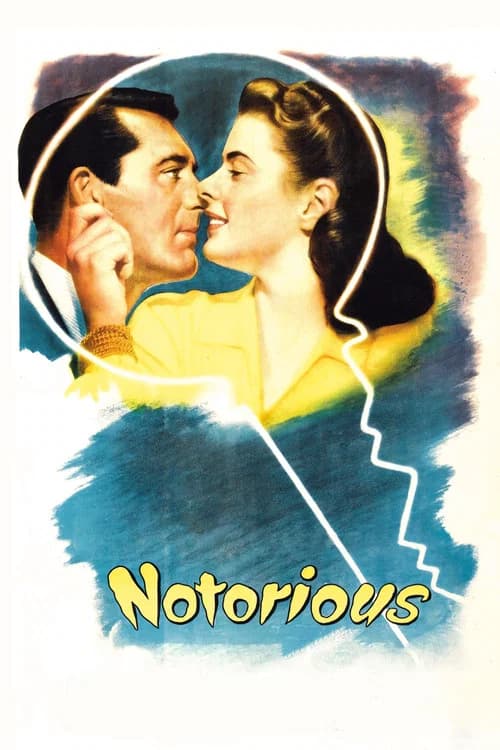
    You know Alicia is working for American intelligence, and Sebastian doesn't. That gap puts tension into every intimate scene between them (the courtship, the marriage, the domestic life). This is dramatic irony, where the audience knows more than a character does. When Sebastian finally learns the truth, the irony shifts. Now both you and Sebastian know, but Devlin doesn't know how much danger Alicia is in.

    Where to see it: Sebastian's discovery of Alicia's true role. The dramatic irony flips. What you knew was your advantage, and now it is what puts Alicia in danger.
  2. Rope (1948) poster

    Rope

    Alfred Hitchcock · 1948

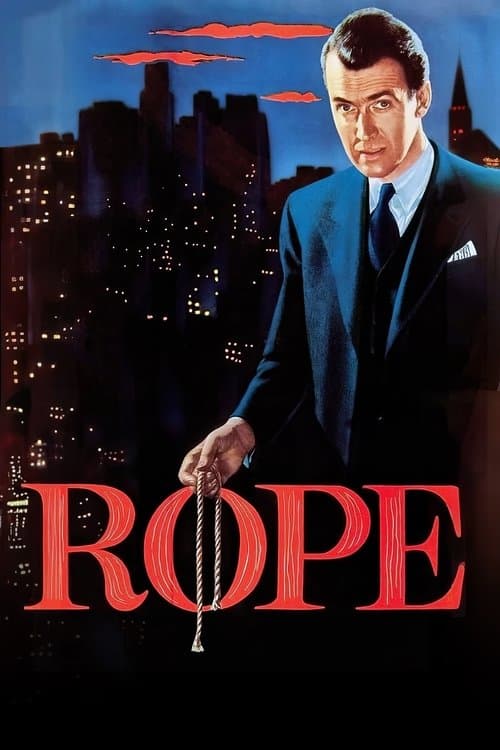
    You know about the body from the film's first minute. Every scene after that (the dinner, the conversation, the books stacked on the chest) is loaded with something the guests don't know. When the audience knows more than the characters, it is called dramatic irony, and Hitchcock makes it total. You know everything and they know nothing. Since the film runs in real time, you have to sit with that knowledge and get no break from it.

    Where to see it: The chest being used as a buffet table. Books and candles get stacked on David's coffin. The party casually uses the hiding place as furniture, and this is the dramatic irony at its most extreme.

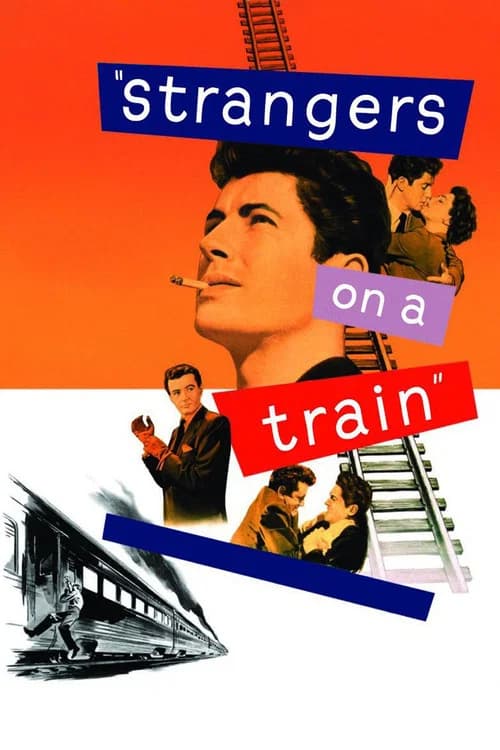
  3. Strangers on a Train (1951) poster

    Strangers on a Train

    Alfred Hitchcock · 1951

    You watch Bruno follow Guy's wife Miriam to the fairground knowing exactly what he intends. The carousel and the strangulation shown in a reflection are all suspense that comes from knowing in advance. It runs for minutes.

    Where to see it: Bruno following Miriam through the amusement park. You know what he plans to do. You watch helplessly as the evening heads toward the only way it can end.

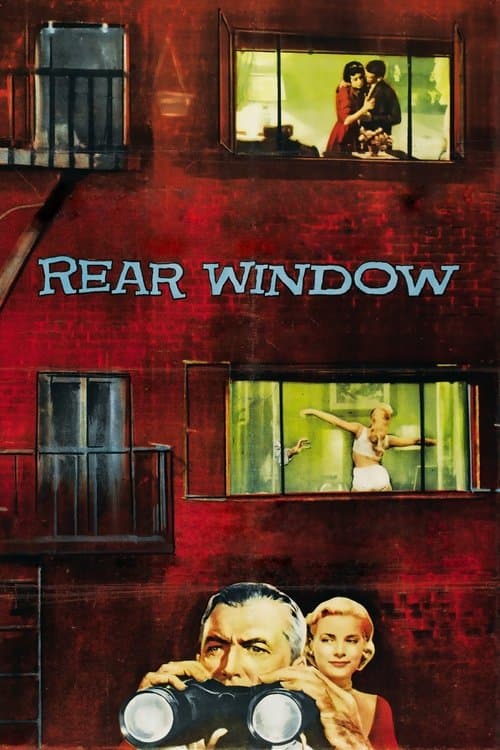
  4. Rear Window (1954) poster

    Rear Window

    Alfred Hitchcock · 1954

    Once you know Thorwald is a murderer, every later scene with Lisa and Thorwald becomes unbearable, especially when she goes into his apartment. You have the information and Lisa does not. That gap in knowledge is where Hitchcock's kind of suspense comes from.

    Where to see it: Lisa inside Thorwald's apartment. Jeff watches helplessly as Thorwald returns home.

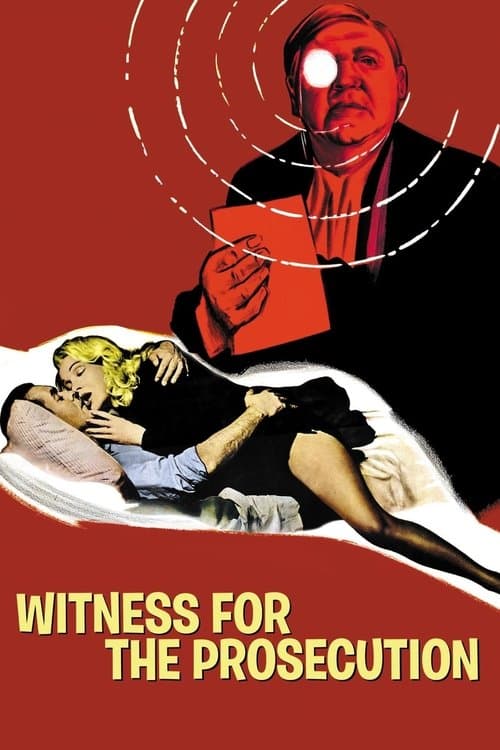
  5. Witness for the Prosecution (1957) poster

    Witness for the Prosecution

    Billy Wilder · 1957

    Wilder keeps Christine's scheme from you as completely as he keeps it from Sir Wilfrid. You find out she wrote the letters only when he does, at the very end. What you do know is how badly the case is going, so every exchange in court feels like a fuse burning down. The twist works because you were kept in the same position as the barrister.

    Where to see it: Sir Wilfrid meeting the Cockney woman who sells him the letters. You are as sure as he is that they will save Leonard, and you are led just as completely.

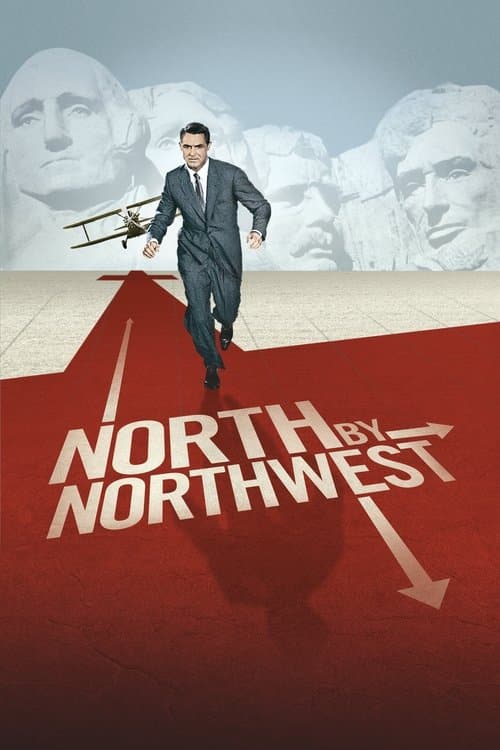
  6. North by Northwest (1959) poster

    North by Northwest

    Alfred Hitchcock · 1959

    You know Eve is working for Vandamm before Thornhill does. Every close scene between them (her help on the train, her directions to the cornfield) is weighed down by what you know and he doesn't. Hitchcock uses that extra knowledge 2 ways. Scenes that look safe feel dangerous, and scenes that look dangerous feel personal.

    Where to see it: Eve giving Thornhill directions to meet Kaplan. You know she is sending him to his death, and that makes the warmth of the scene unbearable.

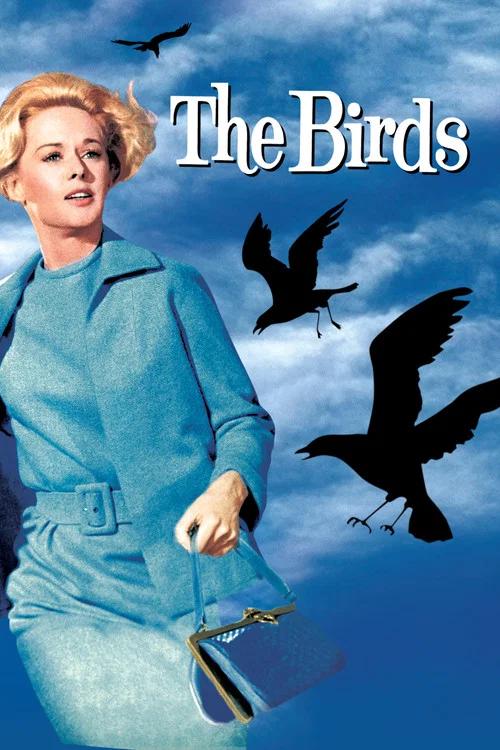
  7. The Birds (1963) poster

    The Birds

    Alfred Hitchcock · 1963

    Hitchcock lets you see the danger growing while Melanie has no idea. He keeps cutting back to the same spot, and each time there are more birds. The scene is quiet and almost dull on the surface, which is why it gets so tense.

    Where to see it: The schoolhouse jungle gym. Melanie sits on a bench outside the school smoking a cigarette while crows gather one by one on the climbing frame behind her. By the time she turns around, it is covered.

  8. Jaws (1975) poster

    Jaws

    Steven Spielberg · 1975

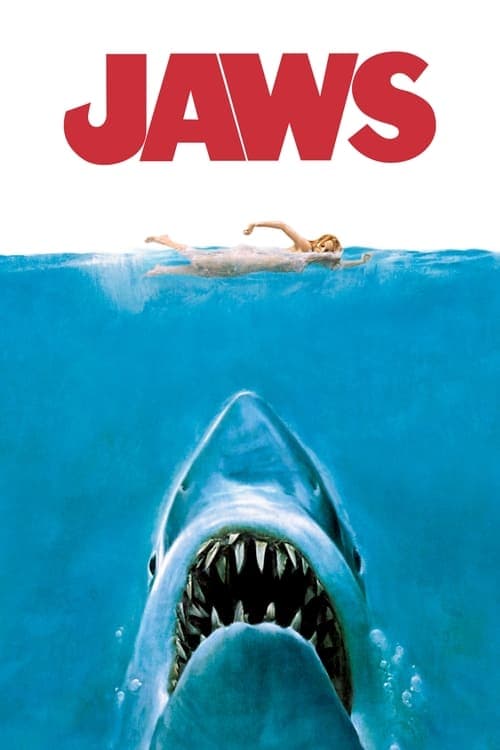
    Spielberg holds back full shots of the shark for most of the film. You know it is there, in the water and near the swimmers. That knowledge alone fills ordinary beach scenes with lasting dread.

    Where to see it: The beach sequence. You see the shark's fin coming while the people on shore have no idea. This is pretty much pure Hitchcock-style suspense.

  9. Prisoners (2013) poster

    Prisoners

    Denis Villeneuve · 2013

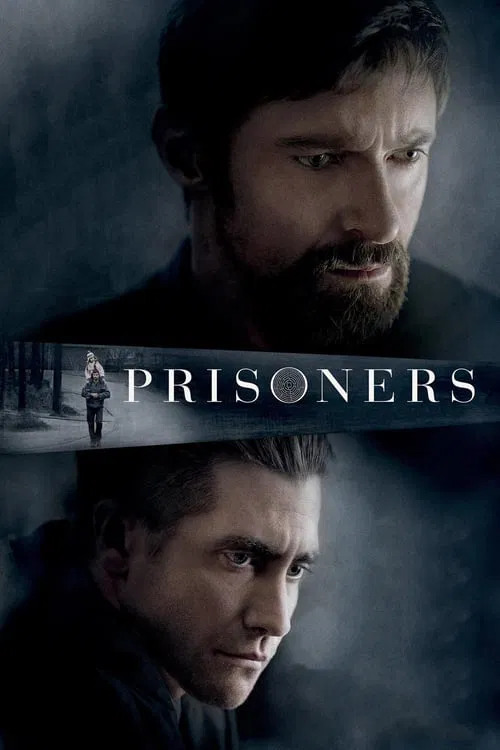
    You see Keller Dover's captive in the building long before Loki does. You know what Keller is doing, and you watch him deal with Detective Loki while Loki has no idea. That knowledge turns every scene between them into a test of how long this can go on before the truth comes out. It's Hitchcock's purest dramatic tool, used here in a modern thriller.

    Where to see it: Keller speaking with Loki while the captive stays in his improvised prison. You're holding information the detective can't get to.

Questions

Quick answers

What is the bomb under the table in film?
Showing the audience a danger the characters can't see, like a bomb under a table. An ordinary conversation becomes unbearable suspense, where an unannounced blast would only be a surprise.
Which films use the bomb under the table?
Notorious (1946), Rope (1948), Strangers on a Train (1951), Rear Window (1954), Witness for the Prosecution (1957), North by Northwest (1959) and 3 more films in the CineCode library.
What kind of technique is the bomb under the table?
It is a narrative technique. Related narrative techniques include Ticking Clock Structure, Slow Burn Horror Pacing, Romantic Triangle Geometry.