The dolly zoom
A dolly zoom moves the camera one way while the lens zooms the other. Pull the camera back while zooming in, and the subject stays the same size while the background stretches behind them. It looks wrong in a way that's hard to describe, which is why it tends to show up at moments of shock.
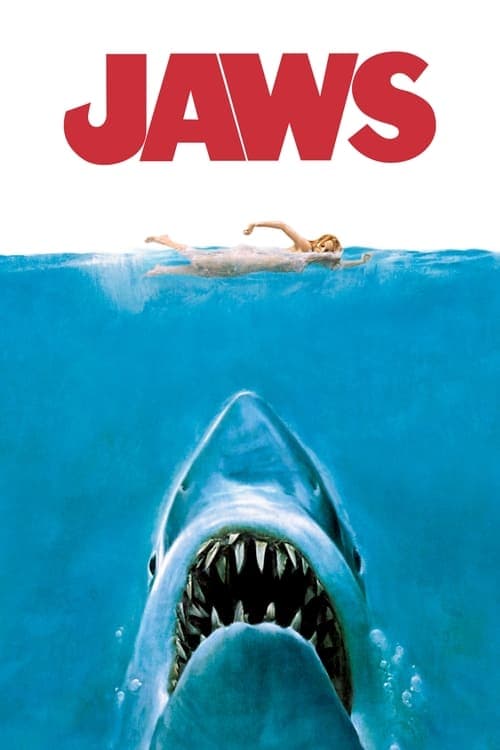
Jaws (1975) has the famous one. Brody is sitting on the beach when a swimmer is attacked, and the world behind him lurches as the dolly zoom hits. It was the first time the shot showed up in a blockbuster, so this is where mainstream audiences met it.
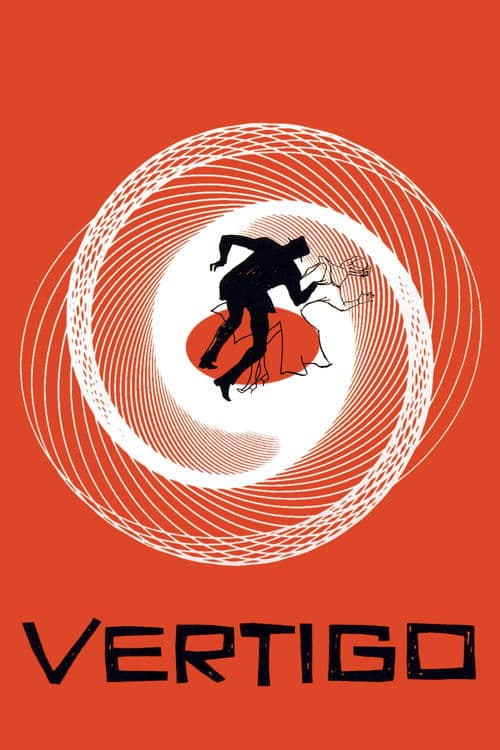
The move was devised for Vertigo (1958). Paramount cameraman Irmin Roberts worked it out at Hitchcock's request to show Scottie's fear of heights. When Scottie looks down the bell tower stairwell, the walls seem to pull away while the floor rushes up.
The Kubrick zoom
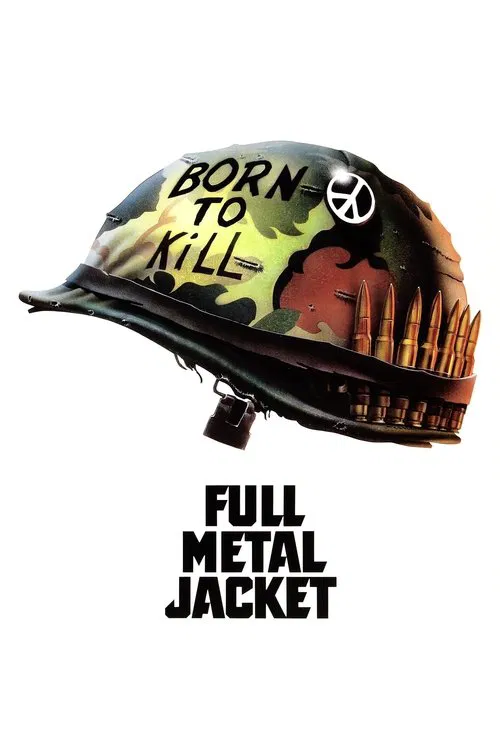
A Kubrick zoom is a slow, steady zoom into a face or object that keeps going longer than feels comfortable. The camera itself doesn't travel. The lens just keeps closing in. Full Metal Jacket (1987) uses it to pick out faces for you to study, like Joker reacting to violence and the sniper near the end. The one to watch is Pyle's breakdown in the head, where the zoom creeps into his face as the scene gets closer to violence.
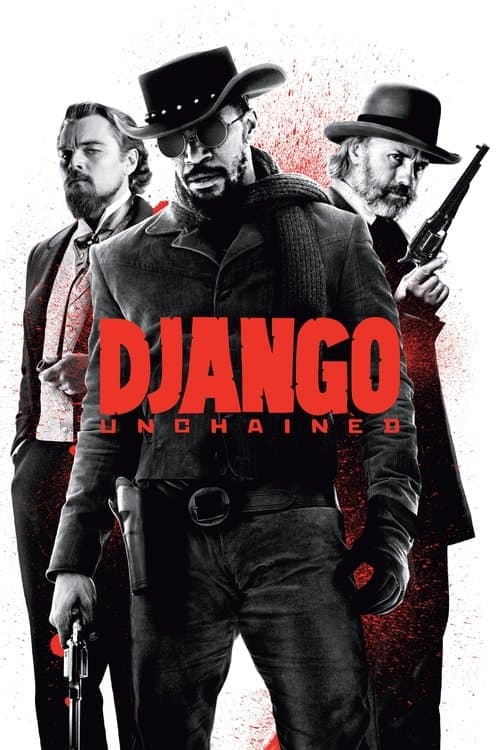
Django Unchained (2012) uses the zoom as a quote. The slow zooms into faces during standoffs come from Sergio Leone's Westerns. When Django first appears as a free man on horseback, the zoom tells you straight away what kind of film you're watching.
Tracking and crane shots, briefly
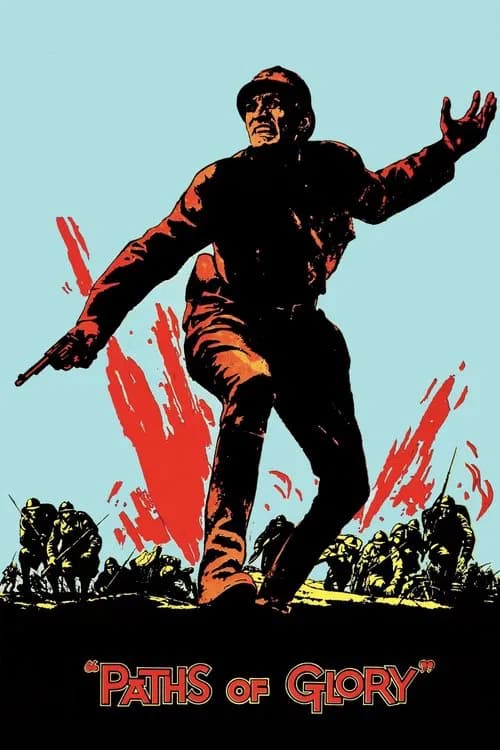
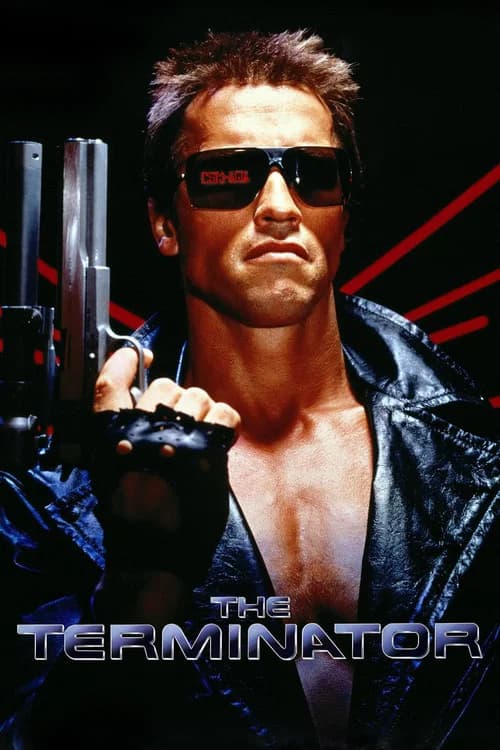
A tracking shot moves the camera along with its subject. Paths of Glory (1957) uses it to make horror look routine. When Colonel Dax walks the length of the trench before the attack, the camera keeps a steady walking pace and doesn't react to anything it passes. The Terminator (1984) films its machine with the same steadiness. During the police station attack, the camera moves room by room with the Terminator's even pace.
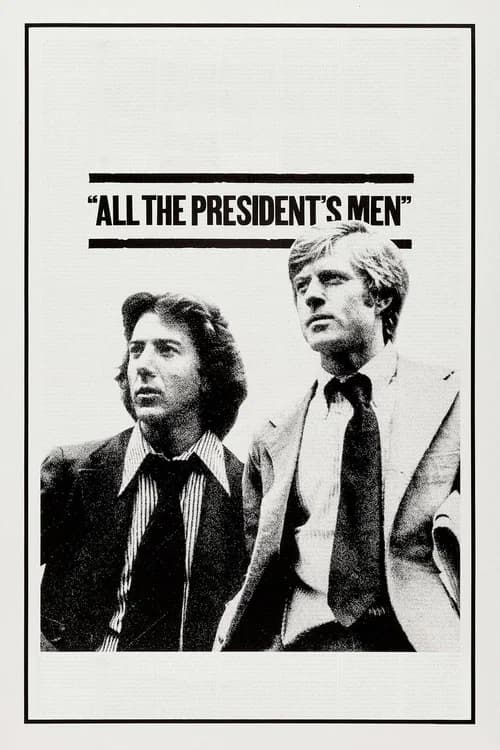
A crane lifts the camera up and away from the action. All the President's Men (1976) has my favorite example on CineCode. In the Library of Congress, the camera rises impossibly high above Woodward at a tiny desk, surrounded by rings of marble and shadow. You see how alone the reporters are against an institution that big.
The Snorricam
A Snorricam straps the camera to the actor's body, pointed back at their face. The actor stays locked in the middle of the frame while the world swings around behind them. The rig is named after the Snorri Bros, the Icelandic filmmakers who built it in the 1990s.
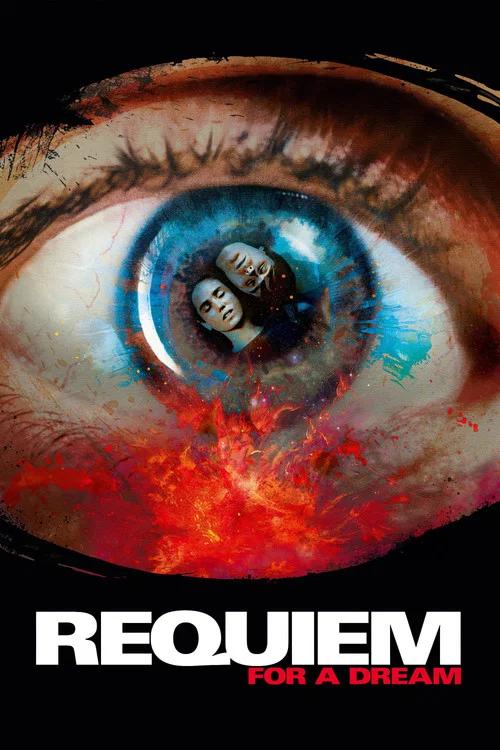
Requiem for a Dream (2000) uses it on Sara as she walks to the television audition on diet pills. Her face holds still and the street warps around her. I feel like it's the most direct way a camera can show you someone's mind slipping. Aronofsky also points low angles and slow zooms at Sara's refrigerator until it looks physically threatening.
Match cuts
A match cut is technically an edit, but people search for it right alongside camera moves. It joins 2 shots through a shared shape or movement. The most famous ones are covered in the editing guide, so here's one that gets less attention.
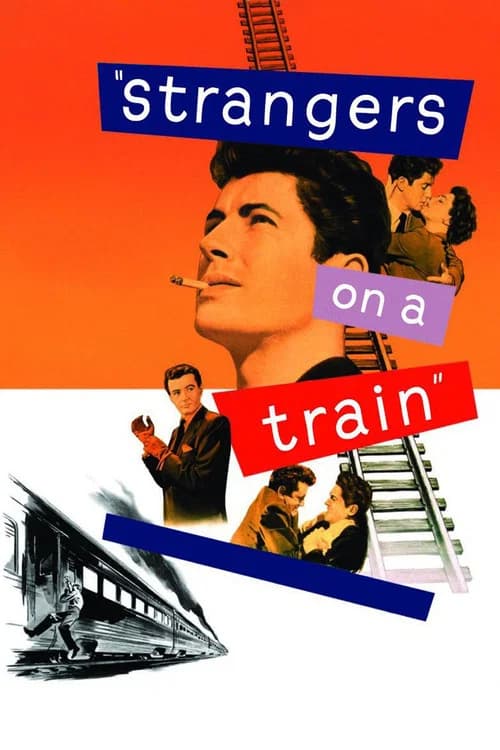
Strangers on a Train (1951) opens with one. 2 pairs of shoes walk to the train, cut so they mirror each other, before you see either man's face. Hitchcock uses that matching to suggest the 2 men are more connected than either admits. He keeps it up all film. In the climax, he cuts Guy's rushed tennis match against Bruno reaching for a lighter down a storm drain.
Freeze frames
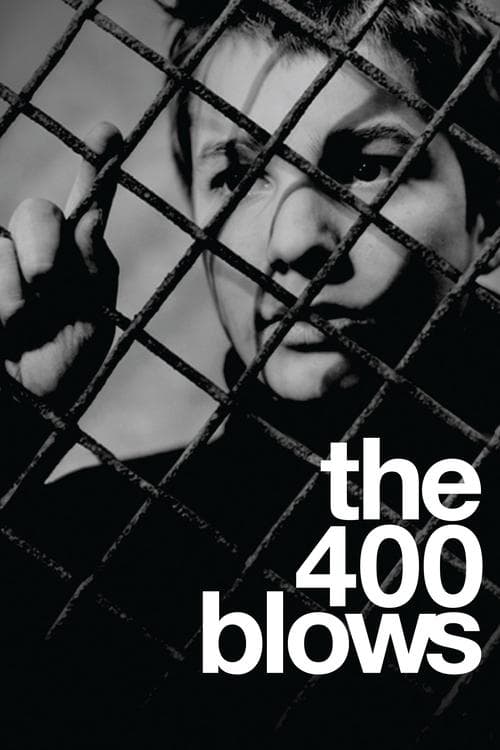
A freeze frame stops the picture on a single still image, and it works a bit like punctuation. The 400 Blows (1959) ends on the most famous one. Antoine has escaped the reform school and reached the sea. He turns toward the camera at the waterline, and the image freezes on his face. He looks neither happy nor beaten, and the film won't show you what comes next.
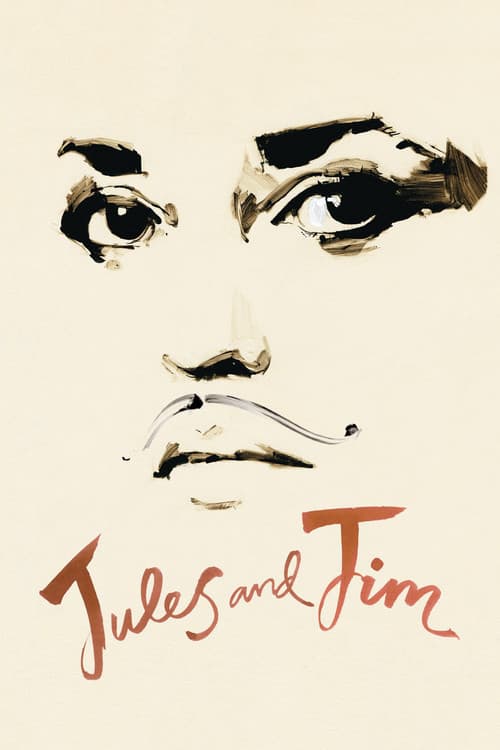
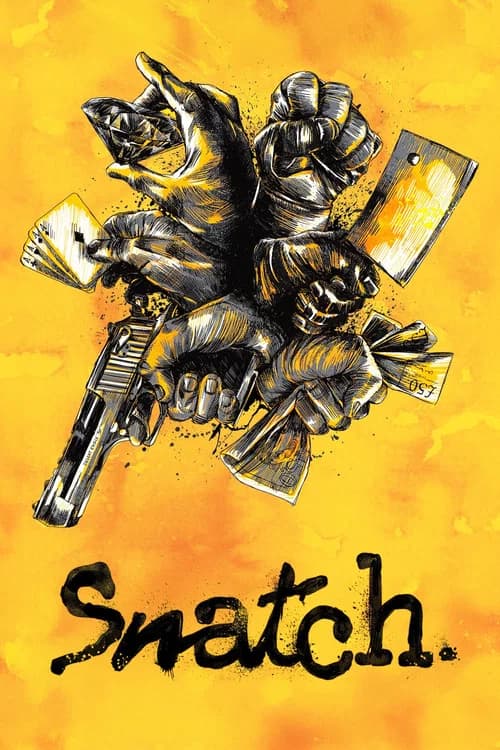
Truffaut used it again in Jules and Jim (1962), freezing on Catherine's face the moment she's introduced, before she's said a word. Snatch (2000) plays it for comedy. Each criminal gets a freeze and a name on screen ('Turkish', 'Bullet Tooth Tony', 'Boris the Blade'), like a cast list for a farce.
How to use this when you watch
When a shot makes you uneasy and you can't say why, watch the background and the edges of the frame. If the background stretches or squeezes, it's probably a dolly zoom. If the frame keeps creeping toward a face without a cut, it's a slow zoom. Once you can name the move, rewatch the scene and ask what it would feel like with the camera standing still.
More guides
- Film Noir Lighting Explained: 8 Films That Nail It
- How Directors Build Suspense: 8 Films That Show You How
- Unreliable Narrator Movies Explained: 9 Films That Fool You
- Non-Linear Movies Explained: 8 Films Told Out of Order
- Long Takes and Oners Explained: 9 Famous One-Shot Scenes
- How Color Tells the Story: 9 Films With Meaningful Palettes