Cinematography technique · used in 3 films

Expressive Light Design

Lighting an object or using patterns of light so it carries meaning on its own. A plain item or beam can feel dangerous or speak like a language.

Examples

3 films that use it

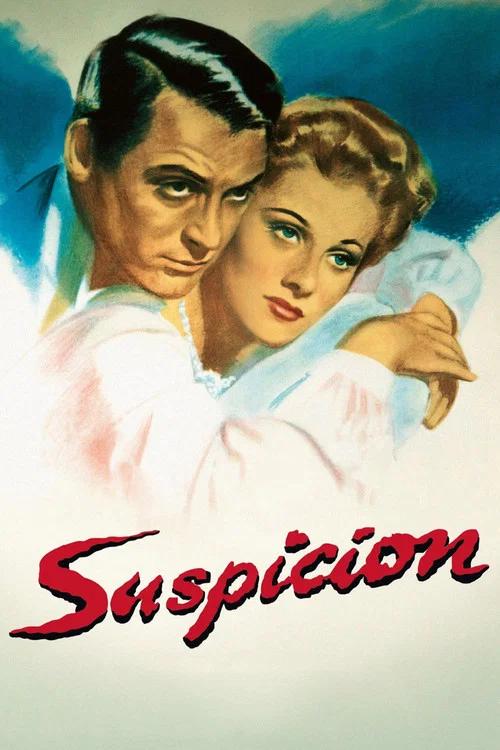
  1. Suspicion (1941) poster

    Suspicion

    Alfred Hitchcock · 1941

    The glass of milk Johnnie carries upstairs seems to glow. The filmmakers put a light bulb in it, so the camera singles it out like a weapon. You stare at a drink and expect the worst.

    Where to see it: The milk glass. Johnnie brings Lina a glass of milk before bed and she is too afraid to drink it. It sits untouched until morning.
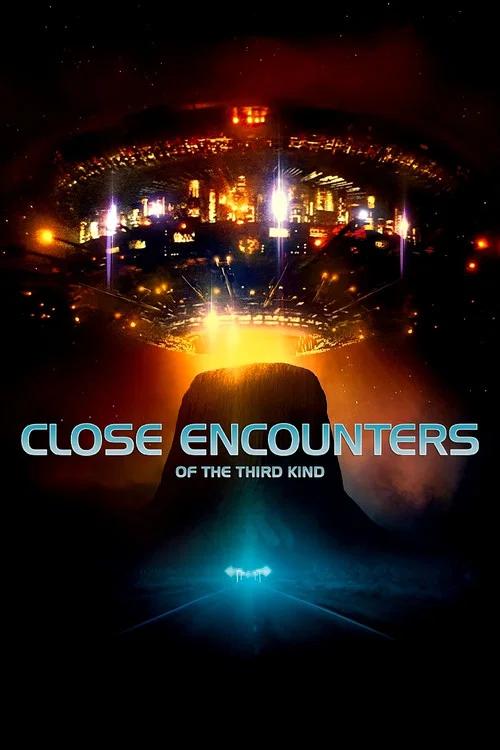
  2. Close Encounters of the Third Kind (1977) poster

    Close Encounters of the Third Kind

    Steven Spielberg · 1977

    Scientists try to talk to the UFOs with light and sound. The UFO's lights also burn Roy's face when it passes over his truck. Light is both the greeting and the danger, and neither side needs words.

    Where to see it: The landing scene. Scientists use lights and sound to talk to the ship, and a mothership lands and releases the people who were taken.

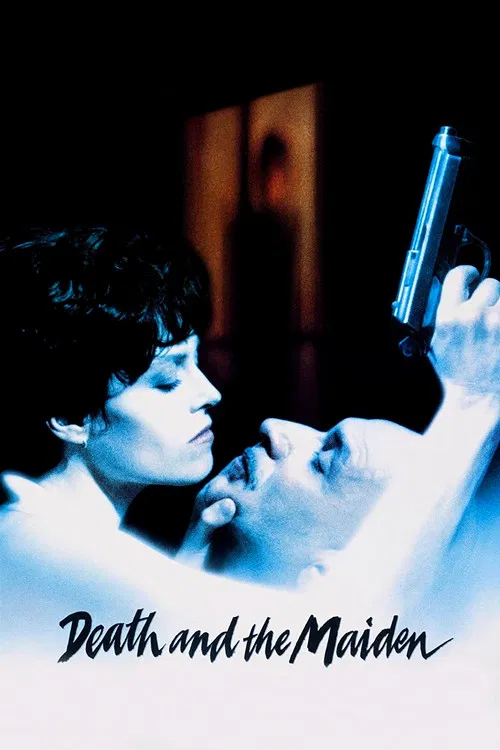
  3. Death and the Maiden (1994) poster

    Death and the Maiden

    Roman Polanski · 1994

    The storm cuts the power in the house, and Paulina takes Miranda captive. Later, he gets her gun and heads for the door. The power returns and Paulina hits him and regains control.

    Where to see it: The power returns: Miranda gets Paulina's gun and threatens her, but the power in the house turns on and Paulina hits him.

Questions

Quick answers

What is expressive light design in film?
Lighting an object or using patterns of light so it carries meaning on its own. A plain item or beam can feel dangerous or speak like a language.
Which films use expressive light design?
Suspicion (1941), Close Encounters of the Third Kind (1977), Death and the Maiden (1994).
What kind of technique is expressive light design?
It is a cinematography technique. Related cinematography techniques include Landscape as Sacred Geography.