Science Fiction · Drama

Close Encounters of the Third Kind

Steven Spielberg, 1977

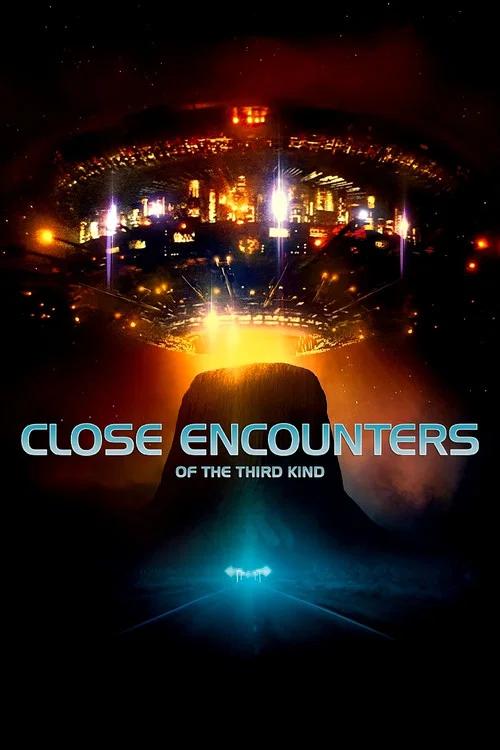
After a close encounter with a UFO, a power company lineman becomes obsessed with a mountain shape he keeps seeing in his mind. He and a single mother are pulled toward Devils Tower, where scientists try to talk to visitors from space. Watch how music and light work as language.

Close Encounters of the Third Kind (1977) poster

At a glance

Close Encounters of the Third Kind is a 1977 science fiction and drama film directed by Steven Spielberg. This breakdown covers 4 techniques (1 narrative, 1 sound and 2 cinematography), each with the scene where you can see it. If you like how it is made, Aguirre, the Wrath of God uses several of the same techniques.

Narrative

Obsession as Structural Engine

Building the whole plot on one character's fixation with a person, goal or rival. Every scene ties back to it, and the obsession keeps feeding itself while it destroys them.

How this film uses it

Roy Neary sees a mountain shape in his head and starts building models of it. His family and neighbors turn away from him. Every scene ties back to his fixation, and it keeps costing him more.

Where to see it

Roy's home scenes after the UFO encounter. He keeps modeling the shape that is stuck in his mind while the people around him pull back.

Sound

Music as Social Bridge

Using music as the way 2 characters get to know each other. Sharing or arguing over songs stands in for working out identity, respect and desire across a social gap.

How this film uses it

The UFOs sound a five-tone musical phrase. When scientists broadcast it to space, the reply is a series of numbers that turns out to be coordinates for Devils Tower. At the end, the scientists answer the aliens with their own notes. Music is how the two sides first talk.

Where to see it

The Devils Tower finale. Lacombe answers the aliens' five-note phrase with hand signs, and the alien answers back before the ship leaves.

Cinematography

Landscape as Sacred Geography

Photographing real landscapes like mountains, plains and rivers so they feel mythic and full of meaning. The land becomes a spiritual and moral test the characters have to cross.

How this film uses it

Devils Tower in Wyoming is a real mountain, and the film treats it like a holy place. Roy and Jillian feel its pull before they know where it is. The land becomes the destination for a kind of pilgrimage.

Where to see it

The approach to Devils Tower. Roy and Jillian reach the mountain after the Army has evacuated the area with a false story about a toxic spill.

Cinematography

Expressive Light Design

Lighting an object or using patterns of light so it carries meaning on its own. A plain item or beam can feel dangerous or speak like a language.

How this film uses it

Scientists try to talk to the UFOs with light and sound. The UFO's lights also burn Roy's face when it passes over his truck. Light is both the greeting and the danger, and neither side needs words.

Where to see it

The landing scene. Scientists use lights and sound to talk to the ship, and a mothership lands and releases the people who were taken.

Questions

Close Encounters of the Third Kind: quick answers

What filmmaking techniques does Close Encounters of the Third Kind use?
CineCode breaks down 4 techniques in Close Encounters of the Third Kind (1977): Obsession as Structural Engine, Music as Social Bridge, Landscape as Sacred Geography and Expressive Light Design.
Who directed Close Encounters of the Third Kind?
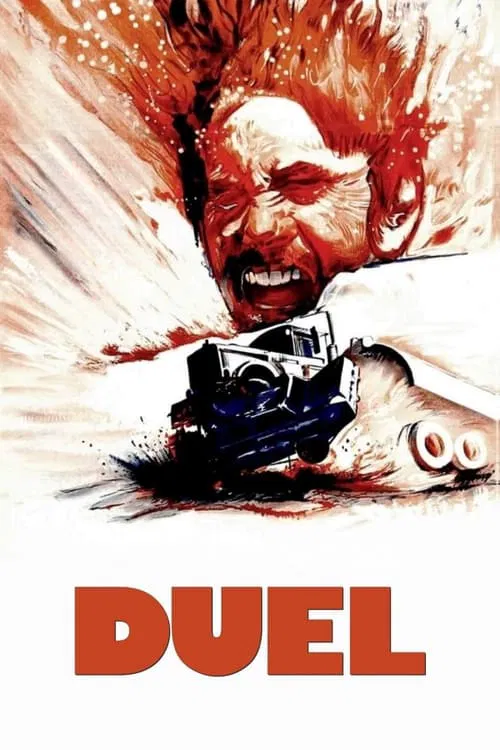
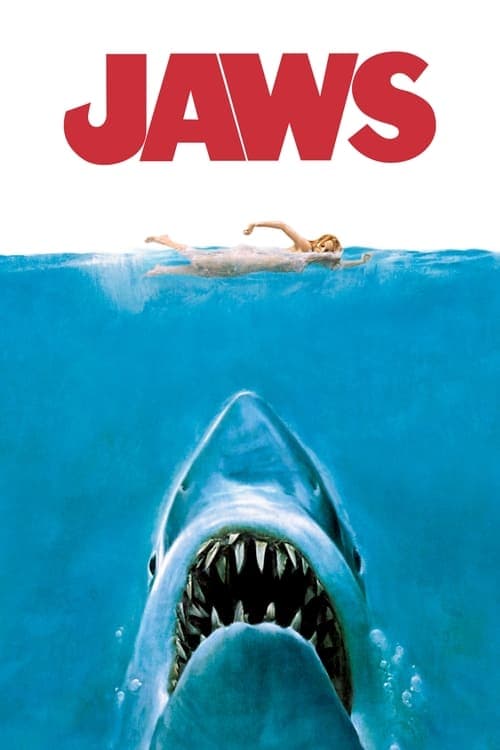
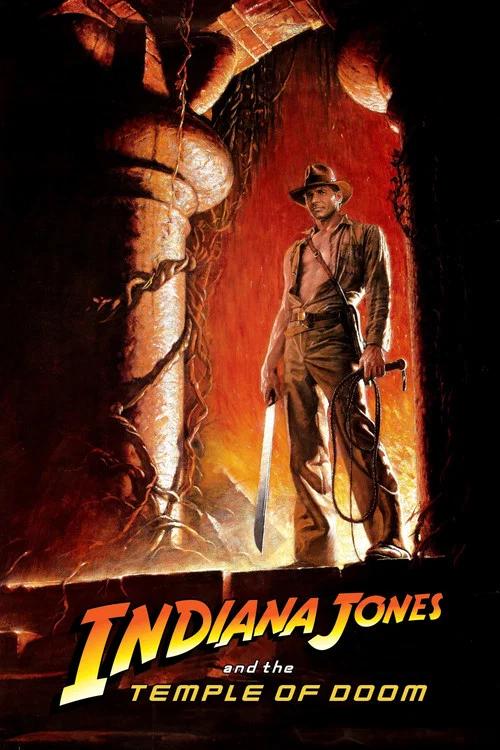
Steven Spielberg directed Close Encounters of the Third Kind, released in 1977. CineCode also covers Duel (1971), Jaws (1975), 1941 (1979), Raiders of the Lost Ark (1981), E.T. the Extra-Terrestrial (1982), Indiana Jones and the Temple of Doom (1984).
What films are similar to Close Encounters of the Third Kind?
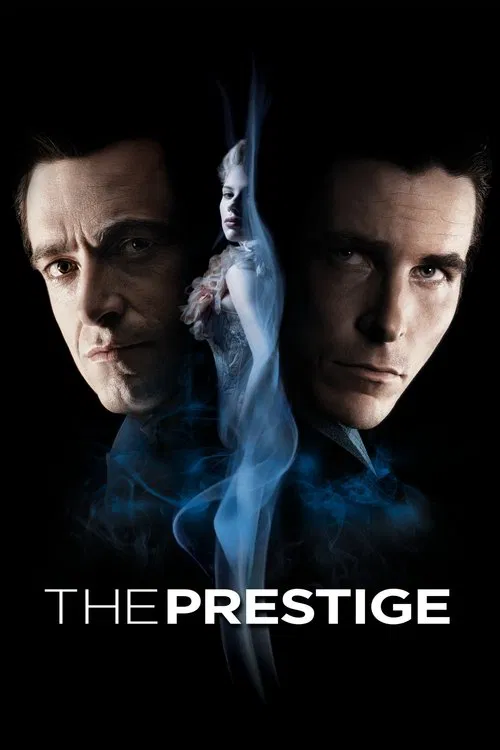
Films that share techniques with Close Encounters of the Third Kind include Aguirre, the Wrath of God (1972), The Lord of the Rings: The Return of the King (2003), The Prestige (2006), The Intouchables (2011).