Drama · Thriller · Mystery

Death and the Maiden

Roman Polanski, 1994

In an unnamed South American country after a dictatorship, Paulina becomes convinced that a stranger who gives her husband a ride is the doctor who tortured her years before. She ties him up and puts him on trial in her living room. Worth watching for a story that never settles who is telling the truth.

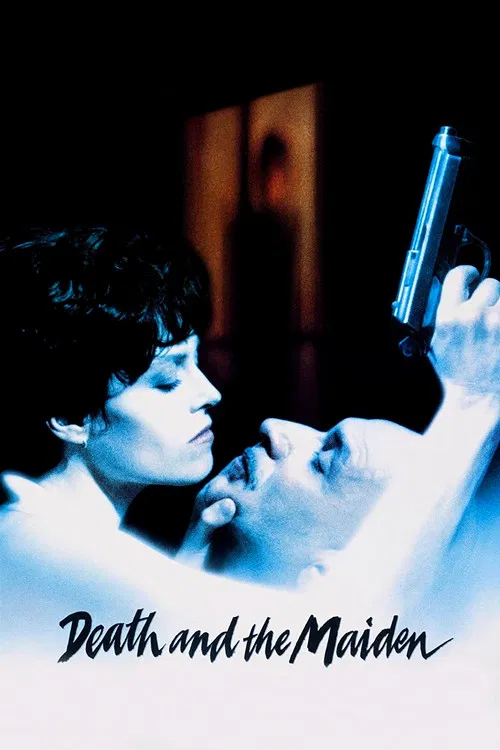
Death and the Maiden (1994) poster

At a glance

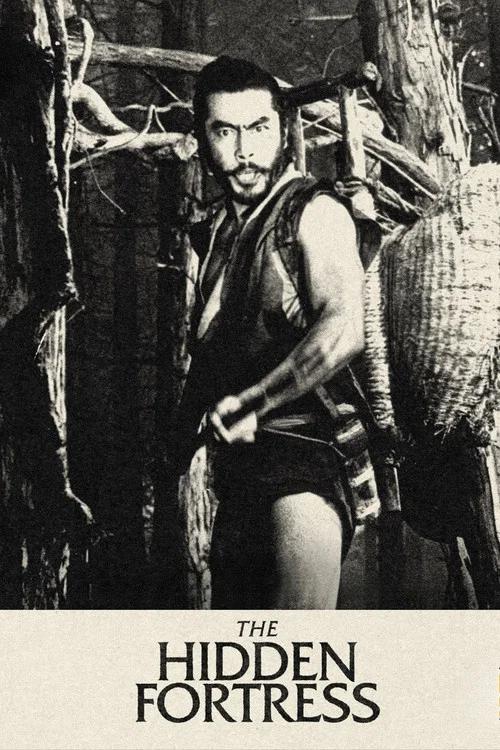
Death and the Maiden is a 1994 drama, thriller and mystery film directed by Roman Polanski. This breakdown covers 5 techniques (3 narrative, 1 sound and 1 cinematography), each with the scene where you can see it. If you like how it is made, The Hidden Fortress uses several of the same techniques.

Narrative

Ambiguous Antagonist

Writing an opponent the film never fully labels as evil. Their motives mix ordinary human wants with real harm, and they may even help the hero grow.

How this film uses it

You are never handed a clean answer about Dr. Miranda. Paulina is certain, while her husband and Miranda say she is wrong. She was blindfolded during her ordeal, so her certainty rests on memory alone. The film holds back the answer until Miranda finally confesses, so you doubt for most of the runtime.

Where to see it

Miranda's confession: After Paulina rejects his alibi, Miranda admits he was the doctor and says he enjoyed brutalizing her.
Narrative

Legal Theater

Staging a trial as a performance, with testimony and cross-examination played like theater. The rules can bring out the truth, or they can hide a verdict that was decided in advance.

How this film uses it

Paulina stages a trial at home and forces her husband Gerardo to act as Miranda's attorney. The talking is theater, with accusations, a false confession and the question of what counts as proof. The film suggests how easily a trial can be bent by the person running it.

Where to see it

The living room trial: Paulina makes Gerardo act as Miranda's attorney in a trial she arranges. Miranda and Gerardo write a false confession to calm her.

Narrative

Circular Narrative Frame

Wrapping the story in a frame that opens and closes the film, such as the same scene revisited or a question that finally gets answered. The return can make events feel inevitable.

How this film uses it

The film opens at a concert and returns to it at the end. Paulina and Gerardo sit there, and Miranda looks down from a balcony with his wife and sons. The echo asks you what has changed and whether justice happened.

Where to see it

The concert: In the last scene, Paulina and Gerardo are back at the concert from the opening. Miranda looks down at them and she glances at him.

Sound

Musical Memory Trigger

Repeating one piece of music until it is tied to a memory or feeling. Each time it returns, it brings back everything you and the characters have been through.

How this film uses it

Schubert's Death and the Maiden quartet is the film's central music, and a recording of it was played during Paulina's rape. Hearing it on screen carries that memory with it. The concert at the beginning and end gives the music one more echo.

Where to see it

The concert and the recording: A recording of Schubert's quartet is tied to Paulina's rape. The same music frames the film at the concert.

Cinematography

Expressive Light Design

Lighting an object or using patterns of light so it carries meaning on its own. A plain item or beam can feel dangerous or speak like a language.

How this film uses it

The storm cuts the power in the house, and Paulina takes Miranda captive. Later, he gets her gun and heads for the door. The power returns and Paulina hits him and regains control.

Where to see it

The power returns: Miranda gets Paulina's gun and threatens her, but the power in the house turns on and Paulina hits him.

Questions

Death and the Maiden: quick answers

What filmmaking techniques does Death and the Maiden use?
CineCode breaks down 5 techniques in Death and the Maiden (1994): Ambiguous Antagonist, Legal Theater, Circular Narrative Frame, Musical Memory Trigger and Expressive Light Design.
Who directed Death and the Maiden?
Roman Polanski directed Death and the Maiden, released in 1994. CineCode also covers Repulsion (1965), The Fearless Vampire Killers (1967), Rosemary's Baby (1968), Chinatown (1974), The Tenant (1976), Frantic (1988).
What films are similar to Death and the Maiden?
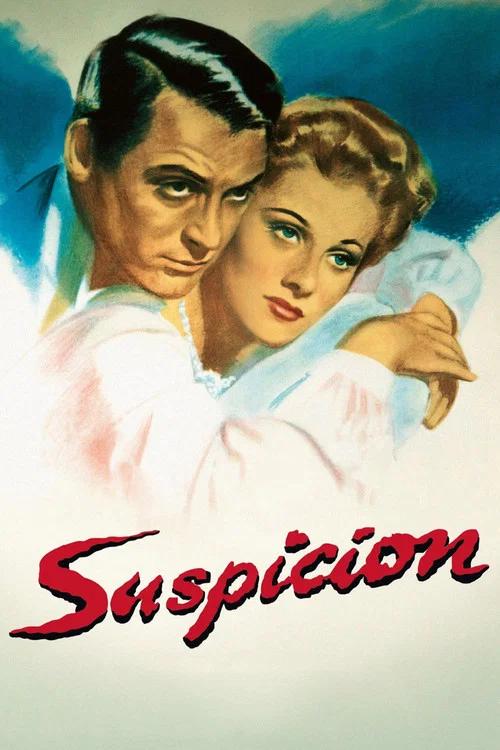
Films that share techniques with Death and the Maiden include The Hidden Fortress (1958), Suspicion (1941), Whiplash (2014), City of God (2002).