Editing technique · used in 11 films

Jump-Forward Epilogue

Jumping ahead years after the story has resolved to show what became of a character. The whole story before it then reads as a look back at what was right and wrong.

Examples

11 films that use it

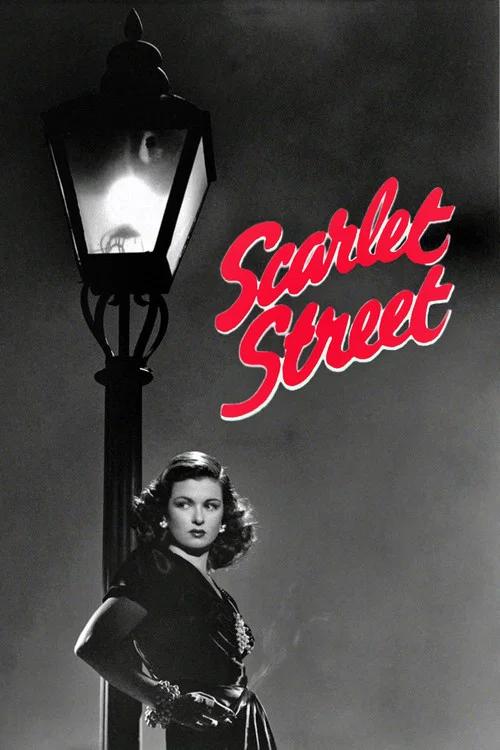
  1. Scarlet Street (1945) poster

    Scarlet Street

    Fritz Lang · 1945

    The story skips ahead 5 years to show where Chris ended up. The result is a bleak look back at everything he lost.

    Where to see it: The last scenes: 5 years later, Chris is destitute and mad, and watches his portrait of Kitty sell for $10,000.
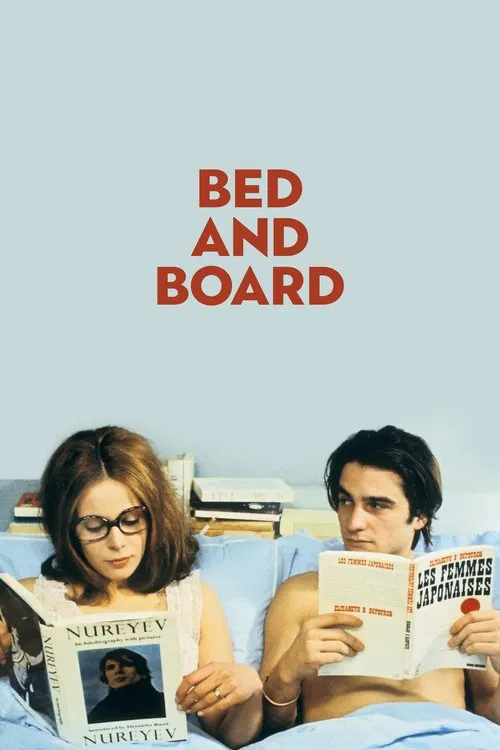
  2. Bed and Board (1970) poster

    Bed and Board

    François Truffaut · 1970

    The film jumps ahead a year after Christine and Antoine split. They are back together with their son Alphonse. Their neighbors believe they are finally in love, and you are left unsure if that is true.

    Where to see it: The final scene. Antoine and Christine live in their apartment, and an older couple next door believe they are truly in love.

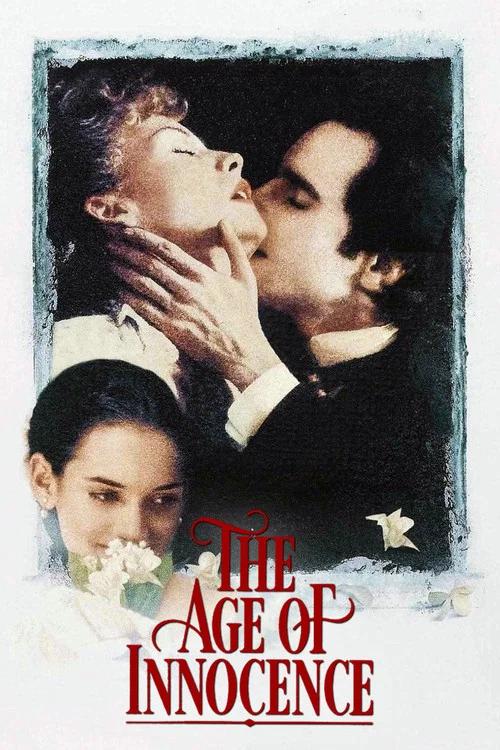
  3. The Age of Innocence (1993) poster

    The Age of Innocence

    Martin Scorsese · 1993

    The film jumps 25 years ahead. May has died and Archer's son takes him to Paris. Archer sends his son up to see Ellen and walks away. The whole story reads as a look back at a choice.

    Where to see it: The Paris ending: Archer does not go up to see Ellen, sends his son Ted instead and leaves.

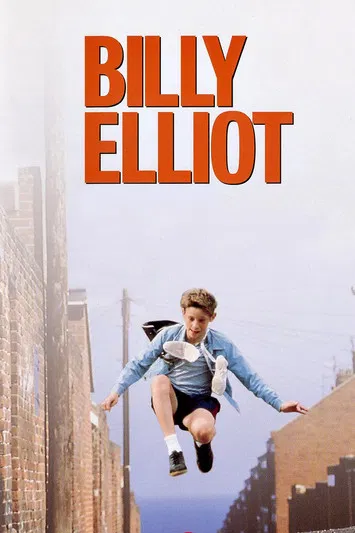
  4. Billy Elliot (2000) poster

    Billy Elliot

    Stephen Daldry · 2000

    After the strike ends and Billy leaves for London, the film jumps to 1998. He is now 25 and dances the Swan in Matthew Bourne's Swan Lake while his family watches. The leap shows you the cost and reward of his choice.

    Where to see it: 1998: Billy's father and brother watch him from the audience as he dances the Swan.

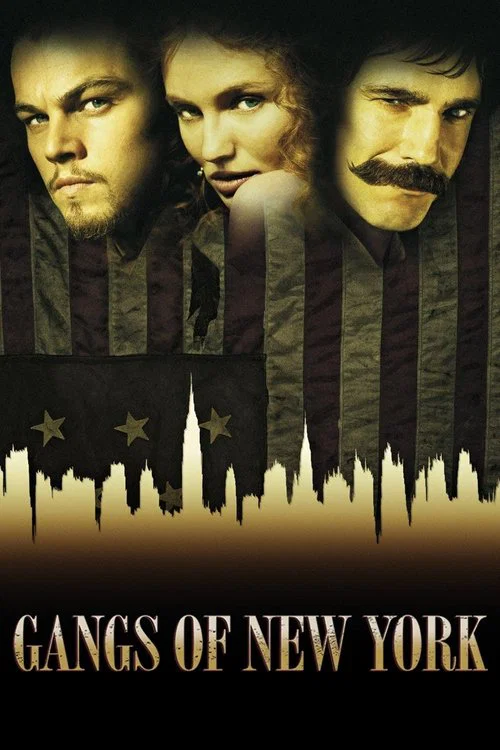
  5. Gangs of New York (2002) poster

    Gangs of New York

    Martin Scorsese · 2002

    After Amsterdam buries his father's knife, the camera stays on the Brooklyn cemetery while the New York skyline grows behind it. The graves end up overgrown and forgotten. You can read it as the film saying the city outlasted every grudge in it.

    Where to see it: The final shot. Amsterdam and Jenny walk away from the cemetery, and the view shifts through the following century of the city.

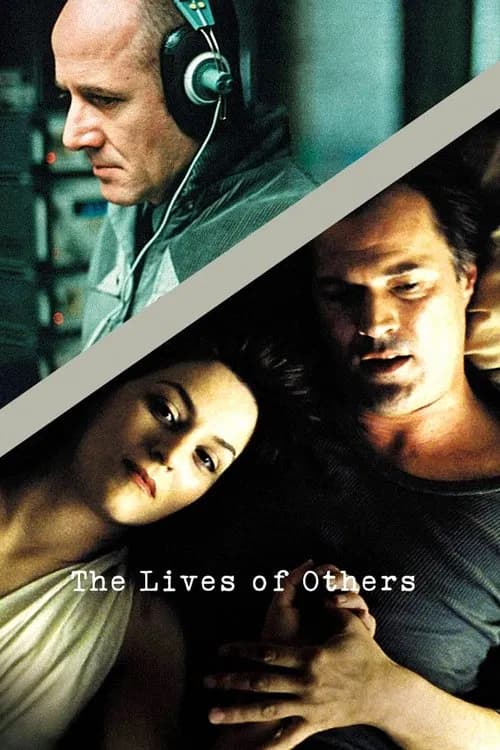
  6. The Lives of Others (2006) poster

    The Lives of Others

    Florian Henckel von Donnersmarck · 2006

    The film jumps ahead to after the fall of the Wall and shows Wiesler working as a letter carrier. He has been demoted, he's anonymous and he no longer has the identity the Stasi gave him. Then he reads the book Dreyman dedicated to him, 'HGW XX/7, in gratitude'. The epilogue shows that 1 man's secret act of conscience was seen, understood and honored.

    Where to see it: The bookshop scene. Wiesler reads the dedication. When he's asked if the book is a gift, he answers 'No, it's for me'.

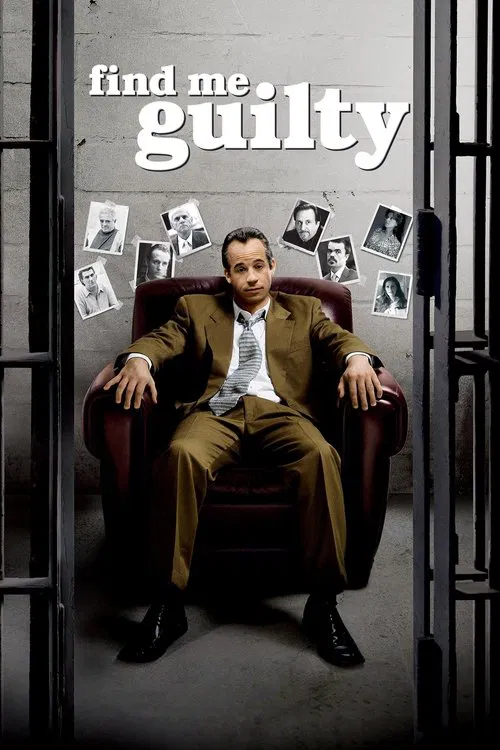
  7. Find Me Guilty (2006) poster

    Find Me Guilty

    Sidney Lumet · 2006

    The film ends with Jackie returning to prison to cheers from fellow inmates, then cards tell you what happened to the real man. The facts come after the comedy.

    Where to see it: The end titles: After the not guilty verdict on all charges, cards explain that Jackie served 17 and a half years of his sentence before parole in 2002.

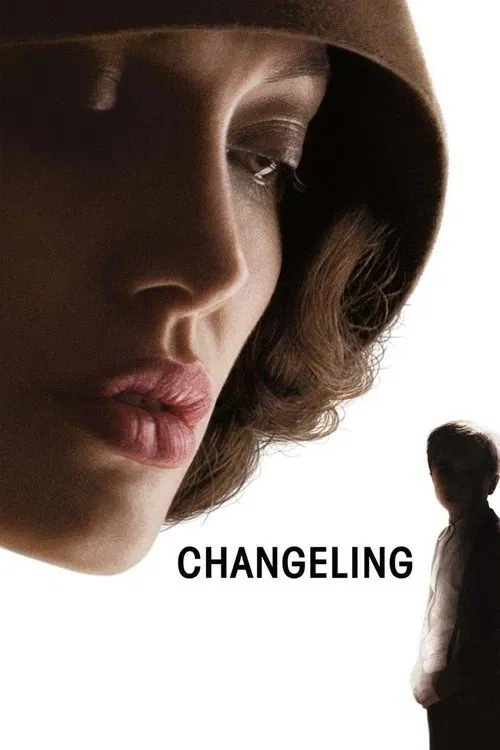
  8. Changeling (2008) poster

    Changeling

    Clint Eastwood · 2008

    The film ends with a jump to 1935, when a boy named David Clay is found alive and says Walter helped him escape. It gives Christine hope without confirming anything. Text then tells you what happened to the corrupt officials and the law.

    Where to see it: Epilogue: in 1935 David Clay says he was imprisoned with Walter, who helped him escape. Text says Captain Jones was suspended, Chief Davis was demoted and Christine never stopped searching.

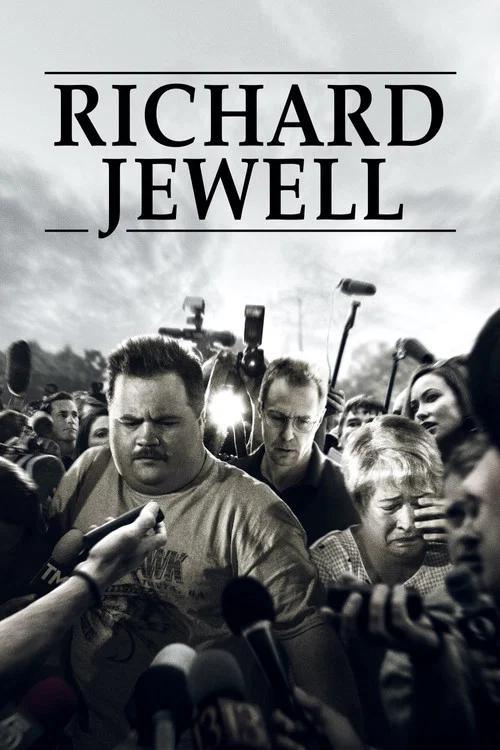
  9. Richard Jewell (2019) poster

    Richard Jewell

    Clint Eastwood · 2019

    The film jumps ahead to 2003, when Bryant tells Jewell that Eric Rudolph has confessed, and then to 2007 in text. It shows what became of the people left after the story. The distance shows how much was lost.

    Where to see it: Epilogue: in 2003 Bryant tells Jewell that Eric Rudolph has been captured and confessed. Text says Jewell died in 2007 at age 44 of heart failure.

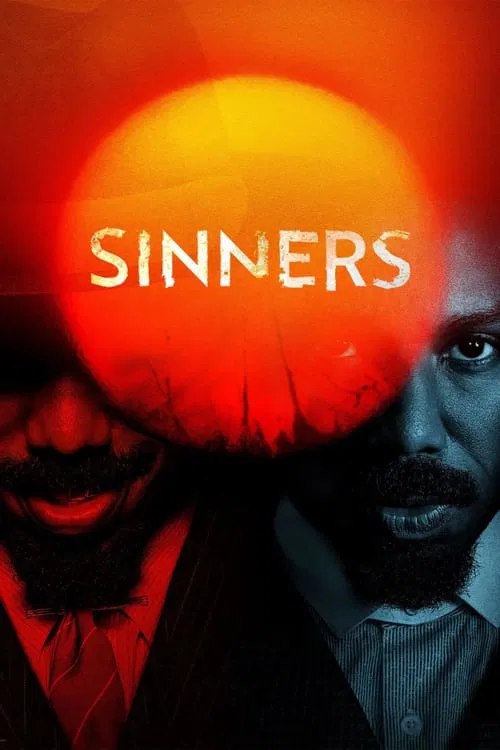
  10. Sinners (2025) poster

    Sinners

    Ryan Coogler · 2025

    After the credits start, the film jumps to 1992. An old Sammie, played by blues legend Buddy Guy, is visited by Stack and Mary, who haven't aged a day. They look back on the day of the juke joint's opening, before the killing started, as the happiest of their lives.

    Where to see it: The mid-credits scene in 1992. Stack offers to turn Sammie into a vampire, and Sammie says no, then plays for them one more time.

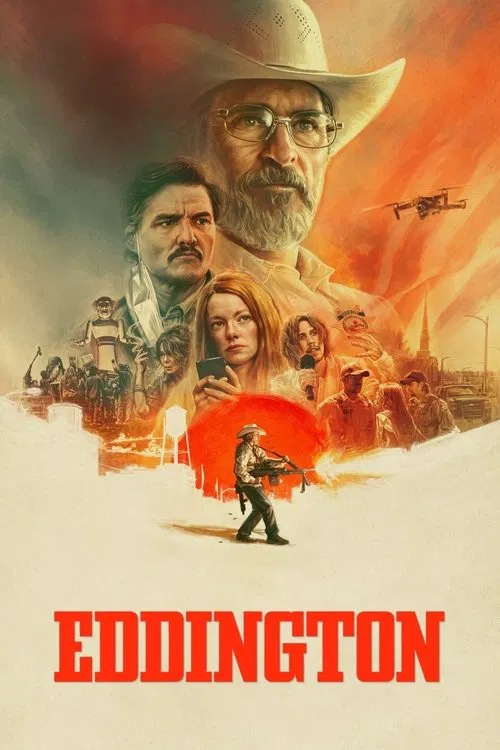
  11. Eddington (2025) poster

    Eddington

    Ari Aster · 2025

    The film jumps ahead a year to show what became of the main figures. The whole story reads as a look back at what the violence bought.

    Where to see it: The year later: Joe is mayor but brain-damaged, Dawn speaks for him, and a data center opens.

Questions

Quick answers

What is jump-forward epilogue in film?
Jumping ahead years after the story has resolved to show what became of a character. The whole story before it then reads as a look back at what was right and wrong.
Which films use jump-forward epilogue?
Scarlet Street (1945), Bed and Board (1970), The Age of Innocence (1993), Billy Elliot (2000), Gangs of New York (2002), The Lives of Others (2006) and 5 more films in the CineCode library.
What kind of technique is jump-forward epilogue?
It is a editing technique. Related editing techniques include others listed on the CineCode techniques page.