Crime · Comedy · Drama

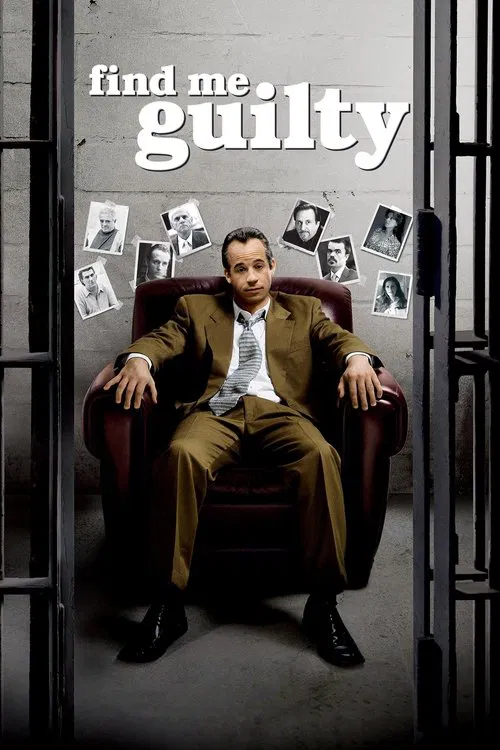
Find Me Guilty

Sidney Lumet, 2006

Mob soldier Jackie DiNorscio is on trial with 19 others in the longest Mafia trial in American history. He fires his lawyer, represents himself and charms the jury with jokes. Much of the courtroom dialogue comes from real transcripts, so the comedy has a record behind it.

Find Me Guilty (2006) poster

At a glance

Find Me Guilty is a 2006 crime, comedy and drama film directed by Sidney Lumet. This breakdown covers 5 techniques (3 narrative, 1 psychology and 1 editing), each with the scene where you can see it. If you like how it is made, Life is Beautiful uses several of the same techniques.

Narrative

Legal Theater

Staging a trial as a performance, with testimony and cross-examination played like theater. The rules can bring out the truth, or they can hide a verdict that was decided in advance.

How this film uses it

Jackie plays to the jury, and the trial becomes a stage for his charm. The cross-examination of his cousin is part comedy and part family wound.

Where to see it

The cross-examination of Tony: Klandis uses Tony's drug use to discredit him, and Jackie then asks Tony why he betrayed his love for him.
Narrative

Comedy Under Duress

Putting jokes and comic performance inside dangerous or desperate situations. The humor works as a way of resisting, and you never forget what the characters are laughing through.

How this film uses it

Jackie jokes in front of the judge, the prosecutors and the mob bosses while years in prison hang over him. The humor is how he survives and how he reaches the jury.

Where to see it

Jackie wears everyone down: His arrogant, vulgar behavior irritates everyone, and prosecutor Kierney has his prison privileges revoked.

Narrative

Verbatim Source Dialogue

Taking speeches word for word from real transcripts or recordings. The drama keeps the odd rhythm and awkward phrasing of how people really talk.

How this film uses it

Much of the courtroom dialogue was taken from the original trial transcripts. The odd phrasing and strange exchanges sound like real people.

Where to see it

The trial: In the courtroom scenes, the film draws its speech from the real court record of the longest Mafia trial in American history.

Psychology

Defensive Persona

Giving a character a protective manner, such as charm, cynicism or intellect, that hides vulnerability. The audience sees the defense first and the wound it covers later.

How this film uses it

Jackie cannot beat the system, so he wins people over. His jokes buy him goodwill from the jury and the other defendants, and you worry about what happens when the charm stops working.

Where to see it

The refused plea deal: Jackie tells his codefendants he will refuse the final plea deal, even though he is serving a long sentence, and the others turn it down too.

Editing

Jump-Forward Epilogue

Jumping ahead years after the story has resolved to show what became of a character. The whole story before it then reads as a look back at what was right and wrong.

How this film uses it

The film ends with Jackie returning to prison to cheers from fellow inmates, then cards tell you what happened to the real man. The facts come after the comedy.

Where to see it

The end titles: After the not guilty verdict on all charges, cards explain that Jackie served 17 and a half years of his sentence before parole in 2002.

Questions

Find Me Guilty: quick answers

What filmmaking techniques does Find Me Guilty use?
CineCode breaks down 5 techniques in Find Me Guilty (2006): Legal Theater, Comedy Under Duress, Verbatim Source Dialogue, Defensive Persona and Jump-Forward Epilogue.
Who directed Find Me Guilty?
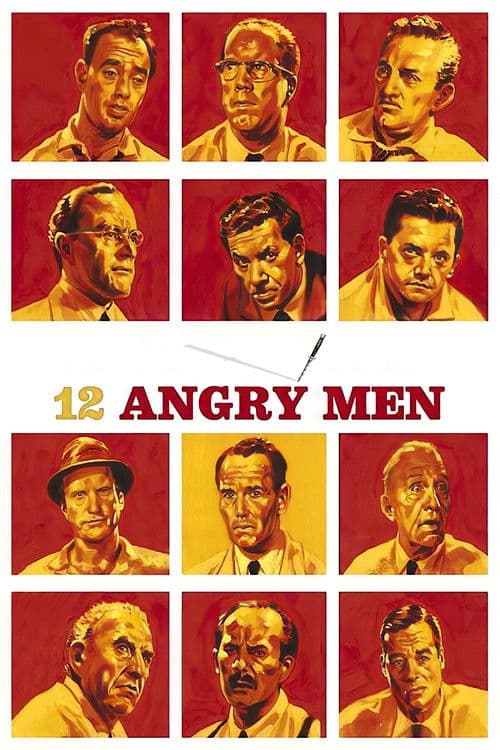
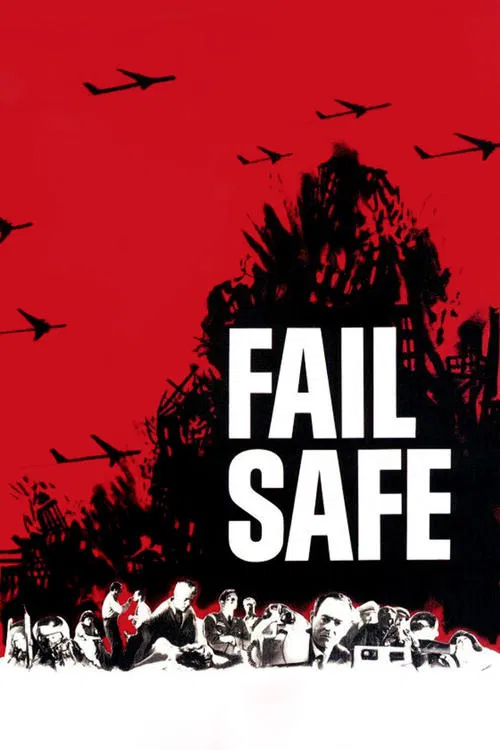
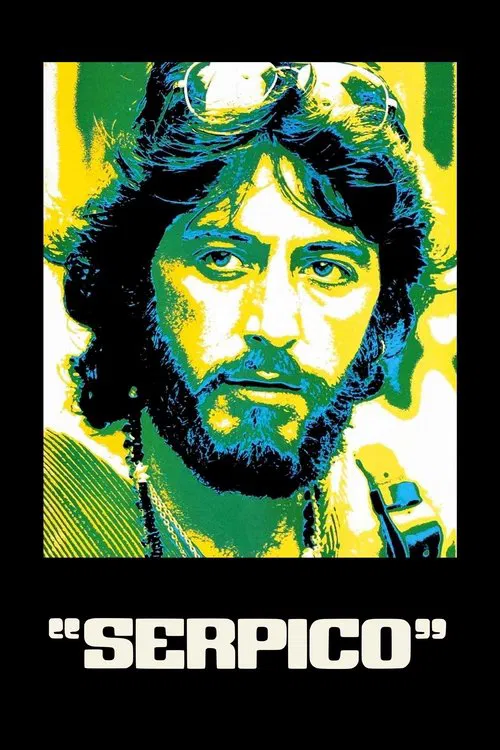
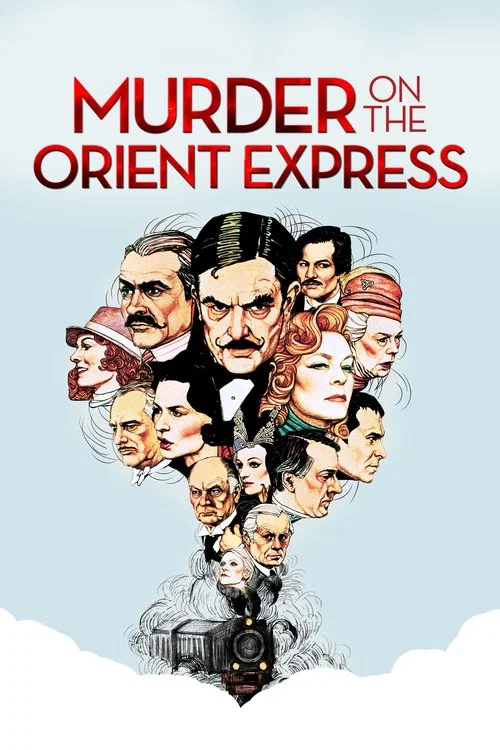
Sidney Lumet directed Find Me Guilty, released in 2006. CineCode also covers 12 Angry Men (1957), Fail Safe (1964), Serpico (1973), Murder on the Orient Express (1974), Dog Day Afternoon (1975), Network (1976).
What films are similar to Find Me Guilty?
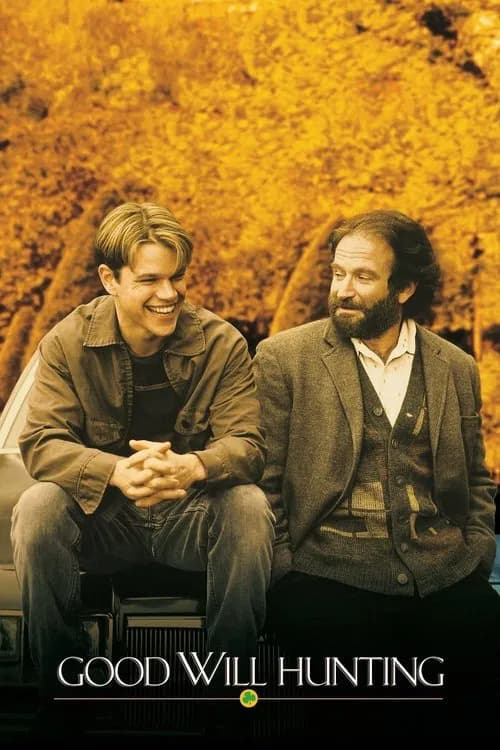
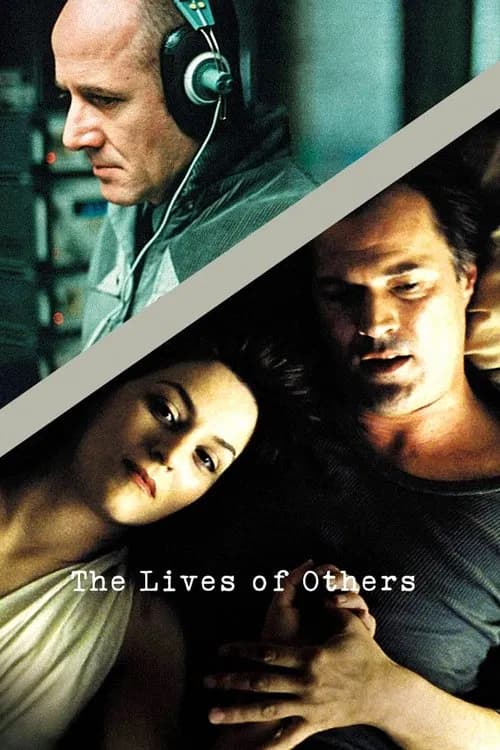
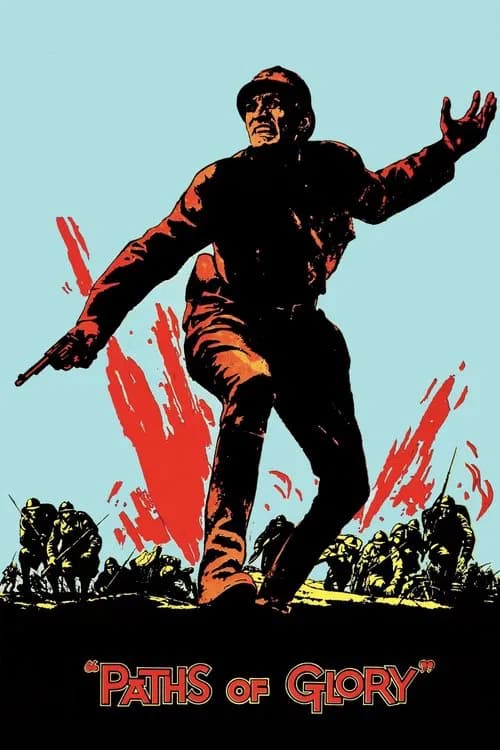
Films that share techniques with Find Me Guilty include Life is Beautiful (1997), Paths of Glory (1957), Good Will Hunting (1997), The Lives of Others (2006).