Comedy · Romance

Bed and Board

François Truffaut, 1970

Antoine and Christine are married and living in a small Paris apartment, where he dyes flowers in the courtyard and she gives violin lessons. A baby, a new job and an affair with a young Japanese woman test them. Truffaut keeps things light, even as the marriage nearly breaks.

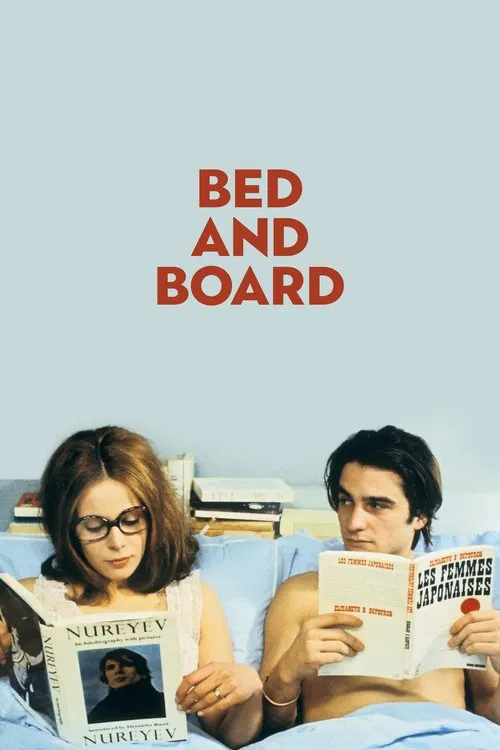
Bed and Board (1970) poster

At a glance

Bed and Board is a 1970 comedy and romance film directed by François Truffaut. This breakdown covers 4 techniques (2 narrative, 1 cinematography and 1 editing), each with the scene where you can see it. If you like how it is made, Parasite uses several of the same techniques.

Narrative

Comedy of Discomfort

Wringing laughs from awkward, humiliating or obstructive situations, so the audience squirms as characters fail to read or beat the system.

How this film uses it

Antoine gets a job demonstrating model boats in a mock-up harbor, though he speaks little English and landed the job by mistake. The jokes come from his bluffing and his failed small lies. You wince and laugh together.

Where to see it

The job interview. A company owner believes a letter praising another candidate refers to Antoine and hires him.
Narrative

Chekhov's Gun

Showing an object or detail early on that becomes important later. The idea is that nothing gets screen time unless the story is going to use it.

How this film uses it

The tulips Kyoko sends carry love notes hidden in their petals. Antoine tries to hide them, and Christine puts them in a vase. When the flowers bloom, the notes fall out and expose the affair.

Where to see it

The tulips. Christine finds out about the affair when the tulips open and Kyoko's notes fall off the petals.

Cinematography

Courtyard as Narrative Stage

Using one enclosed outdoor space, often seen from the main character's position, like a theater stage. Several stories and key confrontations play out there at once.

How this film uses it

Antoine works in the courtyard of their building, dyeing carnations while neighbors look on. The shared space makes his small failures public. It also turns the building into a little theater for the marriage.

Where to see it

The carnation dyeing. His experiments with colors backfire, and he loses his job.

Editing

Jump-Forward Epilogue

Jumping ahead years after the story has resolved to show what became of a character. The whole story before it then reads as a look back at what was right and wrong.

How this film uses it

The film jumps ahead a year after Christine and Antoine split. They are back together with their son Alphonse. Their neighbors believe they are finally in love, and you are left unsure if that is true.

Where to see it

The final scene. Antoine and Christine live in their apartment, and an older couple next door believe they are truly in love.

Questions

Bed and Board: quick answers

What filmmaking techniques does Bed and Board use?
CineCode breaks down 4 techniques in Bed and Board (1970): Comedy of Discomfort, Chekhov's Gun, Courtyard as Narrative Stage and Jump-Forward Epilogue.
Who directed Bed and Board?
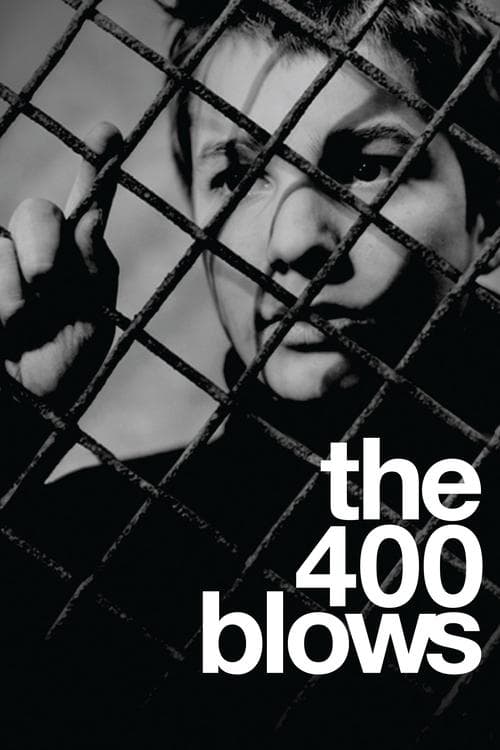
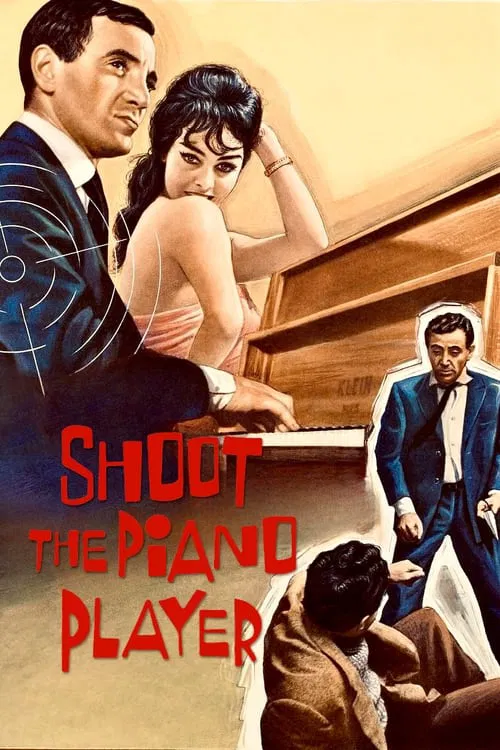
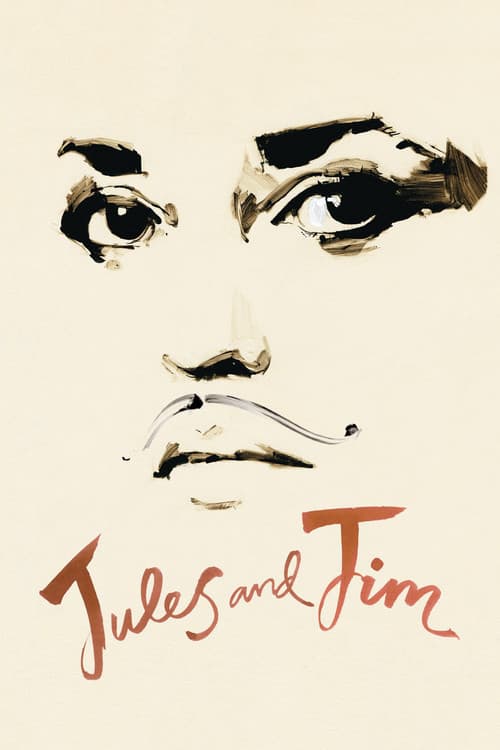
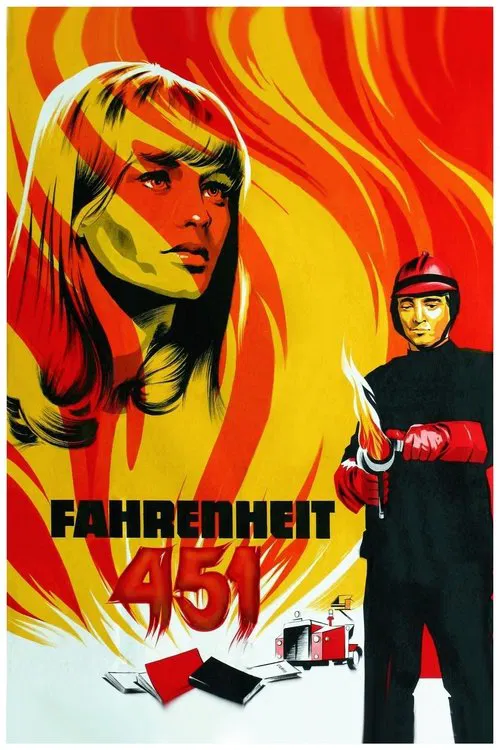
François Truffaut directed Bed and Board, released in 1970. CineCode also covers The 400 Blows (1959), Shoot the Piano Player (1960), Jules and Jim (1962), Fahrenheit 451 (1966), Stolen Kisses (1968), The Wild Child (1970).
What films are similar to Bed and Board?
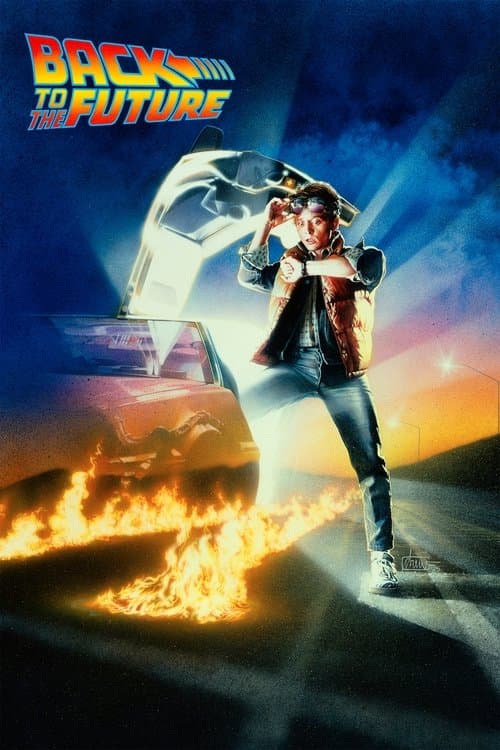
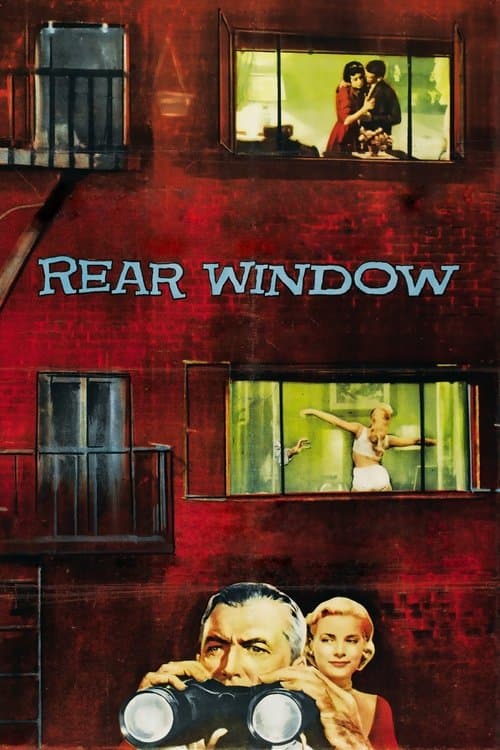
Films that share techniques with Bed and Board include Parasite (2019), Get Out (2017), Back to the Future (1985), Rear Window (1954).