Film Noir · Crime · Drama

Scarlet Street

Fritz Lang, 1945

Chris Cross is a timid cashier who paints in secret. When he saves a woman named Kitty from a street attacker, he falls for her, and she and her boyfriend Johnny scheme to use him. Worth watching for how Lang lets a quiet man break.

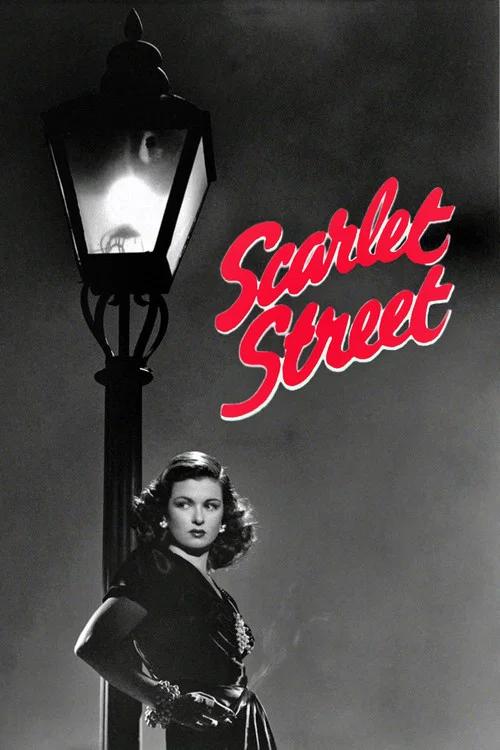
Scarlet Street (1945) poster

At a glance

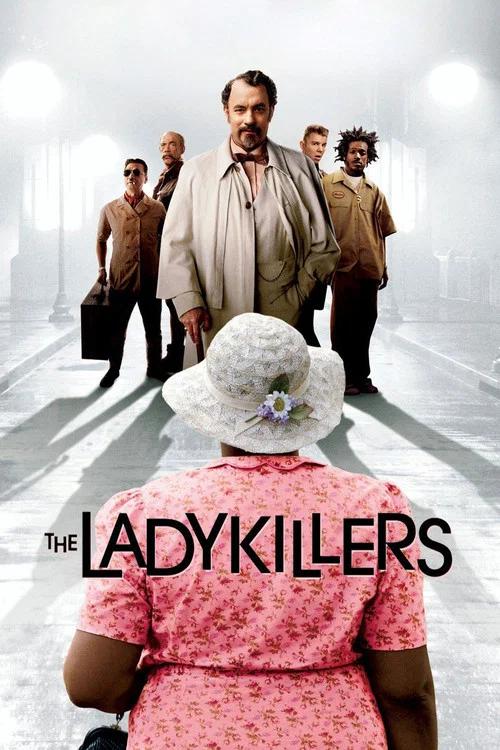
Scarlet Street is a 1945 film noir, crime and drama film directed by Fritz Lang. This breakdown covers 5 techniques (2 narrative, 2 psychology and 1 editing), each with the scene where you can see it. If you like how it is made, The Ladykillers uses several of the same techniques.

Narrative

Source Story Transplant

Moving a known story into a new genre, country or era while keeping its core plot, so the familiar skeleton takes on a different meaning.

How this film uses it

The film takes the story of the 1931 French novel La Chienne and Jean Renoir's film of the same name. Lang moves the setting from Paris to Greenwich Village in 1934.

Where to see it

Chris's New York: the cashier's life in Greenwich Village follows the old story in a new country.
Psychology

Psychological Manipulation

Showing one character steering another through suggestion, reading, triggers or false trust. The manipulation works because the target wants to believe or cannot resist.

How this film uses it

Kitty and Johnny read Chris's loneliness and use it. Kitty is sweet to him so he will rent her an apartment and give her money.

Where to see it

The studio apartment: Kitty persuades Chris to rent her an apartment as an art studio, and he steals money for her.

Psychology

Repressed Emotion

Showing a character who holds feelings down until they leak out or burst. The performance lives in what is withheld, and the release lands harder for the wait.

How this film uses it

Chris is a timid man who hides his feelings and his painting. His anger waits for a moment when he cannot take any more.

Where to see it

The stabbing: Chris finds Kitty with Johnny, she mocks his age and appearance, and he stabs her to death.

Narrative

Wrong Man Plot

Making an innocent person look guilty through coincidence and circumstantial evidence, while the audience knows or senses the truth. Everyday life turns dangerous because nobody believes them.

How this film uses it

Johnny is convicted and executed for the murder that Chris committed. The film lets you watch someone pay for a crime he did not commit.

Where to see it

The trial: Johnny is convicted of Kitty's murder, though you know Chris did it.

Editing

Jump-Forward Epilogue

Jumping ahead years after the story has resolved to show what became of a character. The whole story before it then reads as a look back at what was right and wrong.

How this film uses it

The story skips ahead 5 years to show where Chris ended up. The result is a bleak look back at everything he lost.

Where to see it

The last scenes: 5 years later, Chris is destitute and mad, and watches his portrait of Kitty sell for $10,000.

Questions

Scarlet Street: quick answers

What filmmaking techniques does Scarlet Street use?
CineCode breaks down 5 techniques in Scarlet Street (1945): Source Story Transplant, Psychological Manipulation, Repressed Emotion, Wrong Man Plot and Jump-Forward Epilogue.
Who directed Scarlet Street?
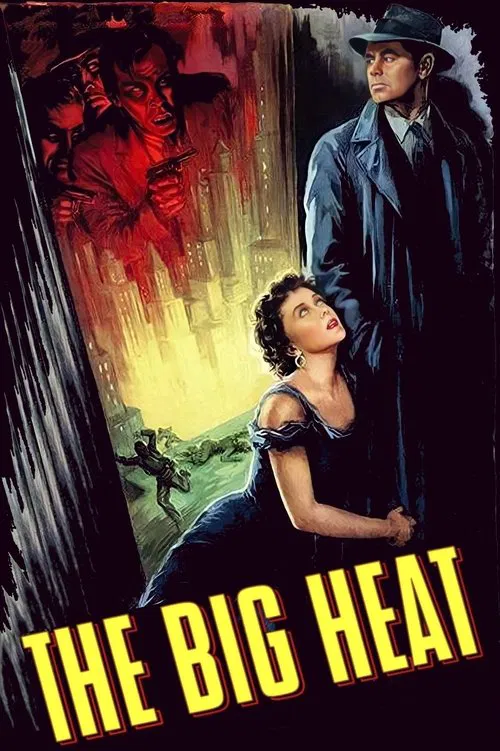
Fritz Lang directed Scarlet Street, released in 1945. CineCode also covers Metropolis (1927), M (1931), The Testament of Dr. Mabuse (1933), The Woman in the Window (1944), The Big Heat (1953).
What films are similar to Scarlet Street?
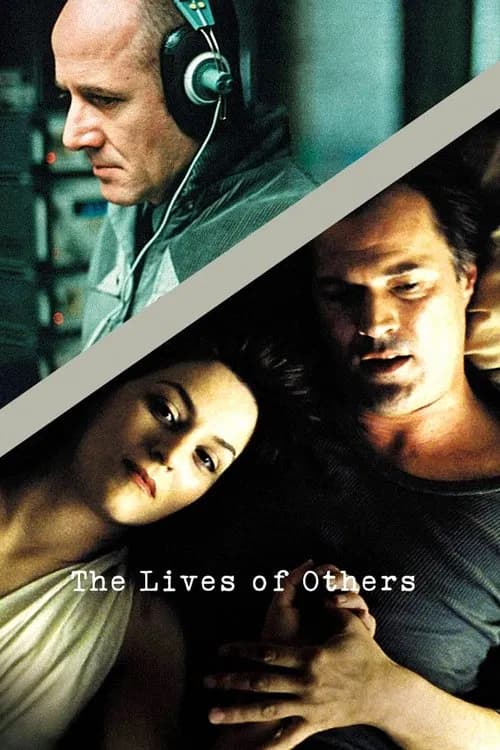
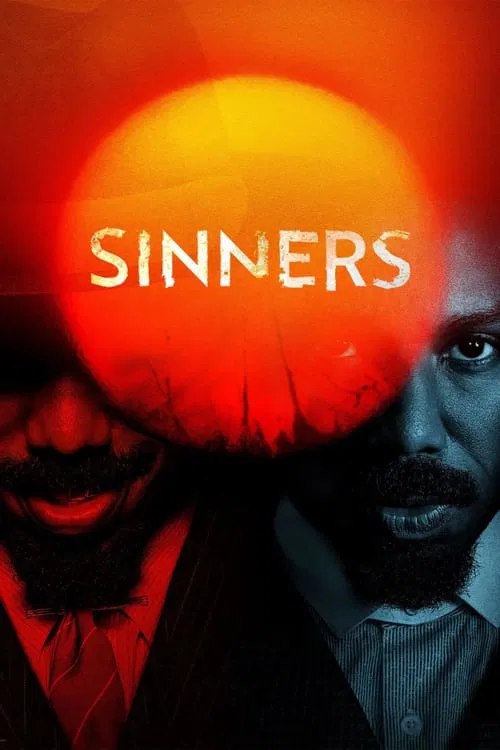
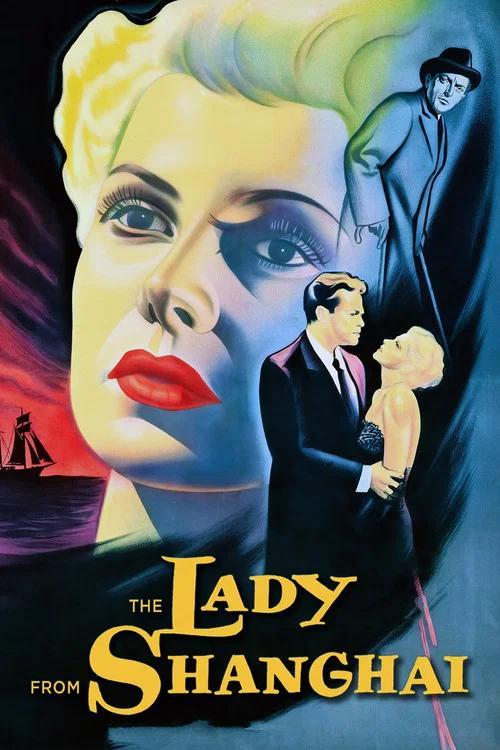
Films that share techniques with Scarlet Street include The Ladykillers (2004), The Lady from Shanghai (1947), The Lives of Others (2006), Sinners (2025).