Drama · Biography · Crime

Richard Jewell

Clint Eastwood, 2019

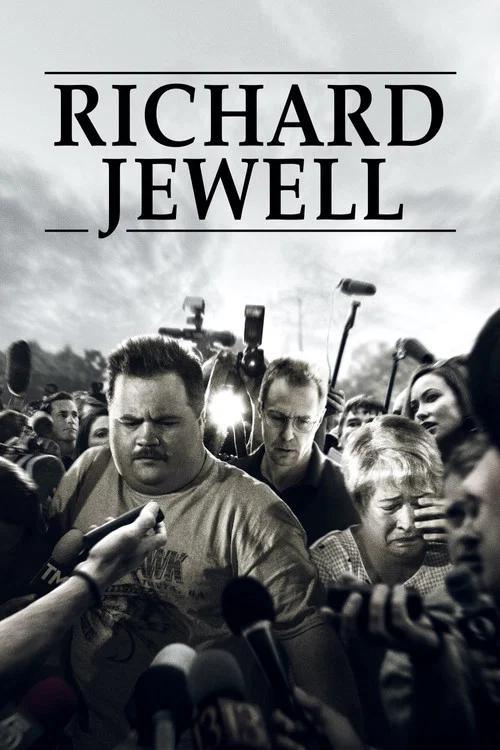
Security guard Richard Jewell spots a bomb at the 1996 Atlanta Olympics and is praised as a hero. Then the FBI and the press decide he is the suspect. Watch how the film shows a decent man who believes in authority being crushed by it.

Richard Jewell (2019) poster

At a glance

Richard Jewell is a 2019 drama, biography and crime film directed by Clint Eastwood. This breakdown covers 4 techniques (1 psychology, 2 narrative and 1 editing), each with the scene where you can see it. If you like how it is made, The Hunt uses several of the same techniques.

Psychology

Wrongful Accusation Pressure

Putting an innocent person under blame or suspicion and showing the damage it does to them and those near them. The accusation distorts the community's judgment.

How this film uses it

Jewell did the right thing and is punished for it. The FBI decides he fits the profile of a loner who wants to be a hero, and the media follows. Pressure lands on him and his mother.

Where to see it

Naming a suspect: after the bombing, Jewell is heralded as a hero. The FBI determines that as a white male wanna-be police officer he fits the profile, and the front page names him a suspect.
Narrative

Community as Tribunal

Showing a community turn into its own informal court, outside the legal system. Mob logic and social pressure take the place of legal process, the same way a rumor hardens into a conviction.

How this film uses it

The press and public judge Jewell before any court does. The media narrative shifts from praise to blame overnight. A rumor hardens into a conviction.

Where to see it

Media turn: the Atlanta Journal publishes the story on its front page and the media narrative about Jewell immediately shifts from laudatory to critical. He then does a disastrous interview on The Today Show.

Narrative

Dramatic Irony

Letting the audience know something a character doesn't. You watch them act without that knowledge, which creates suspense, dread or dark comedy.

How this film uses it

You know Jewell is innocent, and he is the one who trusts the people building a case against him. He cooperates with the FBI because he respects authority. You wince at every polite answer.

Where to see it

FBI office: Shaw lures Jewell to the FBI office, and Jewell is initially cooperative. He grows suspicious only when asked to sign an acknowledgement that he has been read his Miranda rights.

Editing

Jump-Forward Epilogue

Jumping ahead years after the story has resolved to show what became of a character. The whole story before it then reads as a look back at what was right and wrong.

How this film uses it

The film jumps ahead to 2003, when Bryant tells Jewell that Eric Rudolph has confessed, and then to 2007 in text. It shows what became of the people left after the story. The distance shows how much was lost.

Where to see it

Epilogue: in 2003 Bryant tells Jewell that Eric Rudolph has been captured and confessed. Text says Jewell died in 2007 at age 44 of heart failure.

Questions

Richard Jewell: quick answers

What filmmaking techniques does Richard Jewell use?
CineCode breaks down 4 techniques in Richard Jewell (2019): Wrongful Accusation Pressure, Community as Tribunal, Dramatic Irony and Jump-Forward Epilogue.
Who directed Richard Jewell?
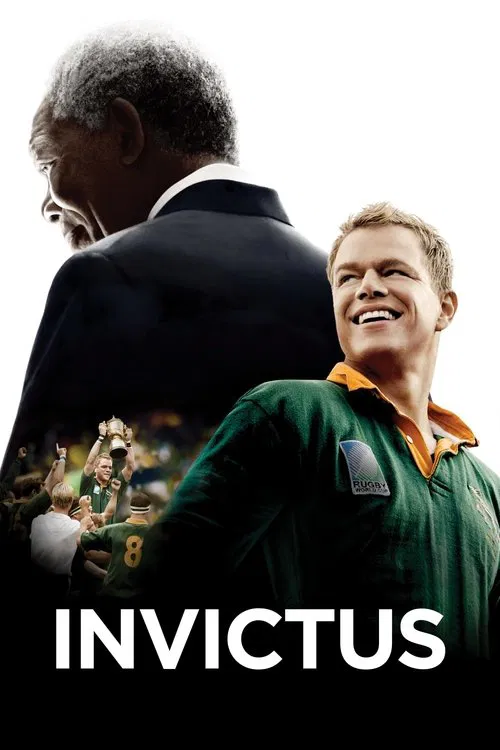
Clint Eastwood directed Richard Jewell, released in 2019. CineCode also covers Unforgiven (1992), Mystic River (2003), Million Dollar Baby (2004), Gran Torino (2008), Changeling (2008), Invictus (2009).
What films are similar to Richard Jewell?
Films that share techniques with Richard Jewell include The Hunt (2012), The Age of Innocence (1993), Changeling (2008), Get Out (2017).