Crime · Drama · History

Gangs of New York

Martin Scorsese, 2002

In 1860s New York, a young man returns to the Five Points slum to avenge his father, who was killed by the nativist gang leader Bill the Butcher. It's Scorsese's big-canvas history film. As a filmmaker, watch how the rebuilt streets and the final riot tell you what kind of city this is.

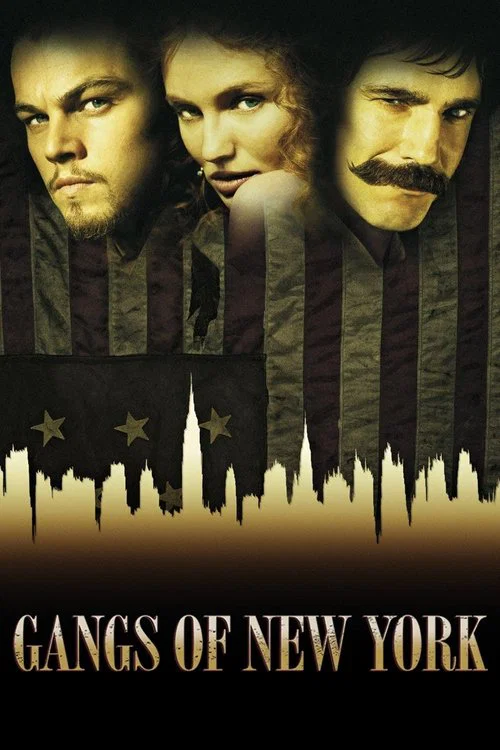
Gangs of New York (2002) poster

At a glance

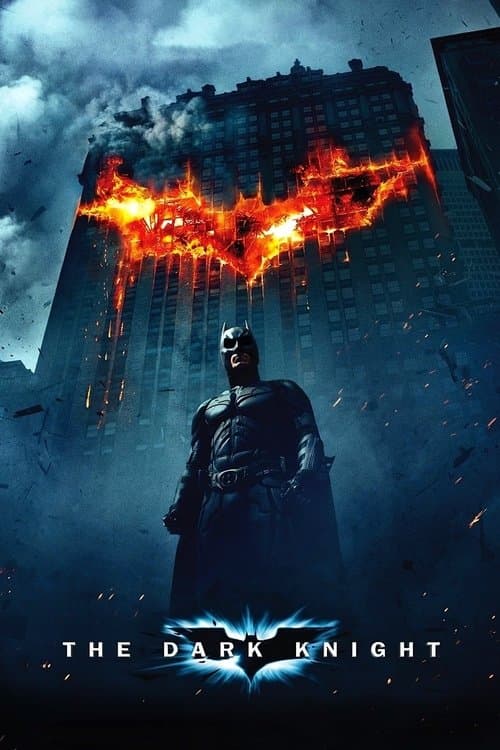
Gangs of New York is a 2002 crime, drama and history film directed by Martin Scorsese. This breakdown covers 4 techniques (1 cinematography, 1 narrative, 1 sound and 1 editing), each with the scene where you can see it. If you like how it is made, The Dark Knight uses several of the same techniques.

Cinematography

Set as Total World

Building a set so complete, with its own weather, crowds, architecture and social rules, that it feels lived in. It reads as real until one deliberate slip shows that it was built.

How this film uses it

Production designer Dante Ferretti rebuilt over a mile of 19th-century New York at Cinecitta Studios in Rome. The Five Points streets feel crowded, muddy and lived in. You believe in the neighborhood, so the gang war feels like it belongs to a real place.

Where to see it

The Five Points street scenes. The camera walks you through the tenements, the Old Brewery and Paradise Square as if the neighborhood had always been there.
Narrative

Ideological Villain

Writing a villain whose danger comes from a belief system that makes sense on its own terms. The story has to take on their ideas, and beating them physically isn't enough.

How this film uses it

Bill the Butcher leads the nativists, who believe the city belongs to people born in America. He is frightening because he has a worldview he can explain, and the film lets him do it. You end up fighting his ideas as much as his knife.

Where to see it

The opening gang fight in 1846. Bill kills the Irish leader Priest Vallon while the young Amsterdam watches, and you see what Bill thinks the fight is for.

Sound

Anachronistic Soundtrack

Playing music from a different era, such as hip-hop, rock or pop, over a story set in the past. The clash comments on how those past events connect to the present.

How this film uses it

The film mixes mid-19th-century Irish tunes with modern pop and world music. U2's song "The Hands That Built America" runs over the final sequence and the closing credits. The modern sound ties a story from the 1860s to the city you know today.

Where to see it

The closing sequence. As the song plays, the skyline over the grave site changes across the next century.

Editing

Jump-Forward Epilogue

Jumping ahead years after the story has resolved to show what became of a character. The whole story before it then reads as a look back at what was right and wrong.

How this film uses it

After Amsterdam buries his father's knife, the camera stays on the Brooklyn cemetery while the New York skyline grows behind it. The graves end up overgrown and forgotten. You can read it as the film saying the city outlasted every grudge in it.

Where to see it

The final shot. Amsterdam and Jenny walk away from the cemetery, and the view shifts through the following century of the city.

Questions

Gangs of New York: quick answers

What filmmaking techniques does Gangs of New York use?
CineCode breaks down 4 techniques in Gangs of New York (2002): Set as Total World, Ideological Villain, Anachronistic Soundtrack and Jump-Forward Epilogue.
Who directed Gangs of New York?
Martin Scorsese directed Gangs of New York, released in 2002. CineCode also covers Mean Streets (1973), Alice Doesn't Live Here Anymore (1974), Taxi Driver (1976), New York, New York (1977), Raging Bull (1980), The King of Comedy (1982).
What films are similar to Gangs of New York?
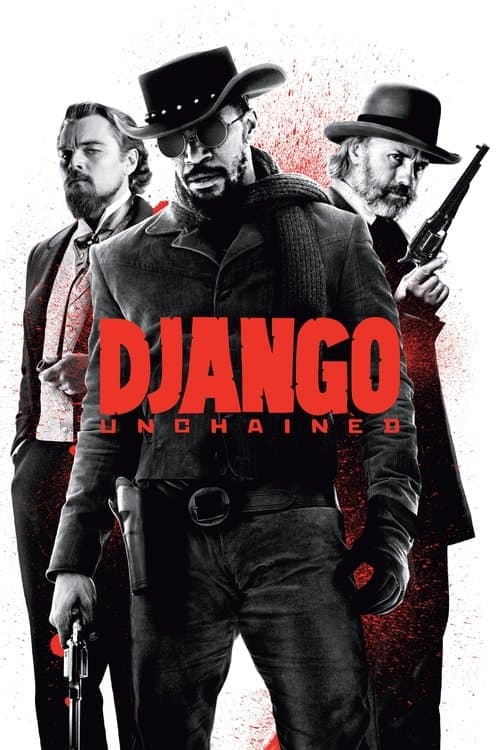
Films that share techniques with Gangs of New York include The Dark Knight (2008), Django Unchained (2012), The Lives of Others (2006), The Truman Show (1998).