Drama · Comedy · Romance

Three Colors: White

Krzysztof Kieślowski, 1994

A Polish hairdresser loses his wife, his money and his home in a Paris divorce court. He slinks back to Warsaw, builds a fortune and plans a very strange revenge on his ex-wife Dominique. Worth watching for how Kieslowski turns a heartbreak story into a dark comedy about humiliation and getting even.

Three Colors: White (1994) poster

At a glance

Three Colors: White is a 1994 drama, comedy and romance film directed by Krzysztof Kieślowski. This breakdown covers 5 techniques (3 narrative, 1 sound and 1 psychology), each with the scene where you can see it. If you like how it is made, Foxcatcher uses several of the same techniques.

Narrative

Role Reversal Structure

Swapping the expected roles of characters or a fable's archetypes as the story progresses, so power and sympathy shift and old assumptions fail.

How this film uses it

Karol starts as the helpless one, pleading through an interpreter in a French courtroom while Dominique holds every card. By the end he is the rich one with the plan, and she is the one behind bars. The power shift is the whole film, so every scene in between feels like a step on a staircase.

Where to see it

The prison finale: Karol watches Dominique through her cell window with binoculars. She signs to him that she wants to marry him again once she is out, and he starts to cry.
Narrative

Money as Plot Driver

Making money or one necessary possession the force that moves the plot, so every choice is shaped by what characters can afford or keep.

How this film uses it

Karol's rise runs on cash and paperwork. He overhears a land scheme, buys the land first and then arranges his own will so that everything goes to Dominique. Each move works because of what he owns, so you follow the plot by following the money.

Where to see it

The land deal: Karol learns that his bosses plan to buy land that big companies will want. He buys it first and tells them that if he dies, all his property goes to the church.

Narrative

Comedy Under Duress

Putting jokes and comic performance inside dangerous or desperate situations. The humor works as a way of resisting, and you never forget what the characters are laughing through.

How this film uses it

Karol's trip home is played as slapstick even though he is broke and trapped. You laugh at a grown man folded into a suitcase while you also feel how low he has sunk. The joke never lets you forget the humiliation.

Where to see it

The suitcase trip: Mikolaj helps Karol return to Poland hidden in a suitcase. Airport workers steal it and open it, find nothing worth taking and beat him up. They leave him in a dump in the Polish countryside.

Sound

Sound as Plot Device

Making a sound, voice or call drive the story itself. A phone line, a mimicked noise or a spliced recording changes what characters do or believe.

How this film uses it

Dominique's cruelty arrives as a sound with no picture of her at all. Karol has to stand in a phone booth and listen, so you imagine the scene as he does. It shows that he has lost her without a single image of the new man.

Where to see it

The phone booth call: Karol calls Dominique from a Paris Metro station phone booth. She makes him listen to her having sex with another man, and he breaks down.

Psychology

Status and Self-Worth Anxiety

Centering a character's fear of being unimportant, replaced or left behind. Their pursuit of rank, success or recognition shows how fragile their self-worth is.

How this film uses it

Karol's fear of being worthless starts in the divorce, where he is told he could not satisfy his wife. Everything he does afterward, from the money to the staged death, tries to make him matter to her again. His revenge is really a plea to be taken seriously.

Where to see it

The divorce hearing: in a Paris court, Karol pleads with the judge through an interpreter. He learns that Dominique does not love him because he could not consummate the marriage.

Questions

Three Colors: White: quick answers

What filmmaking techniques does Three Colors: White use?
CineCode breaks down 5 techniques in Three Colors: White (1994): Role Reversal Structure, Money as Plot Driver, Comedy Under Duress, Sound as Plot Device and Status and Self-Worth Anxiety.
Who directed Three Colors: White?
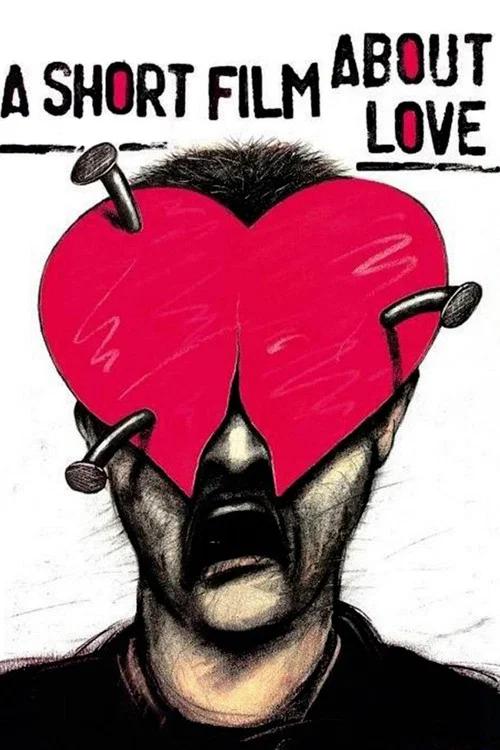
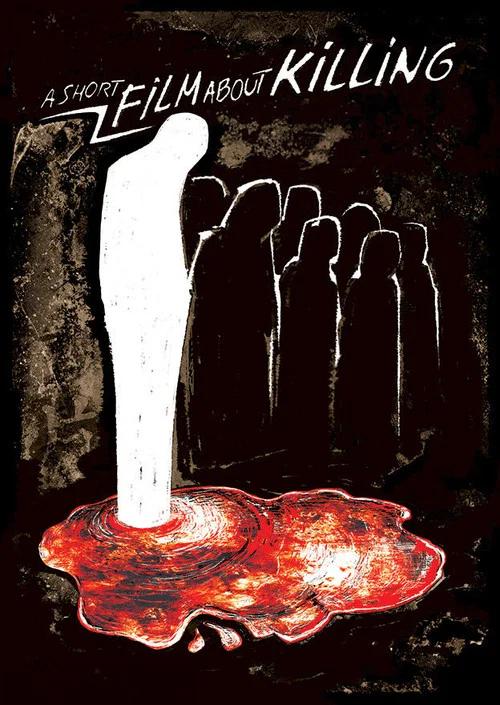
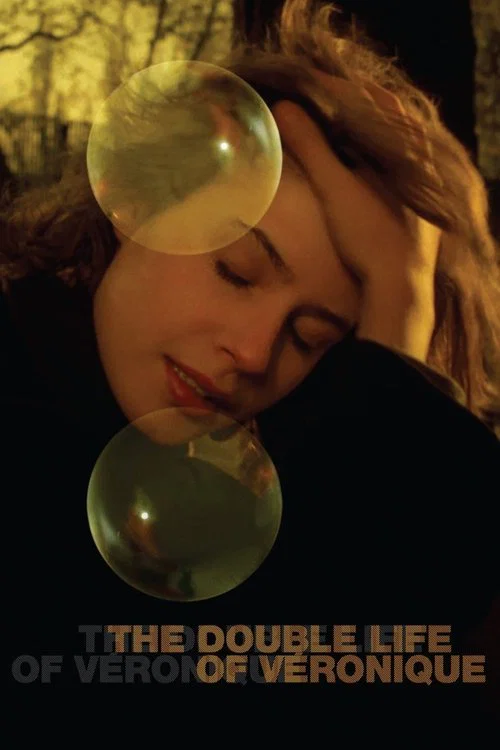
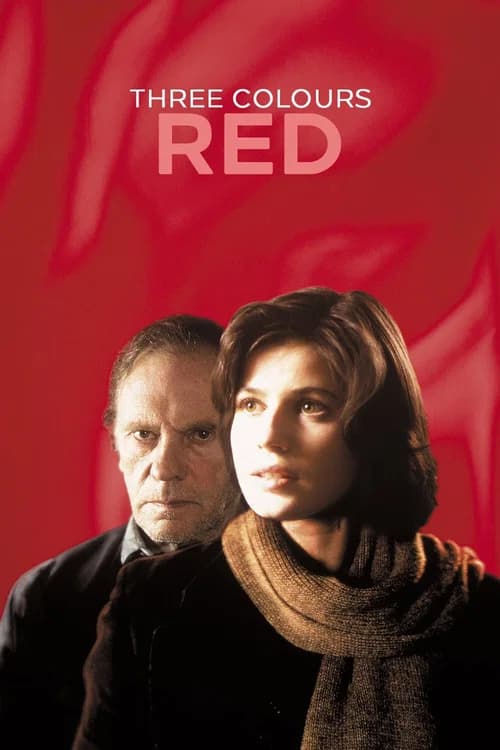
Krzysztof Kieślowski directed Three Colors: White, released in 1994. CineCode also covers A Short Film About Love (1988), A Short Film About Killing (1988), The Double Life of Véronique (1991), Three Colors: Blue (1993), Three Colors: Red (1994).
What films are similar to Three Colors: White?
Films that share techniques with Three Colors: White include Foxcatcher (2014), Materialists (2025), Life is Beautiful (1997), Toy Story (1995).