Crime · Drama · Thriller

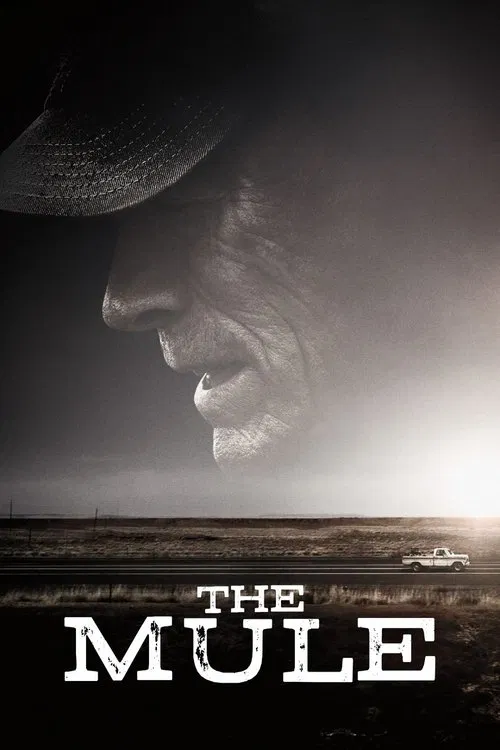
The Mule

Clint Eastwood, 2018

Earl Stone, a broke horticulturist in his 80s, starts driving cocaine for a cartel and finds he is good at it. As the money rolls in, he tries to make up for years of missing his family. Look at how an old star plays an old man who is still learning what matters.

The Mule (2018) poster

At a glance

The Mule is a 2018 crime, drama and thriller film directed by Clint Eastwood. This breakdown covers 5 techniques (3 narrative, 1 psychology and 1 cinematography), each with the scene where you can see it. If you like how it is made, Shadow of a Doubt uses several of the same techniques.

Narrative

Aging Star as Subject

Letting the performers' real age and screen history carry the story, so time, fading status and the weight of earlier roles become part of the drama.

How this film uses it

Clint Eastwood, in his late 80s, plays a man who has spent a lifetime choosing work over his family. His age is part of the story, because police do not suspect him and he runs out of time to fix his mistakes. The actor's real years give the film its weight.

Where to see it

Opening: Earl misses his daughter Iris's wedding to receive a lifetime award for his flower business. Twelve years later his business is bankrupt and his home is foreclosed on.
Narrative

Money as Plot Driver

Making money or one necessary possession the force that moves the plot, so every choice is shaped by what characters can afford or keep.

How this film uses it

Earl first takes the job because he has lost everything. The money lets him buy back his house, fix up the VFW post and pay for his granddaughter's wedding. Every choice he makes is tied to what he can afford.

Where to see it

Paying it forward: Earl buys a new truck and pays to repair the VFW post that burned. He also pays for Ginny's wedding and tuition.

Narrative

Dramatic Irony

Letting the audience know something a character doesn't. You watch them act without that knowledge, which creates suspense, dread or dark comedy.

How this film uses it

You know the agent in the diner is hunting Tata, and the old man knows nothing about it. Earl even tells Bates how to mend fences with his wife. The advice is for the man who is trying to catch him.

Where to see it

Diner scene: in the middle of a $12 million shipment, Earl winds up in a diner with Bates. Neither recognizes the other, and Earl advises him not to make the mistakes he made.

Psychology

Regret and Letting Go

Following a character who carries a past love or lost chance and has to release it. Acceptance, not victory, becomes the emotional resolution.

How this film uses it

Earl cannot get back the years he lost, but he can choose how to spend what is left. He defies the cartel to be with his dying ex-wife. He gives up his freedom to be with his family.

Where to see it

Mary's last days: Earl disobeys Gustavo to make peace with Mary and stay with her. Later he interrupts his lawyer in court and pleads guilty to all charges.

Cinematography

Deliberate Close-Up Performance

Holding a close-up on an actor's face long enough to catch tiny changes in expression. You read what the character is thinking from details a wider shot would miss.

How this film uses it

The courtroom scene leans on Eastwood's weathered face. The lawyer pleads for mercy, but Earl cuts her off. You see guilt on his face before he says the words.

Where to see it

Guilty plea: in court, Earl's lawyer asks for mercy because of his age and military service. A guilt-ridden Earl interrupts her to plead guilty to all charges.

Questions

The Mule: quick answers

What filmmaking techniques does The Mule use?
CineCode breaks down 5 techniques in The Mule (2018): Aging Star as Subject, Money as Plot Driver, Dramatic Irony, Regret and Letting Go and Deliberate Close-Up Performance.
Who directed The Mule?
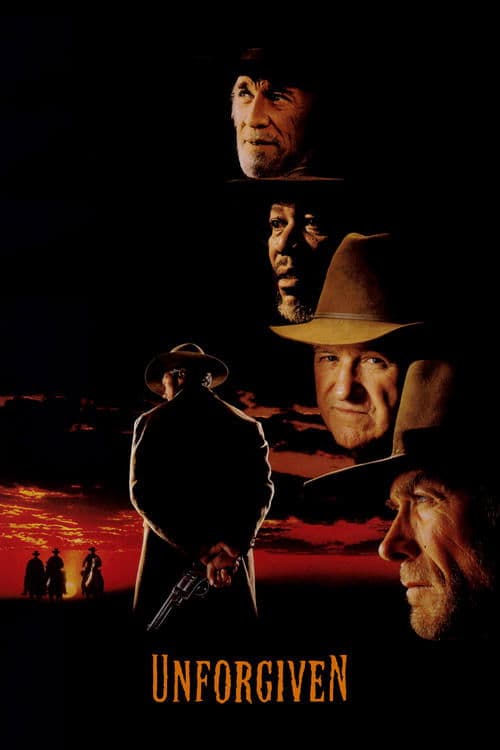
Clint Eastwood directed The Mule, released in 2018. CineCode also covers Unforgiven (1992), Mystic River (2003), Million Dollar Baby (2004), Gran Torino (2008), Changeling (2008), Invictus (2009).
What films are similar to The Mule?
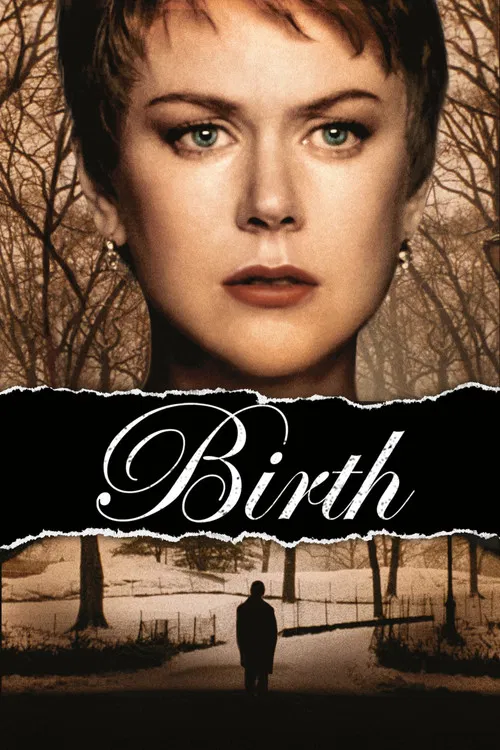
Films that share techniques with The Mule include Shadow of a Doubt (1943), Peggy Sue Got Married (1986), Always (1989), Birth (2004).