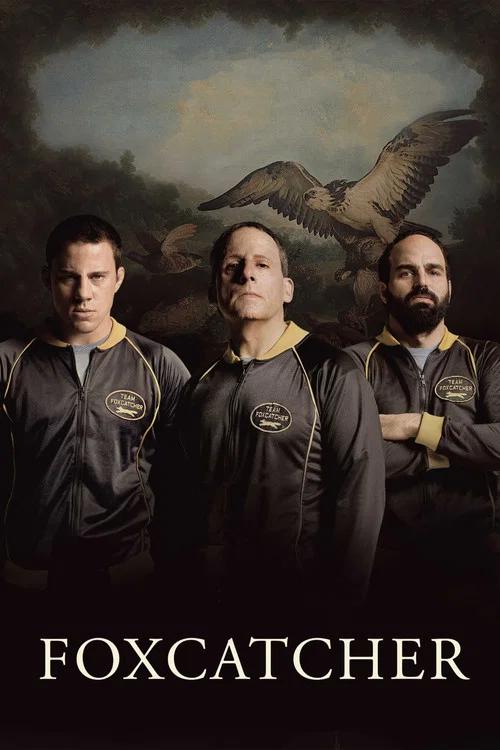
Olympic wrestler Mark Schultz feels overshadowed by his brother Dave and accepts a place on millionaire John du Pont's training team. The money, the cocaine and du Pont's need for approval start to eat away at everyone. Watch how Miller shoots all of it from a cold distance.
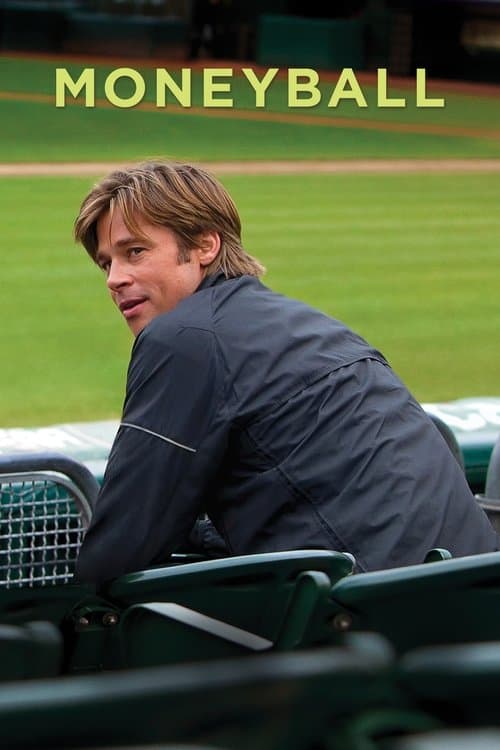
Foxcatcher is a 2014 drama, sport and crime film directed by Bennett Miller. This breakdown covers 5 techniques (2 narrative, 1 editing and 2 psychology), each with the scene where you can see it. If you like how it is made, Moneyball uses several of the same techniques.
Watching events from a measured distance with no swelling music, tear-jerking close-ups or showy camera moves. The film trusts what happens to carry the weight on its own.
How this film uses it
The film keeps a measured distance and trusts what happens on screen. Even the killing at the end is shown plainly, and you are left to take it in on your own.
Where to see it
The shooting: After watching a documentary about the team, du Pont drives to Dave's home and shoots him.
Cutting real documentary or archive footage into a fictional story, such as authentic records of wartime atrocities. It grounds the fiction in history and blurs the line between cinema and the record.
How this film uses it
The scene where the wrestlers take a morning off from training to watch mixed martial arts uses real footage of Gary Goodridge beating Paul Herrera at UFC 8. Cutting in real footage makes the scene feel like a real television broadcast.
Where to see it
MMA viewing: Mark and his teammates skip training to watch a televised cage fight, and du Pont slaps Mark in anger.
Showing two people bound together by mutual harm or guilt. They cannot leave and cannot heal, and the bond feeds on its own cruelty.
How this film uses it
Mark and du Pont need each other and also hurt each other. Du Pont gives Mark attention and drugs, and Mark gives du Pont a place at the center of a team.
Where to see it
Cocaine and closeness: Du Pont introduces Mark to cocaine as they become close.
Centering a character's fear of being unimportant, replaced or left behind. Their pursuit of rank, success or recognition shows how fragile their self-worth is.
How this film uses it
Mark is an Olympic champion who still feels like his older brother's shadow. That fear is why he accepts du Pont's offer, and why he is so easy to flatter.
Where to see it
The recruitment: Du Pont recruits Mark to train at his Pennsylvania estate, and Dave declines so Mark goes alone.
Making money or one necessary possession the force that moves the plot, so every choice is shaped by what characters can afford or keep.
How this film uses it
Du Pont's wealth sets the plot in motion and shapes every relationship. He pays for the team, and money is also what keeps Mark supported after he leaves, because Dave makes it a condition of staying.
Where to see it
Foxcatcher's offer: Du Pont funds the team on his estate, and later agrees to keep supporting Mark financially after Mark leaves, as a condition Dave sets for staying.
Questions
Foxcatcher: quick answers
What filmmaking techniques does Foxcatcher use?
CineCode breaks down 5 techniques in Foxcatcher (2014): Observational Restraint, Documentary Footage Integration, Toxic Codependency, Status and Self-Worth Anxiety and Money as Plot Driver.
Who directed Foxcatcher?
Bennett Miller directed Foxcatcher, released in 2014. CineCode also covers Moneyball (2011).
What films are similar to Foxcatcher?
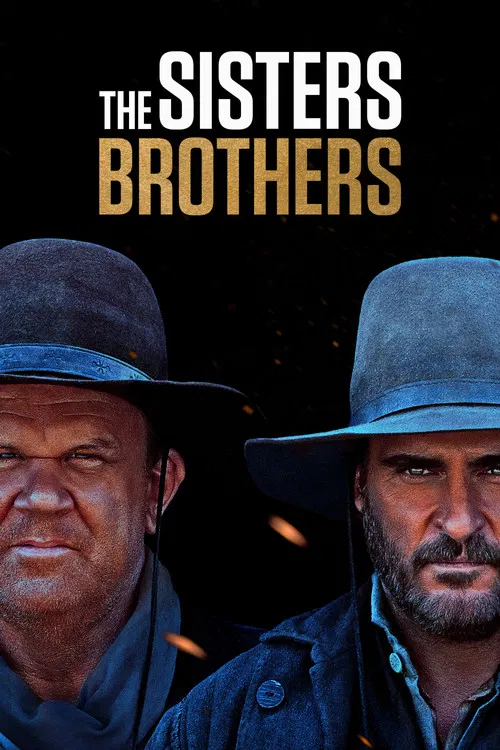
Films that share techniques with Foxcatcher include Moneyball (2011), The Bling Ring (2013), Three Colors: White (1994), The Sisters Brothers (2018).