Crime · Thriller

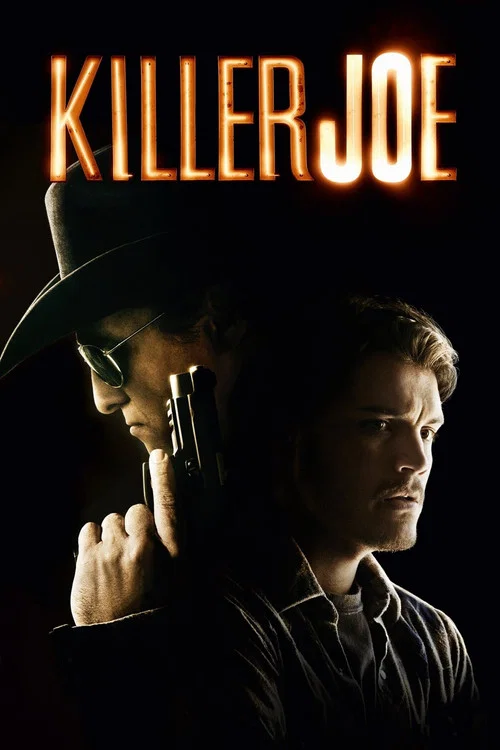
Killer Joe

William Friedkin, 2012

A broke Texas drug dealer talks his family into killing his mother for her life insurance. They hire a cop named Joe Cooper, who moonlights as a hit man. When the money runs short, he takes the dealer's sister as a retainer. Friedkin turns a stage play into a mean, funny nightmare.

Killer Joe (2012) poster

At a glance

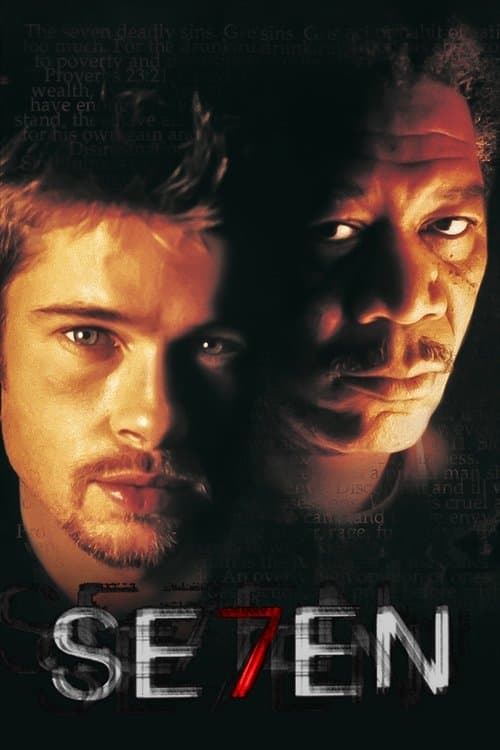
Killer Joe is a 2012 crime and thriller film directed by William Friedkin. This breakdown covers 5 techniques (3 narrative, 1 psychology and 1 cinematography), each with the scene where you can see it. If you like how it is made, Se7en uses several of the same techniques.

Narrative

Money as Plot Driver

Making money or one necessary possession the force that moves the plot, so every choice is shaped by what characters can afford or keep.

How this film uses it

Every choice in this family comes down to cash. Chris owes $6,000, the policy is worth $50,000, and Joe wants $25,000 up front. Because nobody has it, the plan keeps bending toward worse and worse deals.

Where to see it

Joe asking for his $25,000 advance. When the family can't pay, he proposes taking Dottie as a retainer until the insurance money arrives.
Narrative

Withheld Murder Scene

Never showing the act of violence itself. You only see the aftermath or hear characters describe it, and your imagination fills in what happened.

How this film uses it

The murder at the center of the plot never plays out for you. Chris asks Joe to call off the hit, and then learns Adele is already dead. You only see the dead woman afterward, when Joe and Chris dump the body in a car and burn it.

Where to see it

Chris finding out the job is done. He asks Joe to stop, and Joe tells him it already happened.

Psychology

Psychological Manipulation

Showing one character steering another through suggestion, reading, triggers or false trust. The manipulation works because the target wants to believe or cannot resist.

How this film uses it

Joe controls the room with calm questions and polite manners. He steers Sharla toward admitting she knew the policy was worth $100,000, then lets the others turn on her. The threat is in how softly he does it.

Where to see it

Joe's questioning of Sharla. He asks her pointed questions in the trailer until she confesses, then shows the check and photos.

Narrative

Escalating Villain Intensity

Making a villain or anti-hero more extreme as the film goes on, with each act bolder and harder to predict. The fear comes from never knowing what they will do next.

How this film uses it

Joe starts as a courteous professional. Every scene after that, he asks for more and takes more. By the end he has beaten Sharla and forced her into the film's most infamous scene.

Where to see it

The fried chicken leg scene. Joe makes Sharla simulate oral sex on a chicken leg while Ansel does nothing to stop him.

Cinematography

Theatrical Staging

Borrowing stage conventions such as curtains, masks, bare sets and ritual movement. Scenes become formal and life starts to look like a performance.

How this film uses it

The script is Tracy Letts adapting his own play. Friedkin keeps most of the action inside one trailer and lets long dialogue scenes play out between a few actors. It feels like a stage show where the walls are a little too close.

Where to see it

The final confrontation in the trailer. Joe, Dottie, Chris, Ansel and Sharla all end up in one room, shouting over each other.

Questions

Killer Joe: quick answers

What filmmaking techniques does Killer Joe use?
CineCode breaks down 5 techniques in Killer Joe (2012): Money as Plot Driver, Withheld Murder Scene, Psychological Manipulation, Escalating Villain Intensity and Theatrical Staging.
Who directed Killer Joe?
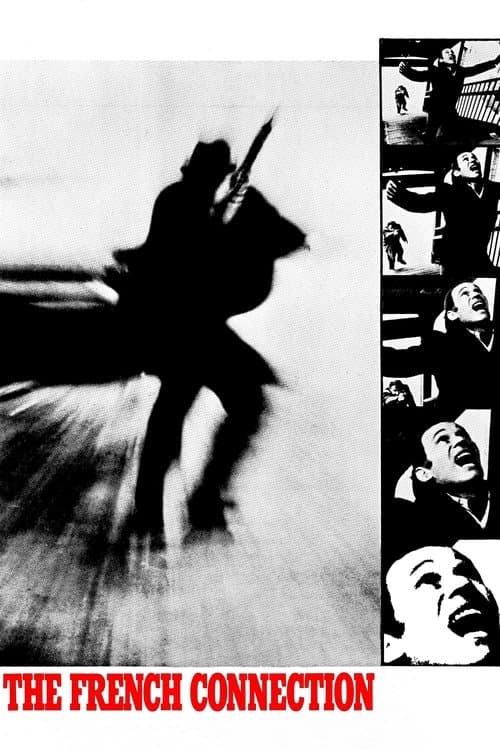
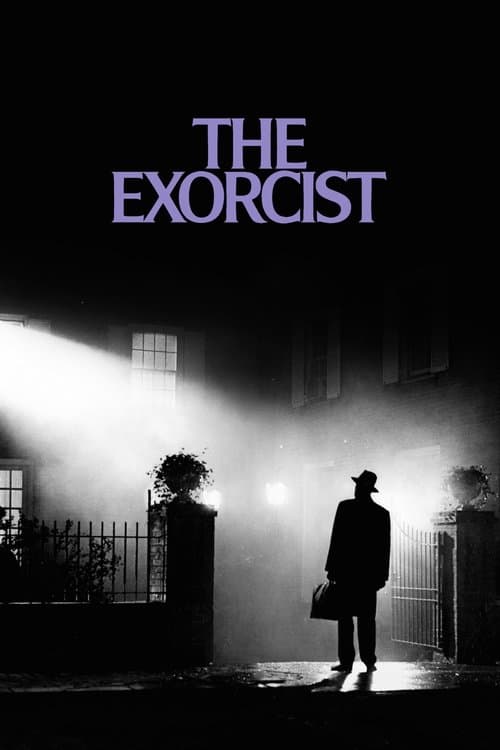
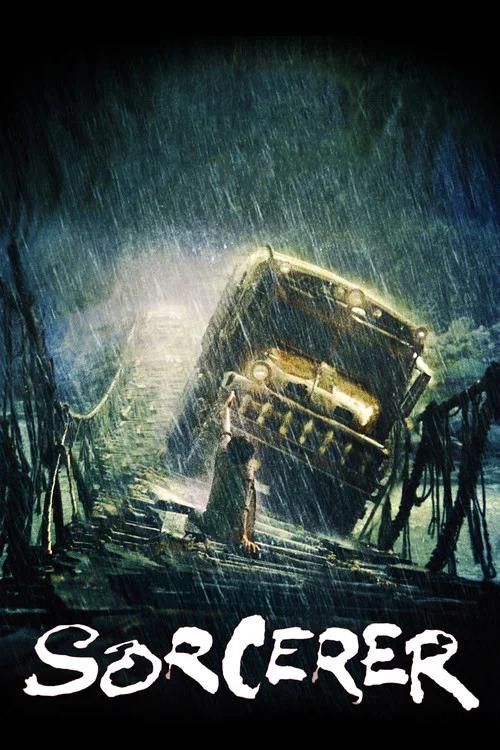
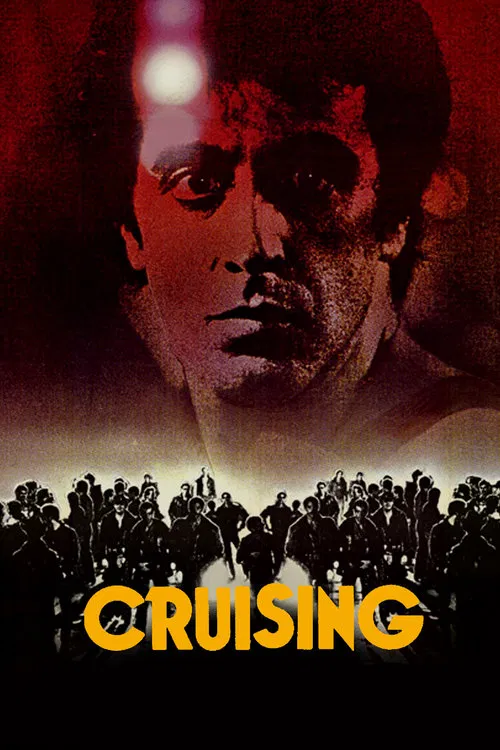
William Friedkin directed Killer Joe, released in 2012. CineCode also covers The French Connection (1971), The Exorcist (1973), Sorcerer (1977), Cruising (1980), To Live and Die in L.A. (1985), Rules of Engagement (2000).
What films are similar to Killer Joe?
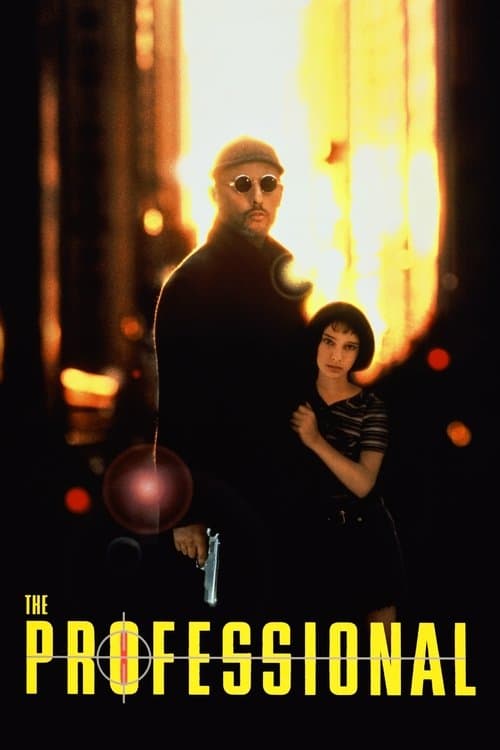
Films that share techniques with Killer Joe include Se7en (1995), Léon: The Professional (1994), No Country for Old Men (2007), Bicycle Thieves (1948).