Cinematography technique · used in 8 films

Scorsese Visual Citation

Copying the camera choices, look and tone of a famous filmmaker or film tradition on purpose. It is an open homage that invites comparison and makes your knowledge of film history part of the meaning.

Examples

8 films that use it

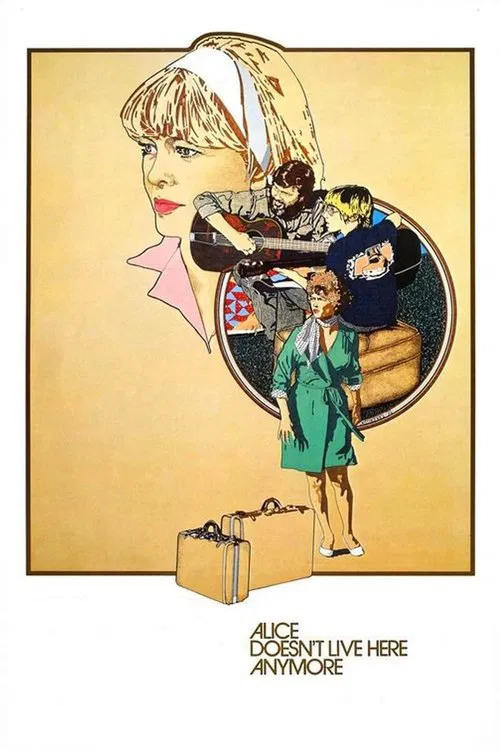
  1. Alice Doesn't Live Here Anymore (1974) poster

    Alice Doesn't Live Here Anymore

    Martin Scorsese · 1974

    The film begins with a 1940s childhood scene shot on a studio set that cost $85,000 and was built in one day. It is tinted a dream-like red and looks like a movie from a different era. After it, the film shifts to the plain Southwest, and you notice how different Alice's real life is.

    Where to see it: The opening childhood scene: a young Alice appears in a red-tinted 1940s world built entirely on a soundstage.
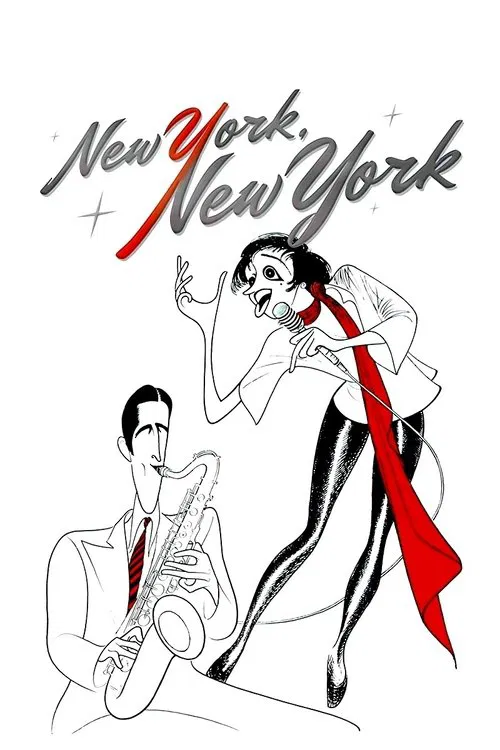
  2. New York, New York (1977) poster

    New York, New York

    Martin Scorsese · 1977

    Scorsese called the film a homage to classical Hollywood musicals, with deliberately artificial sets and storyline. The sets are big and unreal while the actors behave in a rough, natural way. That gap is the whole style of the film.

    Where to see it: The V-J Day opening: Jimmy chases Francine through a crowded, larger-than-life party set.

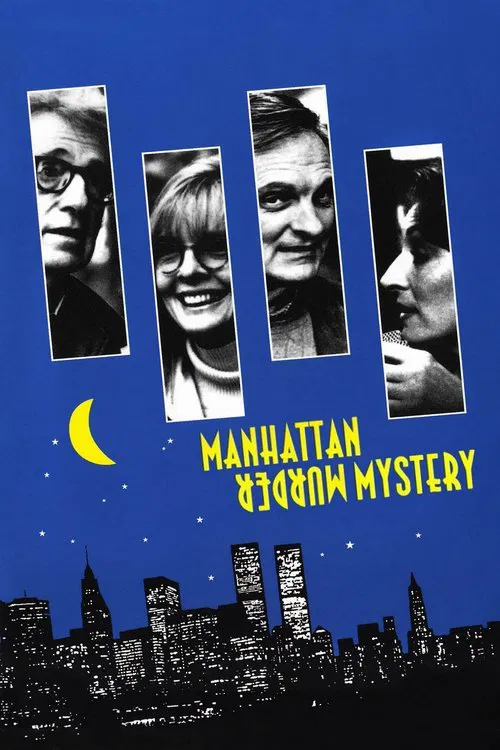
  3. Manhattan Murder Mystery (1993) poster

    Manhattan Murder Mystery

    Woody Allen · 1993

    The shootout in a room of mirrors echoes a similar scene in Orson Welles's The Lady from Shanghai. It is staged as an homage and still works as part of Larry's escape. Fans of old thrillers get a wink.

    Where to see it: The mirror room shootout. Larry dodges gunfire in a hall of mirrors while rescuing Carol.

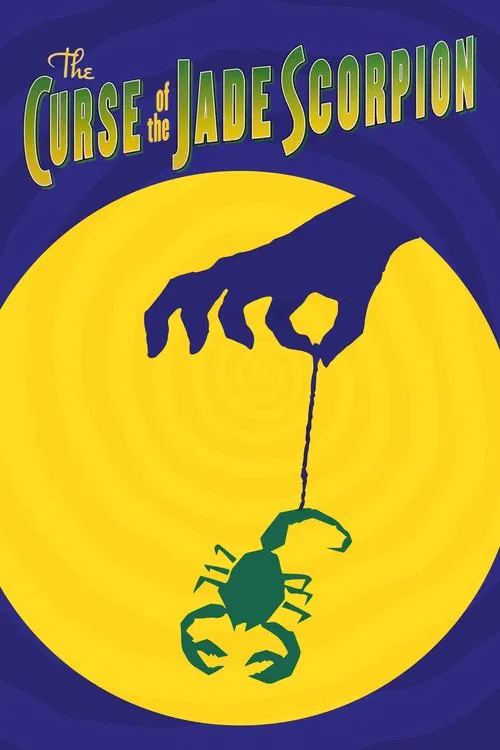
  4. The Curse of the Jade Scorpion (2001) poster

    The Curse of the Jade Scorpion

    Woody Allen · 2001

    Reviewers said the film looks like a vintage film noir made in color. Zhao Fei shot it with period sets, costumes and moody lighting. It looks like the movies of the 1940s, and the color adds a wink.

    Where to see it: The insurance firm. C.W. and the efficiency expert Betty Ann clash in an office that looks like a vintage crime picture.

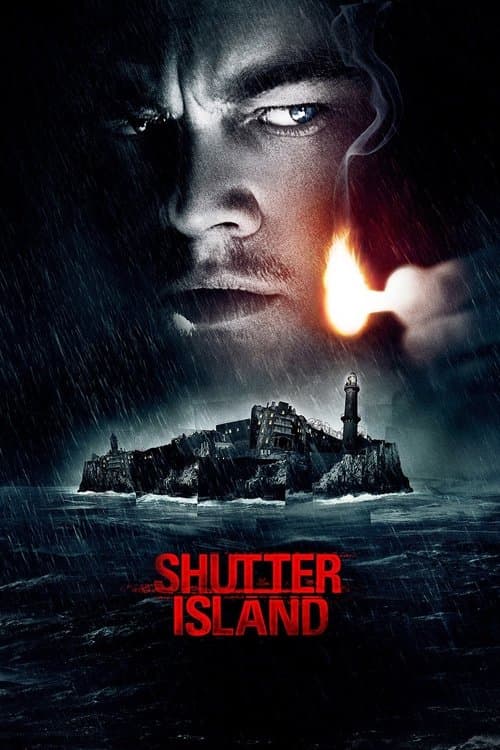
  5. Shutter Island (2010) poster

    Shutter Island

    Martin Scorsese · 2010

    Shutter Island openly borrows from 1940s film noir and horror, including Laura and Val Lewton's low-budget thrillers, and critics compare its plot to The Cabinet of Dr. Caligari, a German Expressionist film from the 1920s full of distorted sets and heavy shadows. Its sets, lighting and framing are deliberate quotations. Scorsese uses the quoting as a genre trap, which goes further than tribute. He builds a film that feels like something you already know how to read. Then he reveals that what you knew was the problem.

    Where to see it: The flashback sequences to the liberation of Dachau at the end of the war. The heightened, stylized look makes the trauma feel like it belongs to cinema's memory as well as Teddy's.

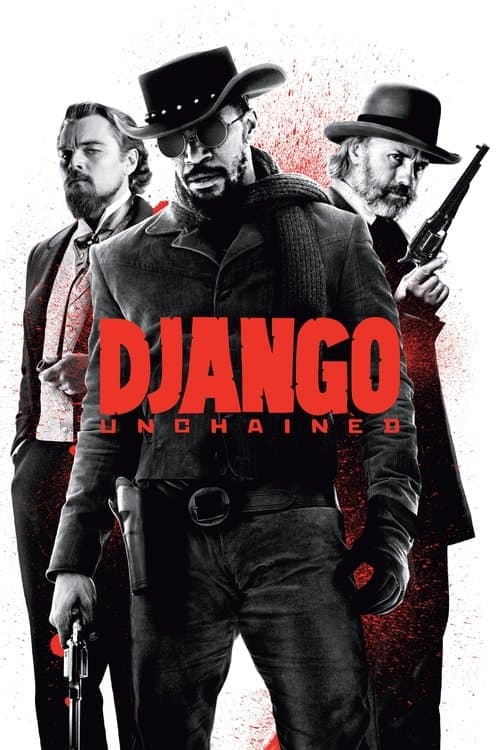
  6. Django Unchained (2012) poster

    Django Unchained

    Quentin Tarantino · 2012

    Robert Richardson's cinematography uses Sergio Leone's techniques throughout. You get the fast zoom into faces during standoffs, the vast sky behind small figures and the close-up on the gun hand. Tarantino makes it obvious that his film belongs to Leone's tradition, and then he turns that tradition's politics in a new direction.

    Where to see it: Django's first appearance as a free man on horseback. The Leone zoom tells you what kind of film this will look like.

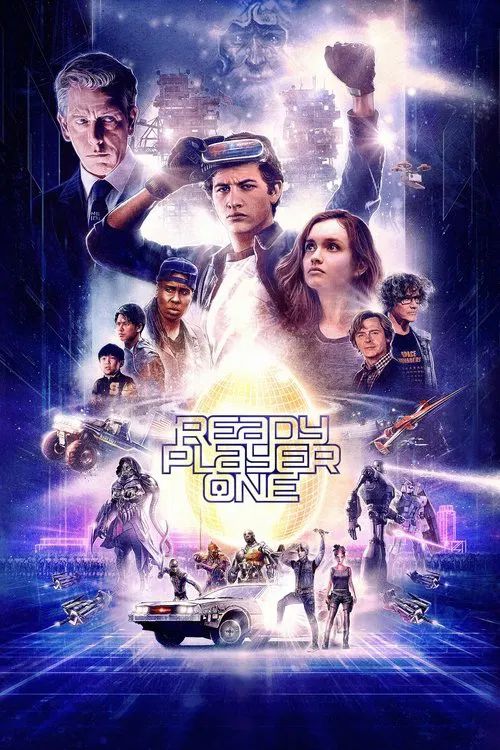
  7. Ready Player One (2018) poster

    Ready Player One

    Steven Spielberg · 2018

    One challenge puts the heroes inside a famous horror film's hotel. You see familiar halls and rooms and know where things are. The recreation turns film knowledge into a puzzle.

    Where to see it: The hotel challenge: The characters enter a virtual version of a haunted hotel from a famous horror film to find a clue.

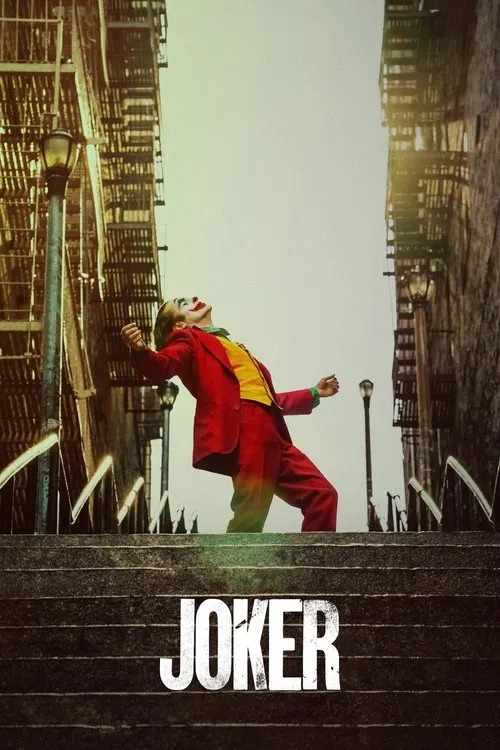
  8. Joker (2019) poster

    Joker

    Todd Phillips · 2019

    Cinematographer Lawrence Sher and Phillips shoot Joker as a deliberate echo of Taxi Driver and The King of Comedy. You get the same rain-soaked New York streets and the same lonely main character, framed from the waist up against the city. You also get the same doubt about what is real and what is fantasy. The echoes tell you Arthur's story belongs in that family of films.

    Where to see it: Arthur walking the streets of Gotham. The framing and lighting are a direct callback to Travis Bickle's New York.

Questions

Quick answers

What is scorsese visual citation in film?
Copying the camera choices, look and tone of a famous filmmaker or film tradition on purpose. It is an open homage that invites comparison and makes your knowledge of film history part of the meaning.
Which films use scorsese visual citation?
Alice Doesn't Live Here Anymore (1974), New York, New York (1977), Manhattan Murder Mystery (1993), The Curse of the Jade Scorpion (2001), Shutter Island (2010), Django Unchained (2012) and 2 more films in the CineCode library.
What kind of technique is scorsese visual citation?
It is a cinematography technique. Related cinematography techniques include Working-Class Geography.