Drama · Comedy · Romance

Alice Doesn't Live Here Anymore

Martin Scorsese, 1974

After her husband dies, Alice sets out with her young son Tommy to pursue her dream of singing. Money keeps stopping her, and she ends up waiting tables in Tucson. Ellen Burstyn recommended Scorsese to direct it, and it is worth watching for how a road-trip story belongs to a woman.

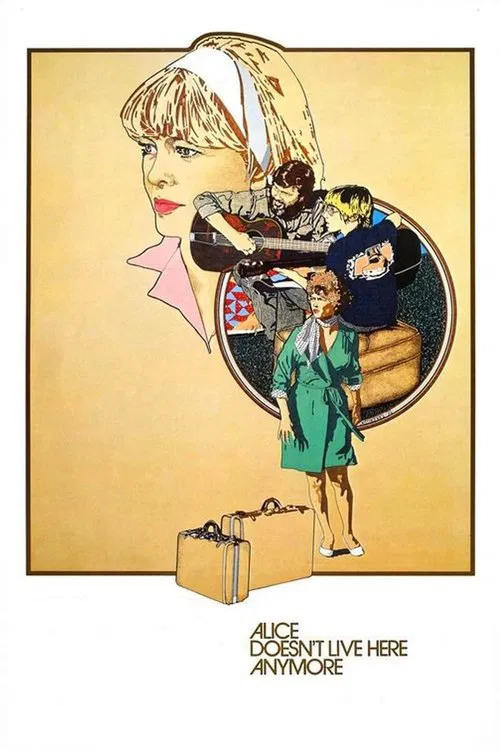
Alice Doesn't Live Here Anymore (1974) poster

At a glance

Alice Doesn't Live Here Anymore is a 1974 drama, comedy and romance film directed by Martin Scorsese. This breakdown covers 5 techniques (2 narrative, 2 cinematography and 1 sound), each with the scene where you can see it. If you like how it is made, Rocky uses several of the same techniques.

Narrative

Female Agency as Structural Default

Putting women at the center as leads, leaders and villains, and letting their choices drive every major plot turn. The story treats this as normal and never makes their gender the subject.

How this film uses it

Alice makes the big turns in the film. She decides to leave town, to leave Ben when he turns violent, and to stay in Tucson. Ellen Burstyn wanted a story told from a woman's side and recommended Scorsese after seeing Mean Streets. Her character is never treated as a special case.

Where to see it

Alice leaves Ben: after he assaults his wife in Alice's apartment and wrecks it, Alice takes Tommy and flees.
Narrative

Redefined Victory

Changing what counts as winning partway through the story, so the hero chases a smaller, personal goal. The ending can then feel like a triumph even when the hero loses.

How this film uses it

Alice's goal is to sing in Monterey. By the end she has a life she did not plan, with a man and a job she likes in Tucson. When David offers to move to Monterey, she chooses to stay. The win is smaller than her dream, and it is hers.

Where to see it

The ending: David offers to sell his ranch and move to Monterey, and Alice chooses to stay in Tucson with him.

Cinematography

Scorsese Visual Citation

Copying the camera choices, look and tone of a famous filmmaker or film tradition on purpose. It is an open homage that invites comparison and makes your knowledge of film history part of the meaning.

How this film uses it

The film begins with a 1940s childhood scene shot on a studio set that cost $85,000 and was built in one day. It is tinted a dream-like red and looks like a movie from a different era. After it, the film shifts to the plain Southwest, and you notice how different Alice's real life is.

Where to see it

The opening childhood scene: a young Alice appears in a red-tinted 1940s world built entirely on a soundstage.

Sound

Diegetic Musical Performance

Letting characters perform the songs on screen, so the music comes from their own hands and voices. You hear the song and the performer's nerves at the same time.

How this film uses it

Alice sings standards by Rodgers and Hart and the Gershwins in lounge shows. These numbers show the talent she is chasing and how small her stage has become. The songs tell you about her dream and her limits.

Where to see it

The Phoenix lounge: Alice works as a lounge singer while she saves money for the trip to Monterey.

Cinematography

Working-Class Geography

Using specific working-class parts of a city, like its bars, docks and construction sites, to define the characters. The places show who they are expected to be and what leaving would cost.

How this film uses it

Much of the film happens in Mel's diner in Tucson, where Alice works next to Flo and Vera. The booths, the counter and the grill give Alice a new community. The place tells you what her days are like and who she belongs with.

Where to see it

Mel's diner: Alice waits tables next to the outspoken Flo and the timid Vera.

Questions

Alice Doesn't Live Here Anymore: quick answers

What filmmaking techniques does Alice Doesn't Live Here Anymore use?
CineCode breaks down 5 techniques in Alice Doesn't Live Here Anymore (1974): Female Agency as Structural Default, Redefined Victory, Scorsese Visual Citation, Diegetic Musical Performance and Working-Class Geography.
Who directed Alice Doesn't Live Here Anymore?
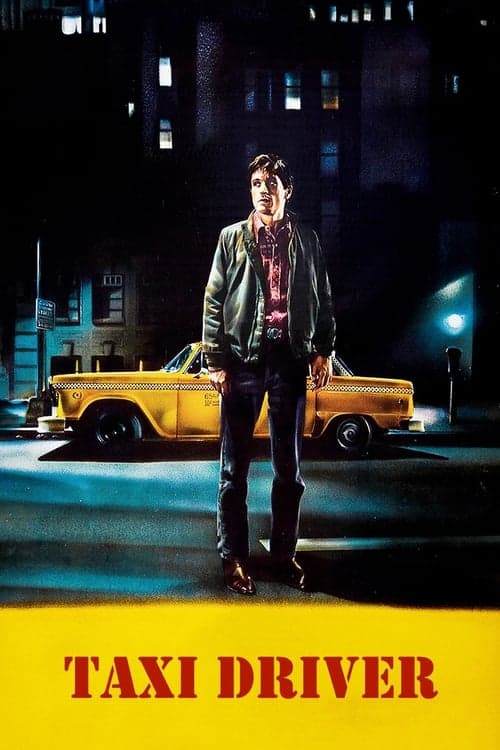
Martin Scorsese directed Alice Doesn't Live Here Anymore, released in 1974. CineCode also covers Mean Streets (1973), Taxi Driver (1976), New York, New York (1977), Raging Bull (1980), The King of Comedy (1982), After Hours (1985).
What films are similar to Alice Doesn't Live Here Anymore?
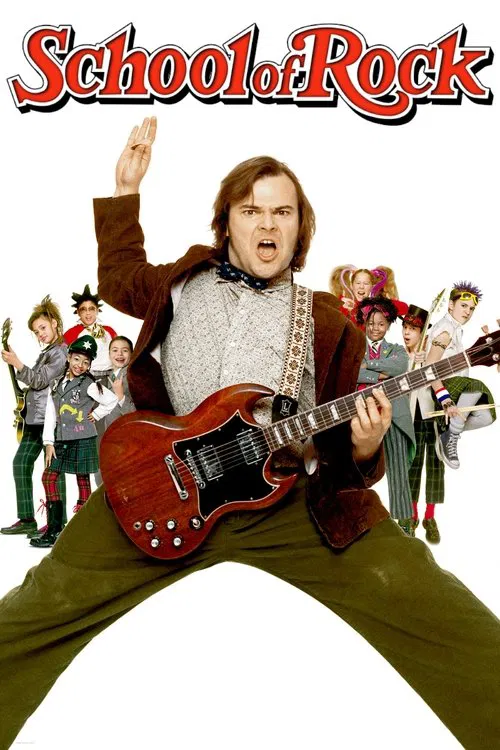
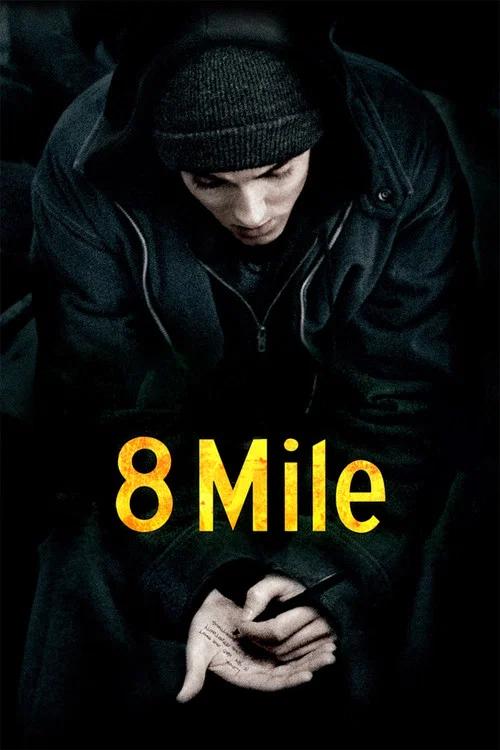
Films that share techniques with Alice Doesn't Live Here Anymore include Rocky (1976), The Color of Money (1986), The School of Rock (2003), 8 Mile (2002).