Dialogue that does the work of plot
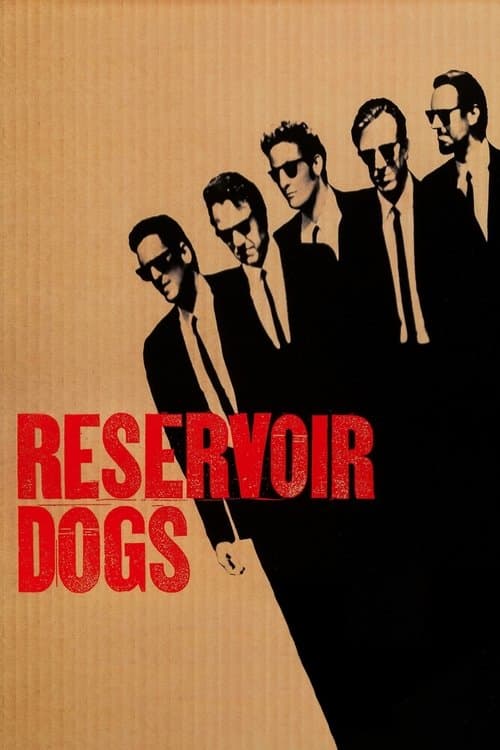
Reservoir Dogs (1992) opens in a diner where the crooks argue about Madonna's Like a Virgin and tipping. It goes on for several minutes before anyone mentions the job. By then, you know who they are from how they talk.
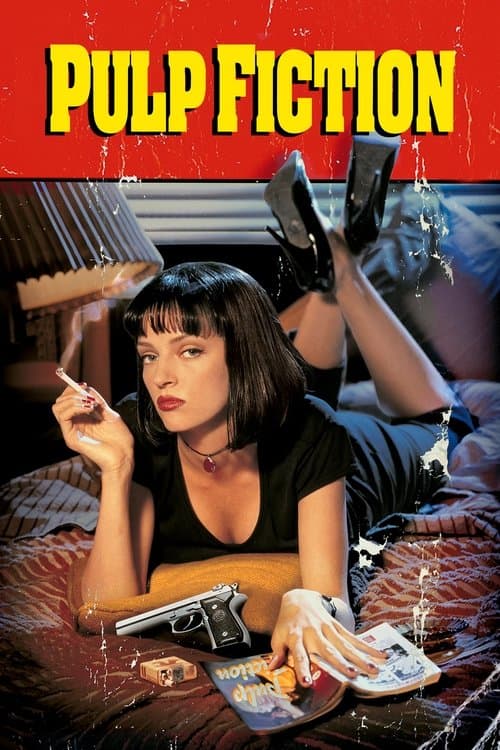
Pulp Fiction (1994) keeps that going. Vincent and Jules talk about foot massages and McDonald's menu names in a hallway before they go into an apartment to kill people. Their breakfast talk about miracles plays as a long take, and the editing stays out of the way of a good performance.
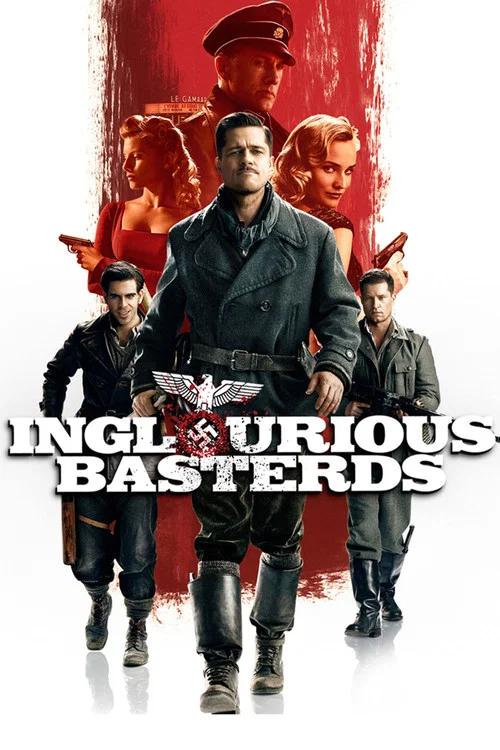
Inglourious Basterds (2009) uses a conversation as a pressure cooker. In the farmhouse opening, Hans Landa and a French farmer talk for about 20 minutes, and it ends in a massacre. Every second builds toward something you dread. Landa's speeches show a man who understands that reality is a performance.
Time, and what he won't show
Reservoir Dogs never shows the heist. You get scattered scenes from before and after, so you piece it together from shaken witnesses. The film starts in the diner, then cuts straight to Mr. White and Mr. Orange bleeding in a moving car. Most of the action takes place in one warehouse, and the Mexican standoff gets its tension from where three men stand in one plain room.
The ear scene is famous for violence, yet the actual cutting happens off screen. Tarantino pans away to an empty warehouse wall, and what you don't see is worse.
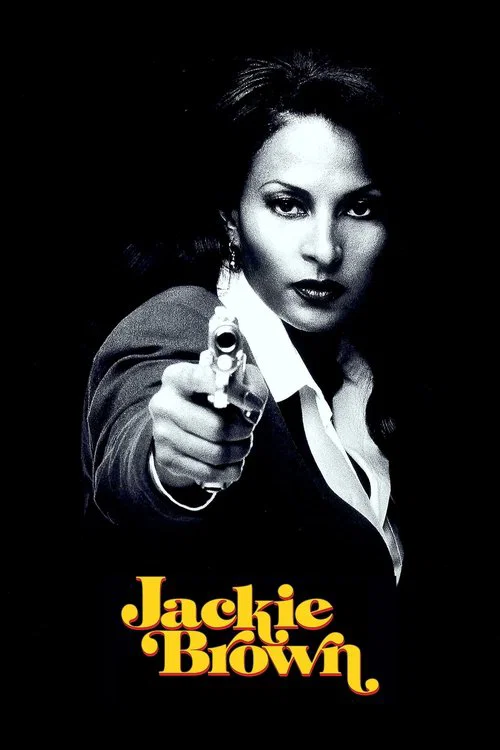
Jackie Brown (1997) uses time differently. The mall money exchange plays three times, following Jackie, then Louis and Melanie, then Max. Each version fills in what the others couldn't see, and by the third you know more than any character does. The film also gets its swagger from old songs. Bobby Womack's Across 110th Street plays over Jackie's airport walk, and the casting of Pam Grier puts her old roles behind every scene.
Borrowing genres out loud
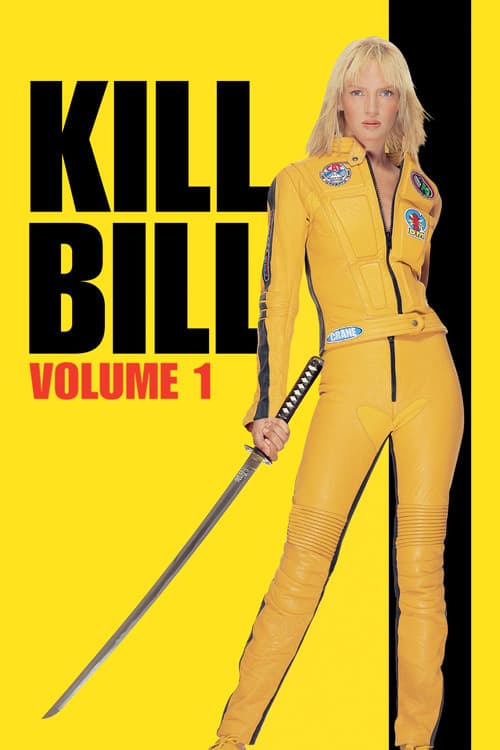
Kill Bill: Volume 1 (2003) jumps between martial arts, spaghetti western, anime and samurai cinema. The House of Blue Leaves cycles through several in one long set piece. O-Ren Ishii's backstory is told entirely in anime, which tells you it's too extreme for the live-action style. The blood is theatrical and nowhere near realistic, so you know you're in myth and not a crime story.
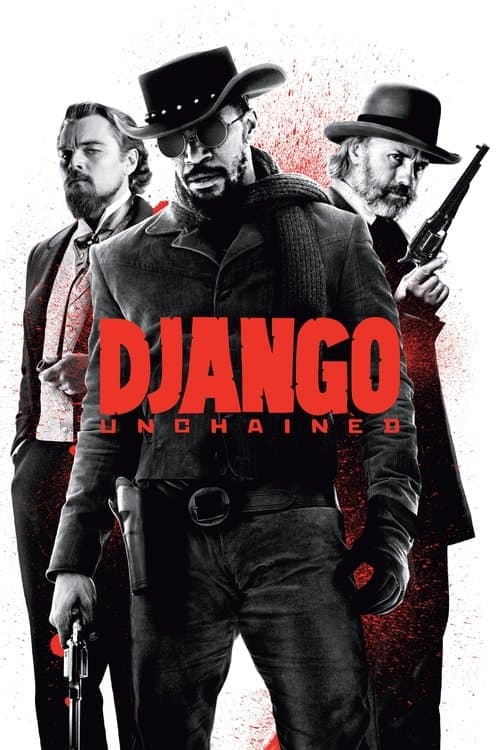
Django Unchained (2012) leans on Sergio Leone. You get the slow zoom into faces, the huge sky behind small figures and the close-up on the gun hand. Then Tarantino points that tradition at a slavery revenge story with a Black hero at the center.
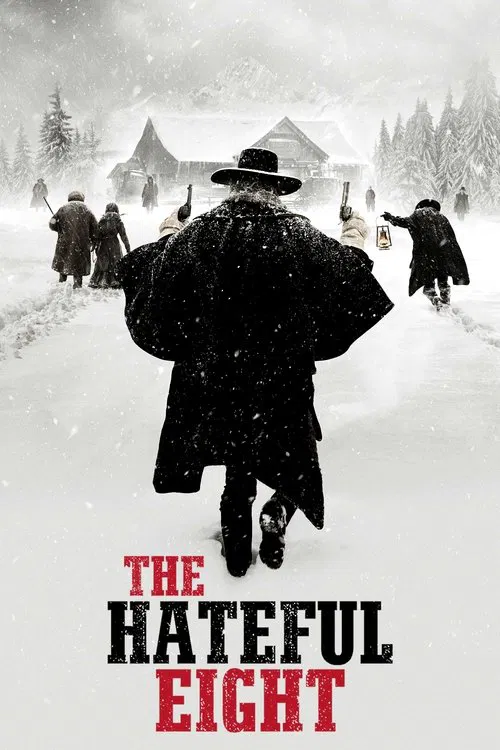
The Hateful Eight (2015) takes the Western into one cabin and shoots it on giant 70mm film. The wide frame holds the whole room at once, so you can watch everyone's reaction. Outside, tiny figures stand against the snow. Ennio Morricone's score sets the dread before anyone speaks. A flashback late in the film shows that several men were already at the cabin, and that changes every friendly exchange before it.
Songs from the wrong decade
Tarantino picks songs like a DJ. Django rides through the snow to Jim Croce's I Got a Name, a 1970s song over a pre-Civil War landscape. The wrong era is on purpose, and it argues that this history is still with us.
In Inglourious Basterds, David Bowie plays while Shosanna gets ready for the cinema's final night. It's 1944 Paris with a 1980s mood, as if the film were watching the past through modern eyes.
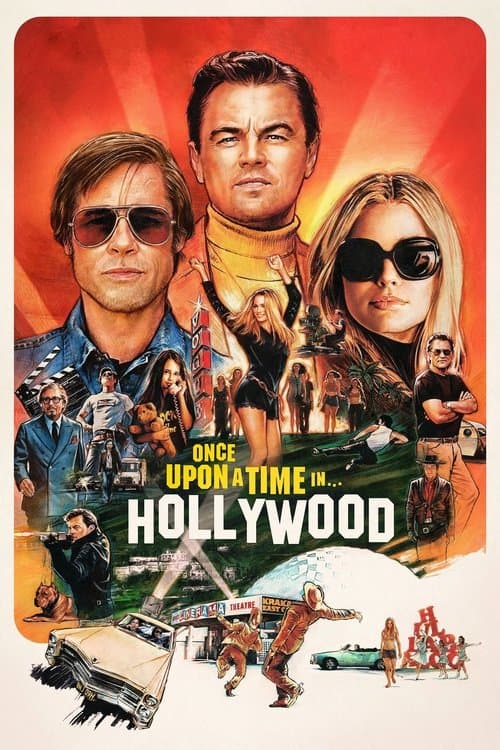
Once Upon a Time in Hollywood (2019) goes the other way and sticks to 1969 AM radio, with Paul Revere, Deep Purple and Jose Feliciano. The songs mark a moment that's about to end. The film shoots Hollywood in warm, faded tones, like old Kodachrome, so it feels like the last photograph before an ending.
Fixing history with a movie
Basterds and Once Upon a Time in Hollywood both rewrite real events. In Basterds, Shosanna's revenge burns through the screen. The film playing inside the film becomes the weapon that kills Hitler and the Nazi high command in a Paris cinema. Her laughing face is projected on the screen as the Nazis burn. The pleasure you feel is the film's subject.
In Once Upon a Time in Hollywood, the final act rewrites the Tate murders. When the Manson Family arrives at Cielo Drive, Cliff turns it around on them in a darkly comic burst of violence. Tarantino uses the movies' power to protect Sharon Tate's memory.
Django's violence is meant to be too much, since the history was too much. In the Mandingo fight, you get no visual comfort.
Real stunts and a scratched print
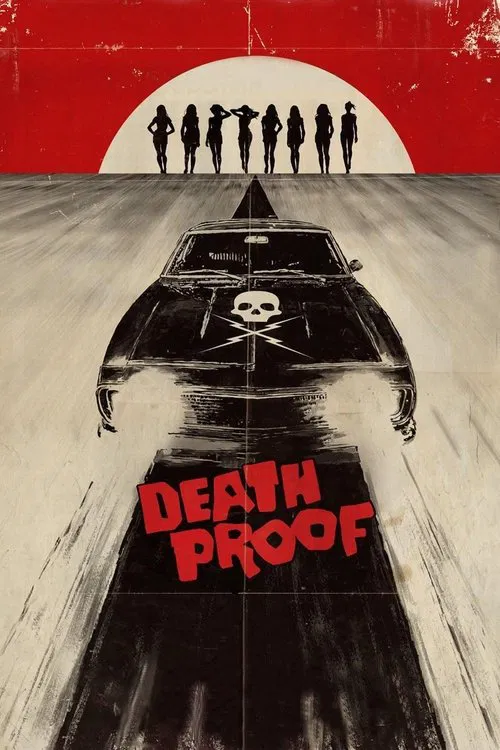
Death Proof (2007) looks like a damaged 1970s exploitation print, and a title card stands in for a missing reel. It sets you up for a late-night double feature. The first half plays like a slasher, and the second like a revenge chase, and Tarantino never blends the tones. The women in the second half have to pay off the dread of the first.
The stunts are real. Tarantino has criticized CGI car stunts, and Zoe Bell rides the hood of a speeding car while Stuntman Mike rams it. You can feel the danger. Women drive both halves, and the film doesn't make a speech about it.
How to use this when you watch
When you watch a Tarantino film, pay attention to the first talky scene and what it tells you about the people. Ask what the film is hiding from you and which old movie it's borrowing from. Then listen to the song choices, because they usually say what the scene won't.
More guides
- Film Noir Lighting Explained: 8 Films That Nail It
- How Directors Build Suspense: 8 Films That Show You How
- Unreliable Narrator Movies Explained: 9 Films That Fool You
- Non-Linear Movies Explained: 8 Films Told Out of Order
- Long Takes and Oners Explained: 9 Famous One-Shot Scenes
- How Color Tells the Story: 9 Films With Meaningful Palettes