Comedy · Mystery · Crime

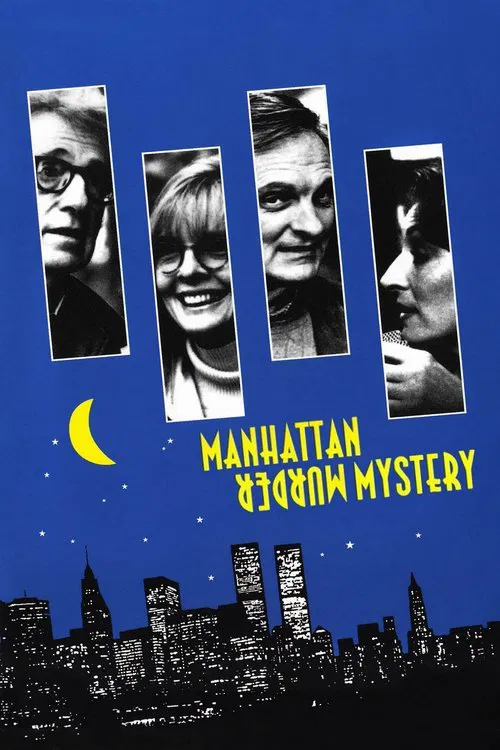
Manhattan Murder Mystery

Woody Allen, 1993

When a neighbor dies suddenly, Carol becomes convinced a neighbor murdered his wife. Her husband thinks she is imagining it, but the odd clues keep piling up. Watch how Allen mixes marriage comedy with an actual noir thriller.

Manhattan Murder Mystery (1993) poster

At a glance

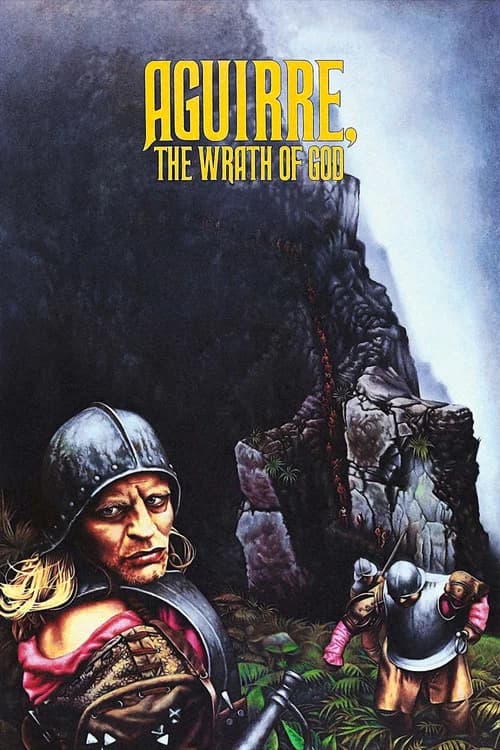
Manhattan Murder Mystery is a 1993 comedy, mystery and crime film directed by Woody Allen. This breakdown covers 5 techniques (2 narrative, 2 cinematography and 1 sound), each with the scene where you can see it. If you like how it is made, Aguirre, the Wrath of God uses several of the same techniques.

Narrative

Genre Collage

Mixing several genres in 1 film, such as crime, romance, horror and absurd comedy. The clash between them keeps you from settling into a single way of watching.

How this film uses it

A husband and wife bicker like a sitcom couple. A murder plot builds around them, and the climax is a noir-style shootout in a movie theater. The film moves between marriage comedy, detective story and crime thriller. You are never allowed to settle into one tone.

Where to see it

The elevator. Carol is trapped in the hotel elevator, and when she tries the emergency panel a body drops through the opening.
Cinematography

Handheld Cinema Vérité

Shooting with a handheld camera so the frame shakes and moves with the action. This documentary-style look, called cinema vérité, puts you uncomfortably close to the character.

How this film uses it

Carlo Di Palma used handheld cameras. The movement keeps the apartment scenes loose and makes the chase feel unplanned. You feel like you are right there with the couple.

Where to see it

The apartment arguments. Larry and Carol argue at home while the camera drifts with them.

Narrative

Obsession as Structural Engine

Building the whole plot on one character's fixation with a person, goal or rival. Every scene ties back to it, and the obsession keeps feeding itself while it destroys them.

How this film uses it

Carol's fixation on her neighbor drives every scene. She finds an urn that contradicts his story and keeps investigating. Her friend Ted and then her husband are pulled in. The obsession keeps feeding itself.

Where to see it

The urn. Carol finds a crematory urn that contradicts the neighbor's account of what happened to his wife.

Cinematography

Scorsese Visual Citation

Copying the camera choices, look and tone of a famous filmmaker or film tradition on purpose. It is an open homage that invites comparison and makes your knowledge of film history part of the meaning.

How this film uses it

The shootout in a room of mirrors echoes a similar scene in Orson Welles's The Lady from Shanghai. It is staged as an homage and still works as part of Larry's escape. Fans of old thrillers get a wink.

Where to see it

The mirror room shootout. Larry dodges gunfire in a hall of mirrors while rescuing Carol.

Sound

Sound as Plot Device

Making a sound, voice or call drive the story itself. A phone line, a mimicked noise or a spliced recording changes what characters do or believe.

How this film uses it

Ted records lines from a fake audition for a woman called Helen Moss and splices them into a phone call. It is meant to trick the neighbor Paul into incriminating himself. You hear the trick being assembled, so you know what is fake.

Where to see it

The phone call. Ted stages a fake audition for Helen and cuts the recording into a call meant to lure Paul.

Questions

Manhattan Murder Mystery: quick answers

What filmmaking techniques does Manhattan Murder Mystery use?
CineCode breaks down 5 techniques in Manhattan Murder Mystery (1993): Genre Collage, Handheld Cinema Vérité, Obsession as Structural Engine, Scorsese Visual Citation and Sound as Plot Device.
Who directed Manhattan Murder Mystery?
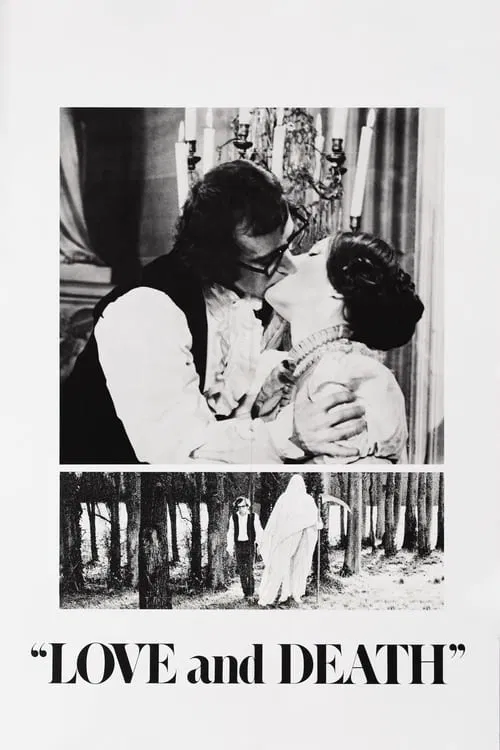
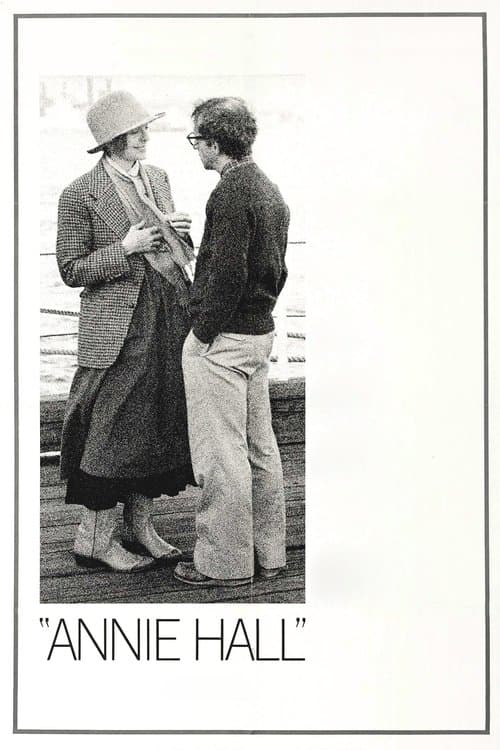
Woody Allen directed Manhattan Murder Mystery, released in 1993. CineCode also covers Take the Money and Run (1969), Bananas (1971), Everything You Always Wanted to Know About Sex *But Were Afraid to Ask (1972), Sleeper (1973), Love and Death (1975), Annie Hall (1977).
What films are similar to Manhattan Murder Mystery?
Films that share techniques with Manhattan Murder Mystery include Aguirre, the Wrath of God (1972), Zero Dark Thirty (2012), Hannibal (2001), The Curse of the Jade Scorpion (2001).