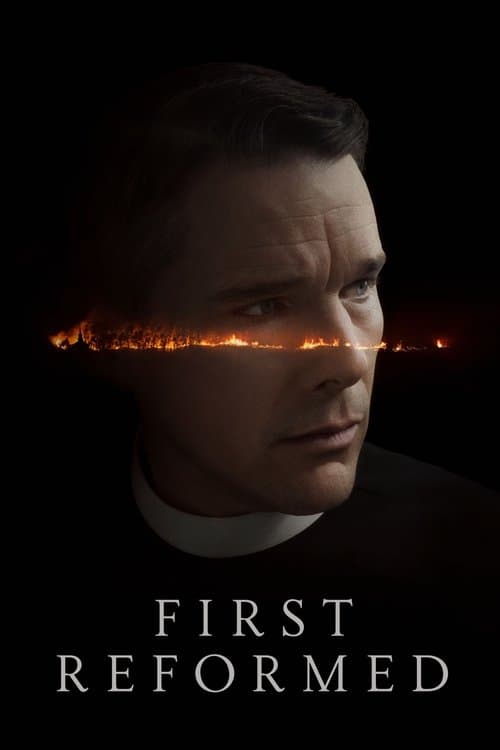
First Reformed
Paul Schrader · 2017
A minister at a small historic Dutch Reformed church in upstate New York counsels a young environmental activist and is radicalized by his encounter with ecological despair — moving toward an act of violence that he frames as spiritual self-immolation. Paul Schrader's film is a diary of a man in theological crisis.
Techniques Used
4 techniques identified in this film
Theological Silence Design
SoundThe use of silence and ambient sound as a theological statement — the absence of music encoding the absence of divine response, the world's sounds becoming a form of unanswered prayer.
How this film uses it
Schrader scores First Reformed almost entirely without music — the church's quiet, the upstate winter's ambient stillness — using silence as the formal equivalent of the God who does not answer Toller's increasingly desperate prayers.
Deteriorating Diary Voiceover
NarrativeA first-person voiceover structured as journal entries that progressively reveal the narrator's psychological deterioration, the voice's increasing unreliability charting the collapse of the rationality it claims to represent.
How this film uses it
Toller's journal voiceover — measured, theological, precise — begins as spiritual reflection and moves toward justification for violence, the formal consistency of the diary structure making the radicalization more disturbing because the voice never sounds unhinged.
Deliberate Close-Up Performance
CinematographyExtended use of tight facial framing to capture micro-expressions, making the audience hyper-aware of suppressed emotion.
How this film uses it
Alexander Dynan's photography stays close to Ethan Hawke's face throughout — the camera documenting the small increments of a man's conversion to certainty, the performance's micro-expressions carrying more information than the voiceover that accompanies them.
Minimalist Widescreen Staging
CinematographyThe use of a widescreen frame to emphasize negative space and the isolation of figures within an environment, the composition's emptiness a formal statement about loneliness.
How this film uses it
Schrader shoots in Academy ratio — a deliberate anachronism that makes the frame feel like a cell or a confessional, the boxy format enclosing Toller in a world that offers no peripheral vision, no escape into the widescreen expansiveness of American optimism.
You Might Also Like
Films that share at least one technique with First Reformed

In a Britain ravaged by the Rage virus, a young survivor is captured by a roving Satanic cult while a scientist makes an unprecedented connection with an infected host. Written by Alex Garland, directed by Nia DaCosta — a sequel that deliberately dismantles the visual grammar of its predecessor.
28 Years Later: The Bone Temple
Nia DaCosta · 2026

A destitute samurai arrives at a feudal lord's estate requesting permission to commit ritual suicide, but begins telling a devastating story that systematically dismantles the clan's mythology of honor from within. A film about institutional hypocrisy and the violence concealed beneath codes of duty.
Harakiri
Masaki Kobayashi · 1962
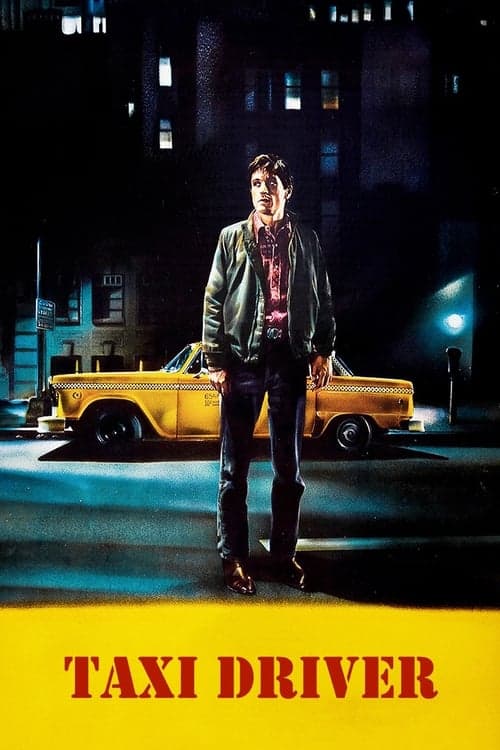
A mentally unstable Vietnam veteran drives a cab through the seething streets of New York, his disgust with the city's corruption curdling into a violent fantasy of purification. One of cinema's most unsettling studies of radicalization and masculine psychosis.
Taxi Driver
Martin Scorsese · 1976