Narrative technique · used in 22 films

Direct Address

Having a character look into the camera and speak to the audience, also called breaking the fourth wall. It makes you feel like their confidant and reminds you this is a film.

Examples

22 films that use it

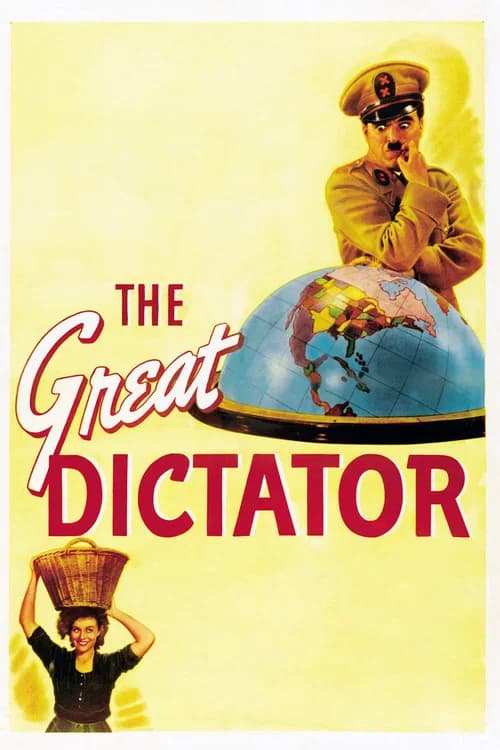
  1. The Great Dictator (1940) poster

    The Great Dictator

    Charlie Chaplin · 1940

    The final speech breaks every rule of fiction. The Barber turns into Chaplin himself, a man speaking straight to the world in 1940 about fascism, hope and what people could be. I feel like this is the film's most formal moment and its most human one. The comedian puts the comedy down to say what he means.

    Where to see it: The final speech. Chaplin looks into the camera and drops the story. The message goes to the real audience the film was always made for.
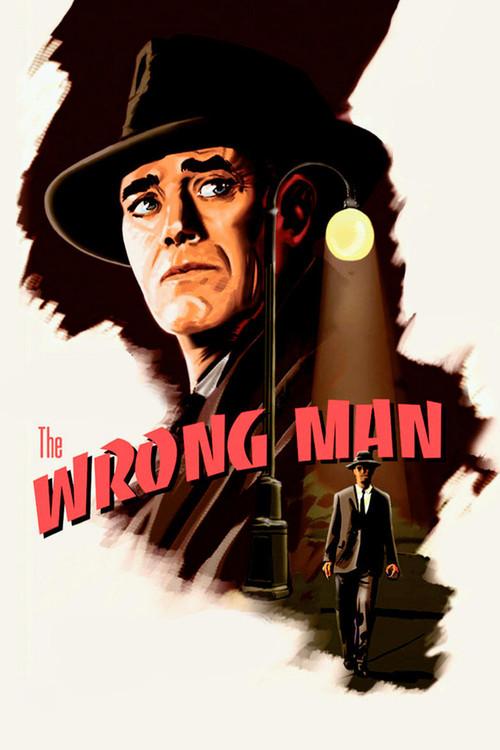
  2. The Wrong Man (1956) poster

    The Wrong Man

    Alfred Hitchcock · 1956

    Before the credits, Hitchcock appears in silhouette in a darkened studio and tells you the story is true. It is a short, quiet piece of speaking to the audience, and it sets a serious tone. You are told to treat what follows as fact.

    Where to see it: The prologue. Hitchcock stands in silhouette and tells the audience that what they are about to see is a true story.

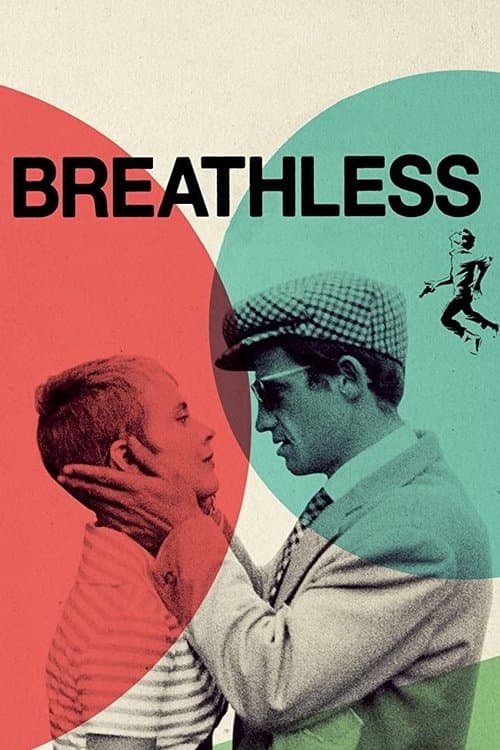
  3. Breathless (1960) poster

    Breathless

    Jean-Luc Godard · 1960

    Patricia glances at the camera once, deliberately and without explanation. The look breaks the film's fiction and makes you part of what you are watching, which turns out to be a film about watching a man and a woman. Godard uses the look to question how you know what you are seeing, and he plays it completely straight.

    Where to see it: Patricia's glance to camera. The film admits that it is a film, and suddenly your own act of watching is the thing under examination.

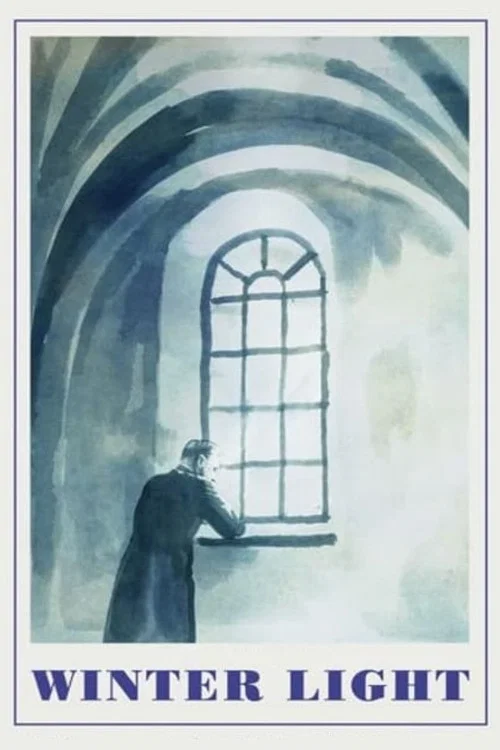
  4. Winter Light (1963) poster

    Winter Light

    Ingmar Bergman · 1963

    Märta's letter to Tomas is read to the camera, so her eyes meet yours. You become the person she is speaking to, and it is hard to look away. The scene makes you feel Tomas's guilt.

    Where to see it: Märta's letter: Märta, Tomas's former lover, reads the letter describing his neglect and her disappointment in his faith.

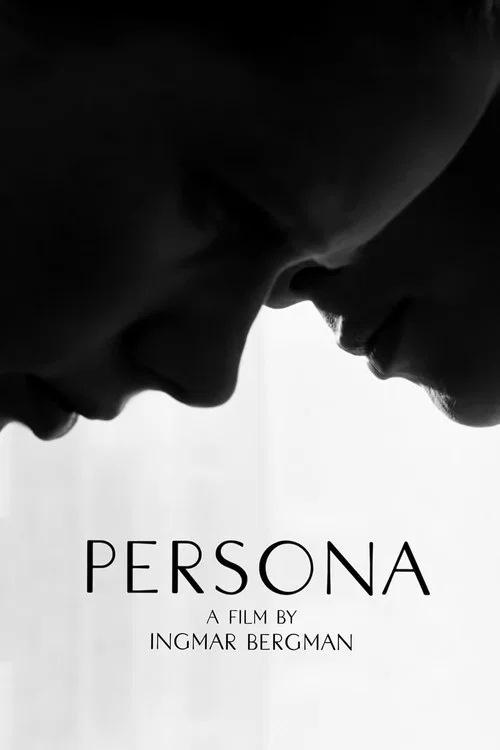
  5. Persona (1966) poster

    Persona

    Ingmar Bergman · 1966

    Elisabeth Vogler stares straight into the camera at several points. She says nothing and just looks. Her gaze breaks through the fiction, and nothing explains or resolves it. You realize the film is looking back at you, and it is as hard to read as you have found her silence.

    Where to see it: Elisabeth's direct stares into the camera. The actress's gaze breaks the fiction. The look pulls the audience into the film's question of who is watching whom.

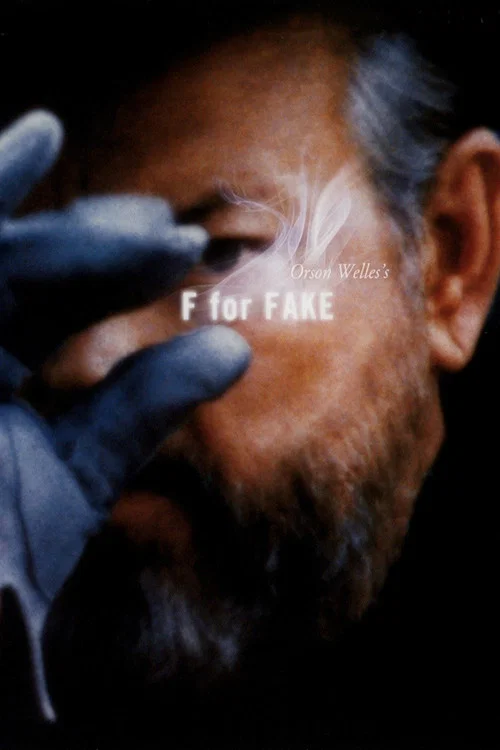
  6. F for Fake (1973) poster

    F for Fake

    Orson Welles · 1973

    Welles talks straight to you, with a showman's grin. His easy confidence makes you want to believe whatever he says next.

    Where to see it: The opening: Welles does magic for children and promises that everything he says in the next hour is true.

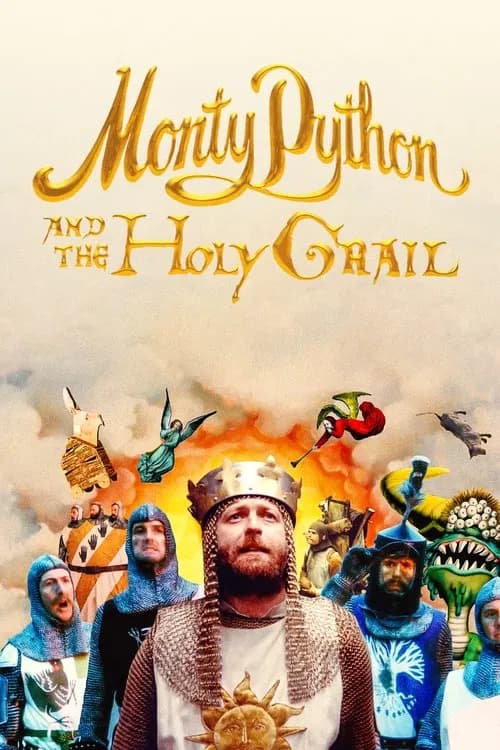
  7. Monty Python and the Holy Grail (1975) poster

    Monty Python and the Holy Grail

    Terry Gilliam, Terry Jones · 1975

    The Pythons keep reminding you that this is a film. When a knight murders the historian, it is treated as a plot event with legal consequences in the real world, and the police finally shut down the film itself. The rules of filmmaking are just as open to being broken as the rules of the genre.

    Where to see it: The ending. The police arrest Arthur and Bedevere for the historian's murder and break the camera, and the film stops. Breaking the fourth wall here becomes the way the story ends.

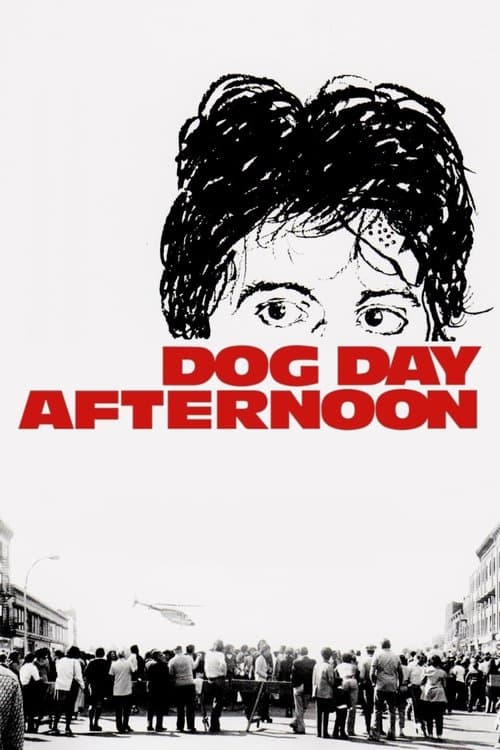
  8. Dog Day Afternoon (1975) poster

    Dog Day Afternoon

    Sidney Lumet · 1975

    Al Pacino's Sonny plays to the street crowd from time to time, and by extension to the camera. His desperation turns into a performance, and it gets hard to tell the criminal from the entertainer.

    Where to see it: 'Attica! Attica!'. Sonny's chant to the crowd turns the street into a stage and the heist into political theater.

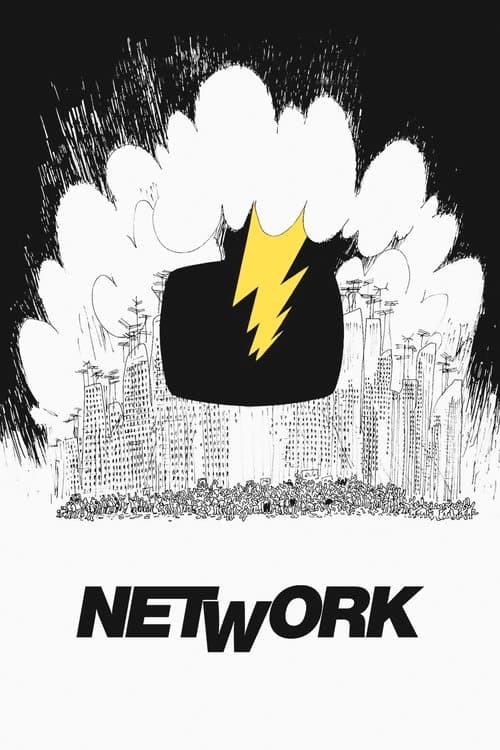
  9. Network (1976) poster

    Network

    Sidney Lumet · 1976

    Beale's live television speeches are aimed at his fictional studio audience and at the cinema audience watching him, both at once. When he demands that viewers shout 'I'm mad as hell,' he is talking to both. Lumet turns the camera into the television and the theater into the living room.

    Where to see it: The 'I'm mad as hell' broadcast. Beale speaks to camera and viewers across the city answer by shouting from their windows. Speaking straight to the lens erases the line between the fictional TV audience and the real one in the cinema.

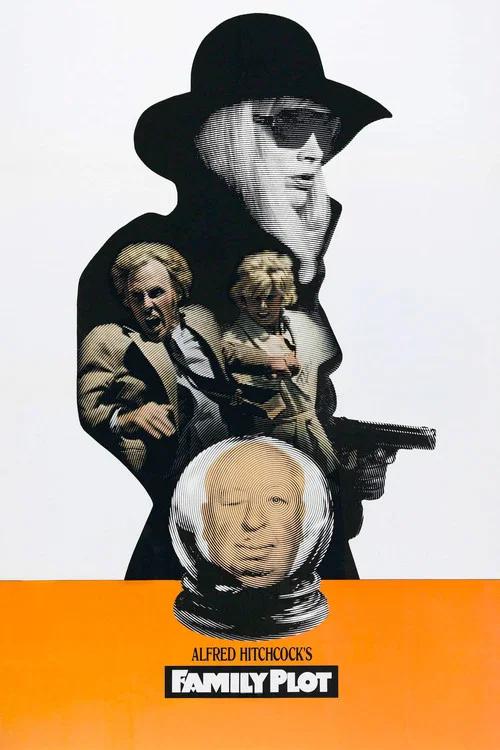
  10. Family Plot (1976) poster

    Family Plot

    Alfred Hitchcock · 1976

    The final shot is Blanche winking at the camera. It makes you part of the joke and leaves the question of her powers open. It is a light, playful sign-off for Hitchcock's last film.

    Where to see it: The ending. After George calls the police, Blanche smiles and winks straight at the camera.

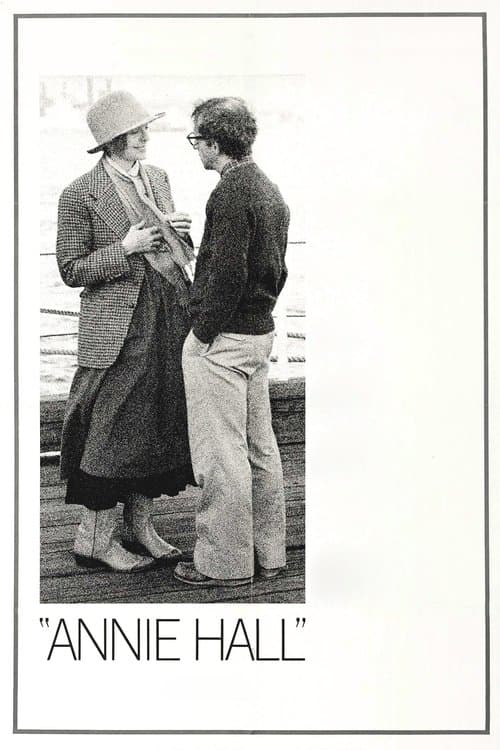
  11. Annie Hall (1977) poster

    Annie Hall

    Woody Allen · 1977

    Alvy Singer talks to the camera constantly. He does it from the opening joke about not wanting to belong to any club, through his corrections and asides, to his final summary of the relationship. Speaking to you directly makes you his analyst, his therapist and his jury at the same time. The film is structured as a monologue delivered to you.

    Where to see it: The opening. Alvy speaks straight to camera before any part of the story has been set up. The fourth wall, the invisible barrier between film and audience, is gone from the first frame.

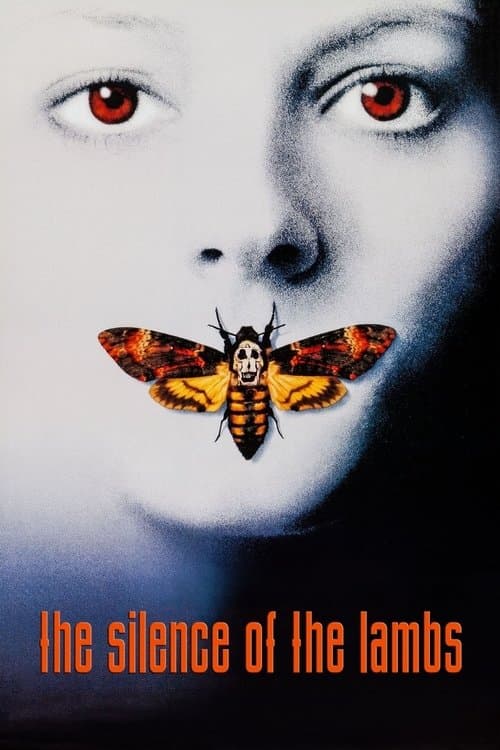
  12. The Silence of the Lambs (1991) poster

    The Silence of the Lambs

    Jonathan Demme · 1991

    Demme shoots nearly every dialogue scene with characters looking straight into the lens. It's most disturbing with Lecter, since you become the person he is talking to. Nevertheless, it applies to Clarice too, and her vulnerability feels like it is aimed at you personally.

    Where to see it: Lecter's first meeting with Clarice. His eyes are on the lens, and he studies you as much as he studies her.

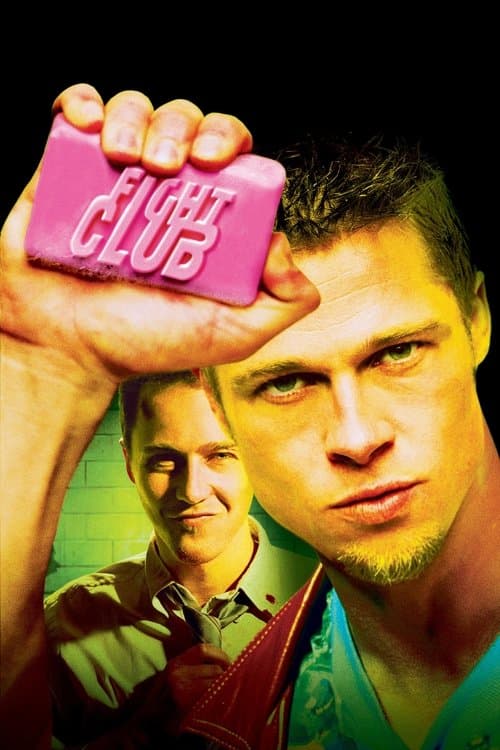
  13. Fight Club (1999) poster

    Fight Club

    David Fincher · 1999

    The Narrator's voiceover often talks to 'you' directly, and Tyler himself points out the cigarette burn, the cue mark for a reel change, midway through the film. That makes you a partner in a set of ideas the film has seduced you into agreeing with.

    Where to see it: Tyler's 'first rule of Fight Club' speech. The acknowledgment comes later, midway through the film, when Tyler points out the cue mark.

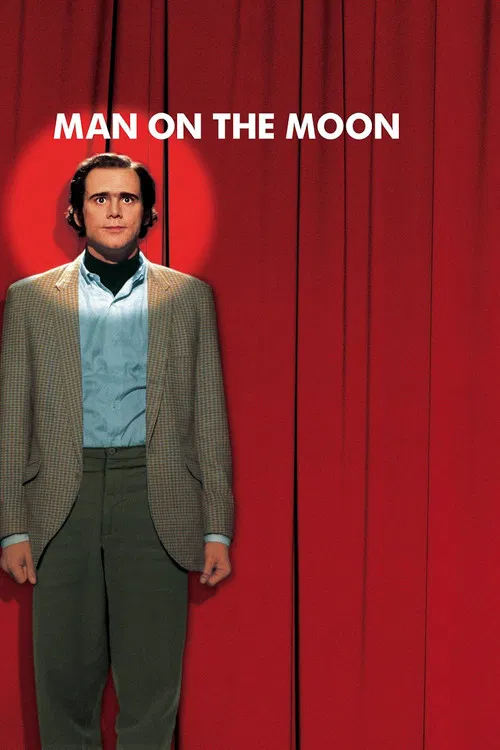
  14. Man on the Moon (1999) poster

    Man on the Moon

    Miloš Forman · 1999

    Before the story starts, Carrey as Kaufman looks into the camera and tells you the movie is over, then plays the credits. It tells you the film will play games with you, the same way Kaufman did with his crowds.

    Where to see it: The opening gag. A black and white Kaufman faces the camera, says the film has been cut short, and runs the closing credits.

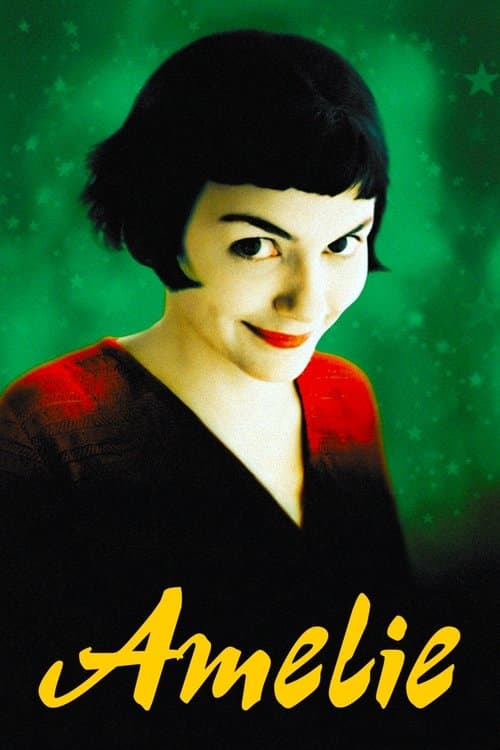
  15. Amélie (2001) poster

    Amélie

    Jean-Pierre Jeunet · 2001

    Now and then, Amélie looks straight at the camera during her schemes and shares her delight with you like a partner in crime. That look makes you part of her meddling. You're in on the game, which is exactly the warmth the film is built to create.

    Where to see it: Amélie's glances to camera during her matchmaking schemes. The conspiratorial look pulls you into her world.

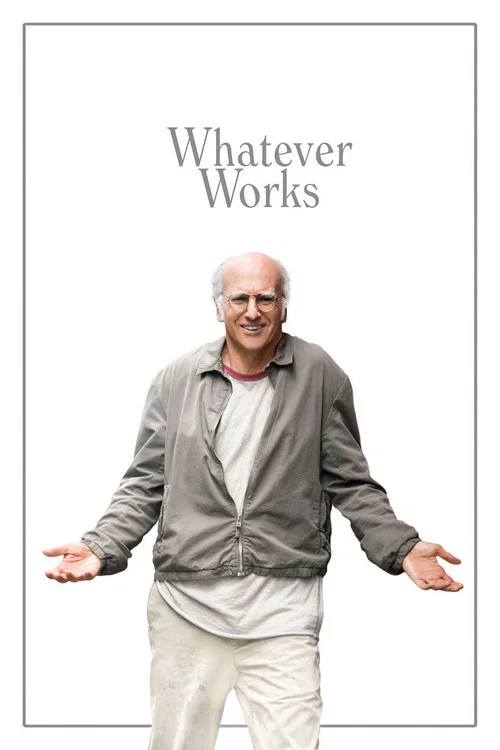
  16. Whatever Works (2009) poster

    Whatever Works

    Woody Allen · 2009

    Boris looks into the camera and talks to us, explaining the other characters and his bleak view of life. At the end he says you have to enjoy whatever works.

    Where to see it: The closing speech. After the New Year's party Boris breaks the fourth wall and tells the audience to find all the enjoyment they can.

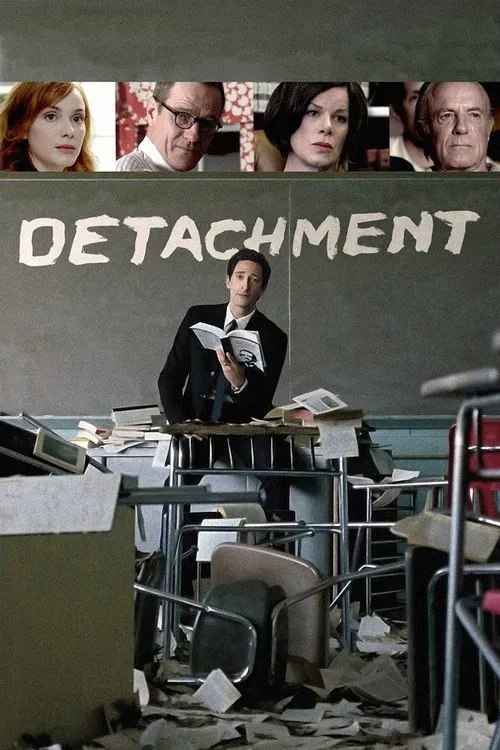
  17. Detachment (2011) poster

    Detachment

    Tony Kaye · 2011

    Reviewers describe close-up, documentary-style interviews in which Henry speaks straight to the camera. It makes you feel like a confidant, and it shows how much he needs to tell someone.

    Where to see it: Interview scenes: Henry looks into the camera and talks about his life as a substitute teacher.

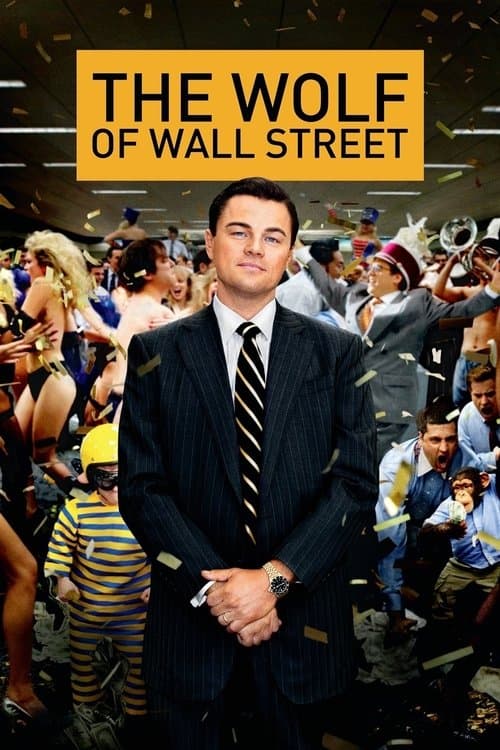
  18. The Wolf of Wall Street (2013) poster

    The Wolf of Wall Street

    Martin Scorsese · 2013

    Belfort keeps breaking the fourth wall, which means he talks straight to the camera. He explains financial schemes, introduces characters and corrects himself mid-sentence. Normally, you would be the film's moral judge. Here, you become Jordan's confidant. You are sharing the fun of his crimes before you can step back and judge them.

    Where to see it: Jordan's fourth-wall breaks, where he turns to the camera to explain how the schemes work. They set up how the film will talk to you from here on. You are being sold a cautionary tale while you watch it.

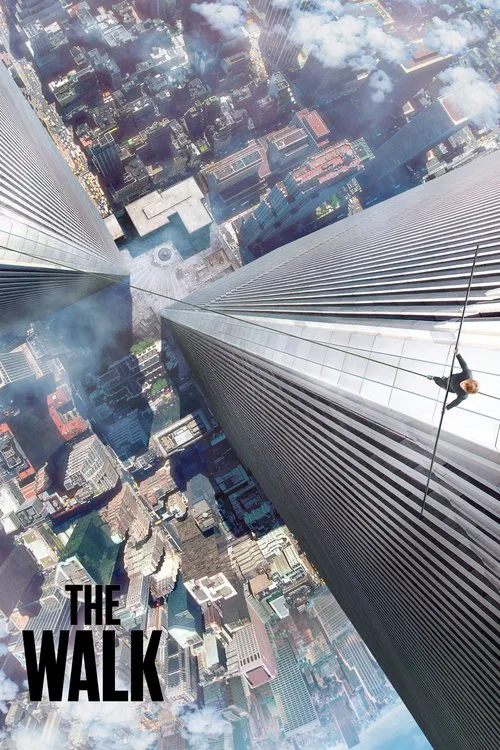
  19. The Walk (2015) poster

    The Walk

    Robert Zemeckis · 2015

    Philippe tells the story to the camera from the torch of the Statue of Liberty, with the towers behind him. He asks you questions and speaks as if you were part of his crew. It makes you a confidant, which suits a man who needs an audience.

    Where to see it: The opening: Philippe speaks straight to the camera from the Statue of Liberty's torch and begins to tell the story of the walk.

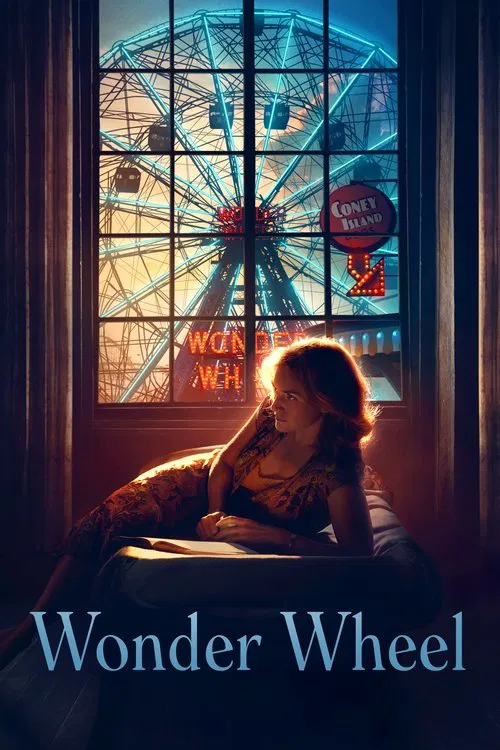
  20. Wonder Wheel (2017) poster

    Wonder Wheel

    Woody Allen · 2017

    Mickey, the lifeguard, talks to you as the narrator and comments on the people around him, including his own wish to be a playwright. He treats the boardwalk as a stage and you as the audience. It also pushes you to wonder how much of his version to trust.

    Where to see it: Early boardwalk scenes: Mickey introduces the Coney Island crowd and the Rannell family to you, then steps back into the story.

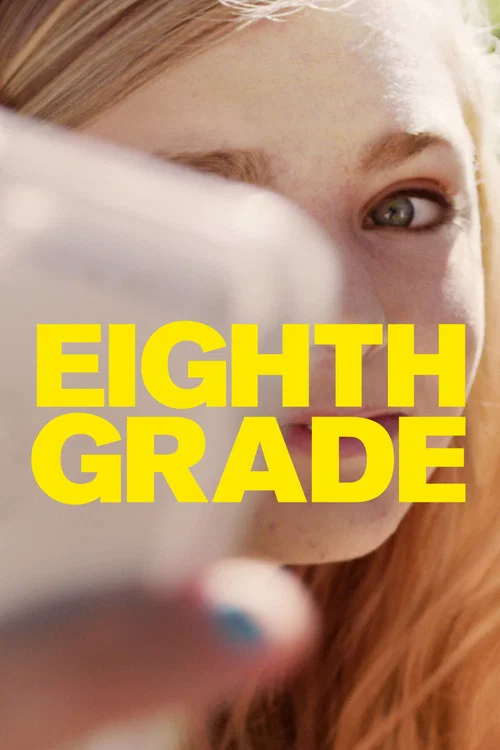
  21. Eighth Grade (2018) poster

    Eighth Grade

    Bo Burnham · 2018

    Kayla looks straight into her webcam and gives confident advice about being yourself. You are the only audience she has, so you feel like her one viewer. The gap between what she says to the camera and how she acts at school is the whole film.

    Where to see it: Kayla's vlogs. She records motivational videos on a laptop, talking to the lens as if thousands were watching, when almost nobody is.

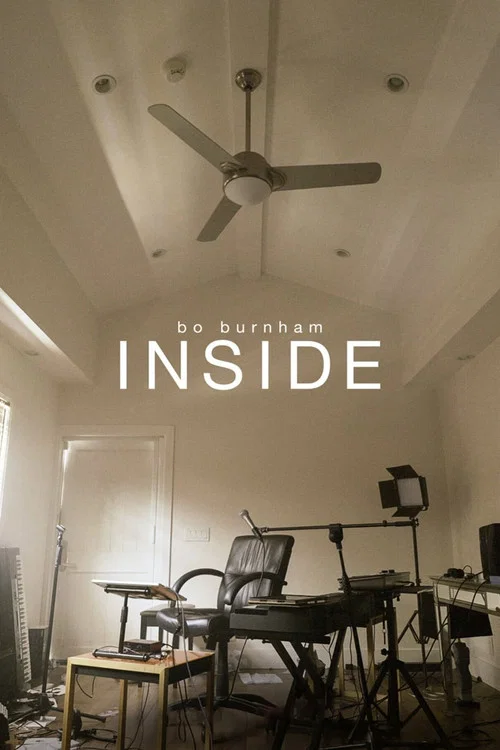
  22. Bo Burnham: Inside (2021) poster

    Bo Burnham: Inside

    Bo Burnham · 2021

    Burnham talks straight to the camera, so you feel like the only audience he has. He apologizes, jokes and checks in with you. As the special goes on, it feels more like confiding in someone than watching a show.

    Where to see it: Content. Burnham opens by apologizing for his long absence from performing and saying he cannot leave home.

Questions

Quick answers

What is direct address in film?
Having a character look into the camera and speak to the audience, also called breaking the fourth wall. It makes you feel like their confidant and reminds you this is a film.
Which films use direct address?
The Great Dictator (1940), The Wrong Man (1956), Breathless (1960), Winter Light (1963), Persona (1966), F for Fake (1973) and 16 more films in the CineCode library.
What kind of technique is direct address?
It is a narrative technique. Related narrative techniques include Deadpan Absurdism, Observational Restraint, Genre Subversion.