Drama

Winter Light

Ingmar Bergman, 1963

Tomas, a Swedish village pastor who has lost his faith after his wife's death, gets through one Sunday. A fisherman begs him for help, and Tomas has none to give. Watch how Bergman builds a gripping film from a half-empty church, a letter and almost no music.

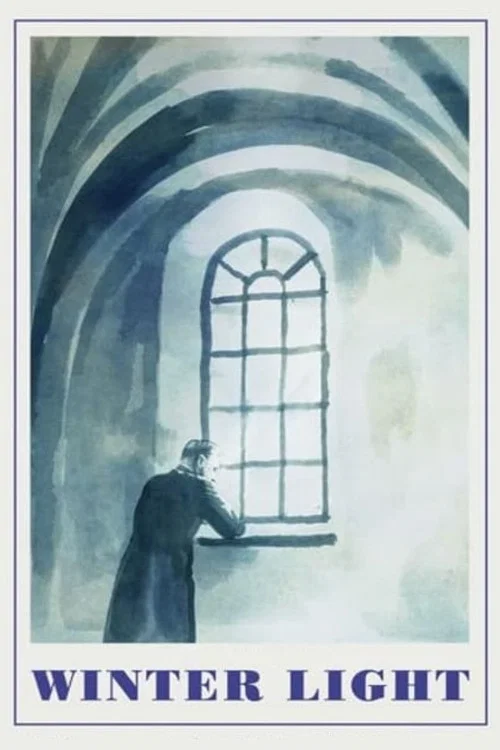
Winter Light (1963) poster

At a glance

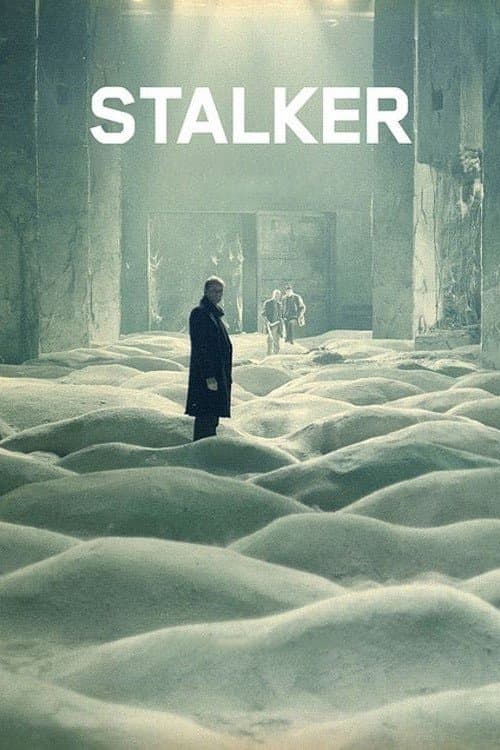
Winter Light is a 1963 drama film directed by Ingmar Bergman. This breakdown covers 5 techniques (1 sound, 3 narrative and 1 cinematography), each with the scene where you can see it. If you like how it is made, Stalker uses several of the same techniques.

Sound

Theological Silence Design

Using silence and ambient sound, with no music, as the answer to the film's central spiritual question. The lack of any reply from God is given the weight of a spoken answer.

How this film uses it

The only music in the film is the organ in the church. Nothing in the sound ever answers Tomas, and the quiet feels like God's own reply. By the end you hear the silence as an argument.

Where to see it

The afternoon service: the sexton Algot asks whether God's silence hurt Christ more than his suffering, and Tomas agrees. He conducts the service anyway for a nearly empty church.

Narrative

Direct Address

Having a character look into the camera and speak to the audience, also called breaking the fourth wall. It makes you feel like their confidant and reminds you this is a film.

How this film uses it

Märta's letter to Tomas is read to the camera, so her eyes meet yours. You become the person she is speaking to, and it is hard to look away. The scene makes you feel Tomas's guilt.

Where to see it

Märta's letter: Märta, Tomas's former lover, reads the letter describing his neglect and her disappointment in his faith.

Cinematography

Deliberate Close-Up Performance

Holding a close-up on an actor's face long enough to catch tiny changes in expression. You read what the character is thinking from details a wider shot would miss.

How this film uses it

Bergman keeps the camera close on Gunnar Björnstrand's tired face. Tomas has nothing to say to Jonas, and you can see it in his eyes. Small changes in his expression tell you more than a speech would.

Where to see it

Jonas's visit: the fisherman Jonas tells Tomas he fears a Chinese atomic bomb, and Tomas admits he has no faith.

Narrative

Unity of Place and Time

Confining the story to a single room, a single day or real time, so pressure builds without escape and the constraint shapes every scene.

How this film uses it

The film opens with a morning service and ends with the afternoon one. Jonas's visit, his death and Tomas's cruelty to Märta all happen between them. With so little time, Tomas has nowhere to hide.

Where to see it

The Sunday: a morning service opens the film, a nearly empty afternoon service closes it, and the crisis fills the hours between.

Narrative

Observational Restraint

Watching events from a measured distance with no swelling music, tear-jerking close-ups or showy camera moves. The film trusts what happens to carry the weight on its own.

How this film uses it

The camera stays still and the film gives you no swelling music at its worst moments. Tomas rejects Märta coldly, and nothing tells you how to feel. You have to decide for yourself how guilty he is.

Where to see it

Tomas rejects Märta: after Jonas kills himself, Tomas turns Märta away cruelly.

Questions

Winter Light: quick answers

What filmmaking techniques does Winter Light use?
CineCode breaks down 5 techniques in Winter Light (1963): Theological Silence Design, Direct Address, Deliberate Close-Up Performance, Unity of Place and Time and Observational Restraint.
Who directed Winter Light?
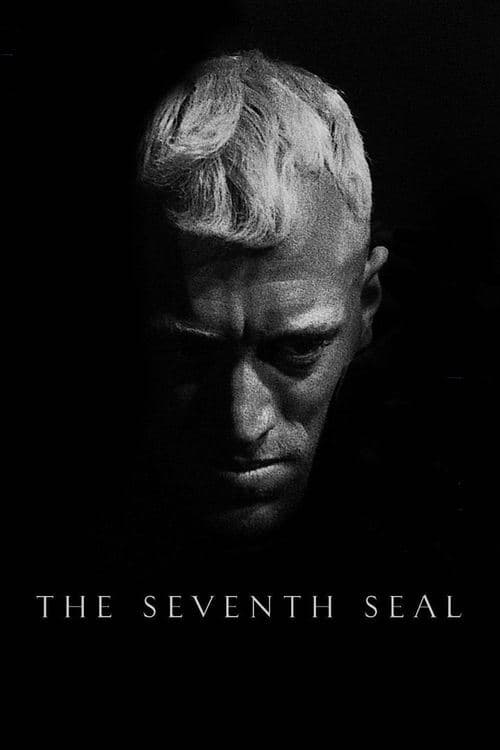
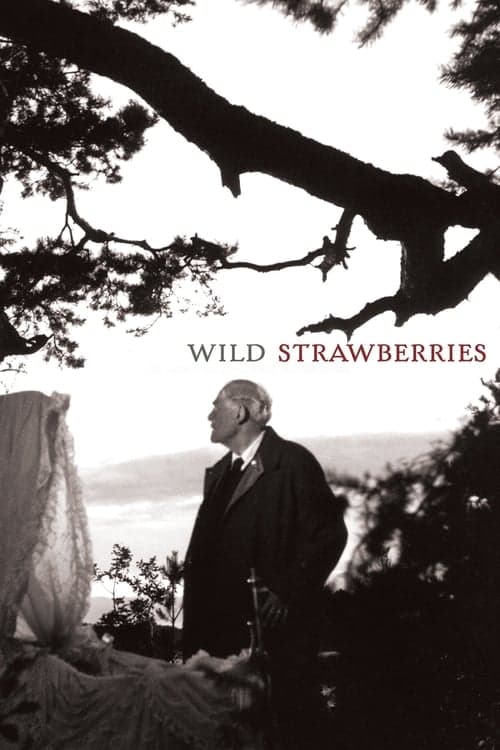
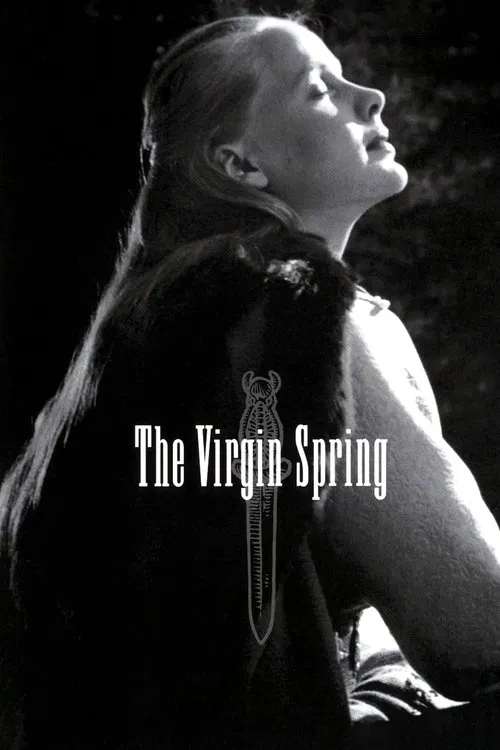
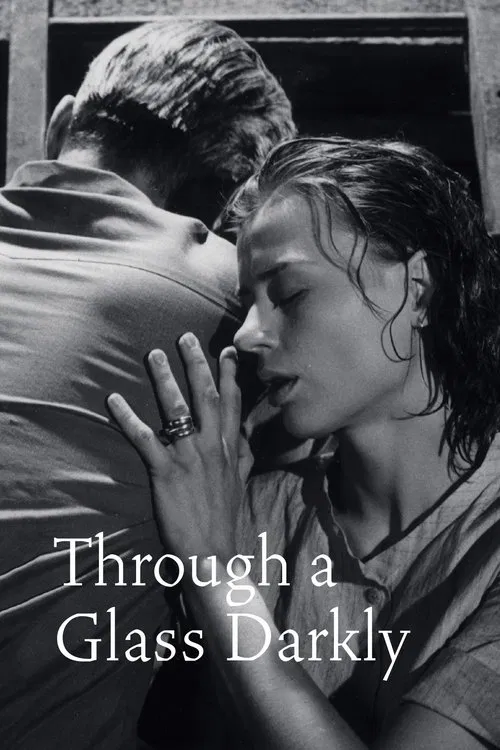
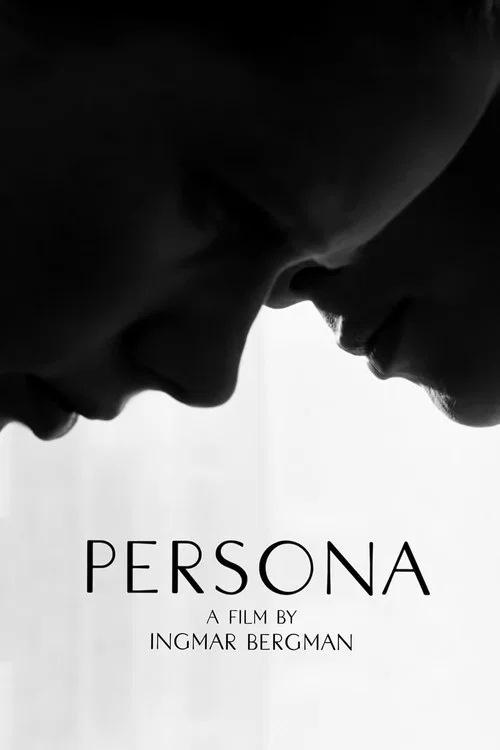
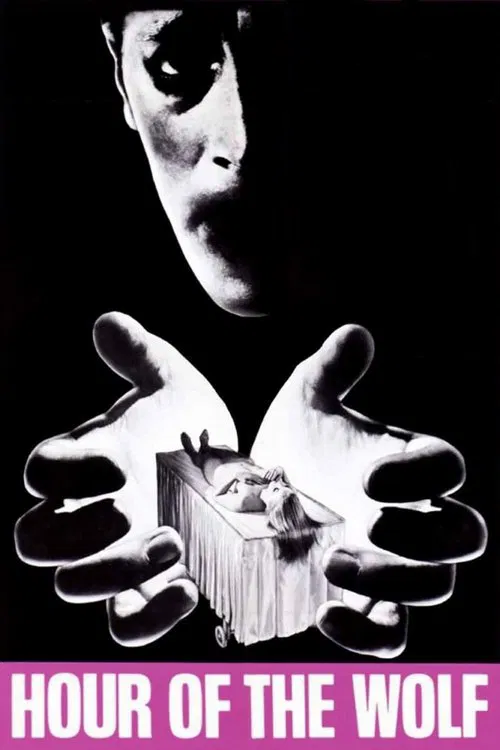
Ingmar Bergman directed Winter Light, released in 1963. CineCode also covers The Seventh Seal (1957), Wild Strawberries (1957), The Virgin Spring (1960), Through a Glass Darkly (1961), Persona (1966), Hour of the Wolf (1968).
What films are similar to Winter Light?
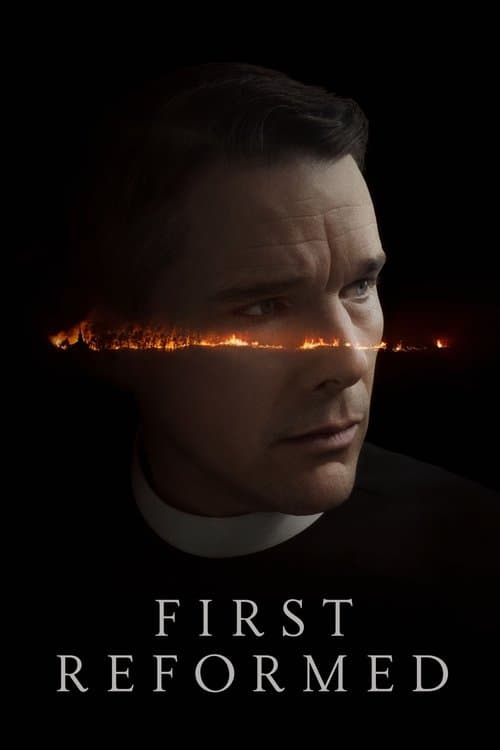
Films that share techniques with Winter Light include Stalker (1979), Moonlight (2016), The Worst Person in the World (2021), First Reformed (2017).