Comparison · 3 shared techniques

Citizen Kane vs Amadeus

Citizen Kane (1941) and Amadeus (1984) share 3 techniques. Here is how each film uses them.

Shared

Same technique, two films

Frame Narrative as Trap

Wrapping the story inside another story that turns out to be a trap or a deception. The listener, or you as the viewer, gets locked into the teller's version before realizing what it is for.

Citizen Kane

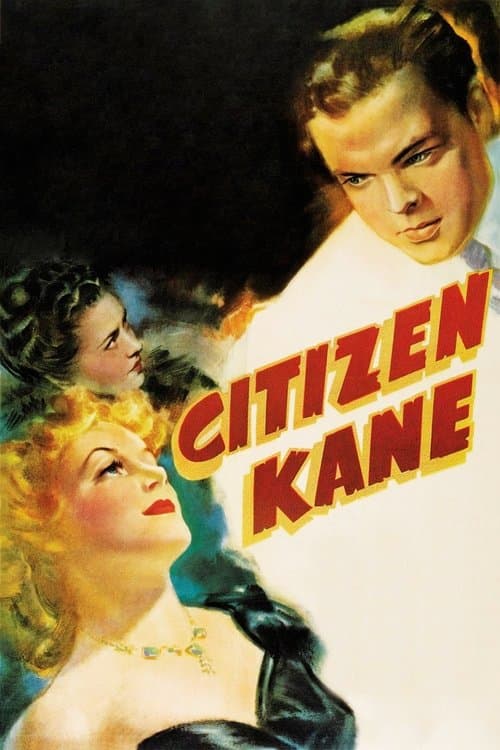
The 'Rosebud' investigation holds the film together. A reporter gathers testimony to solve the mystery of Kane's last word. That setup promises an answer and gives you only contradictions, since every witness describes a different Kane. The investigation ends and the reporter never gets his answer. Only the audience sees Rosebud burn, and it explains nothing.

Amadeus

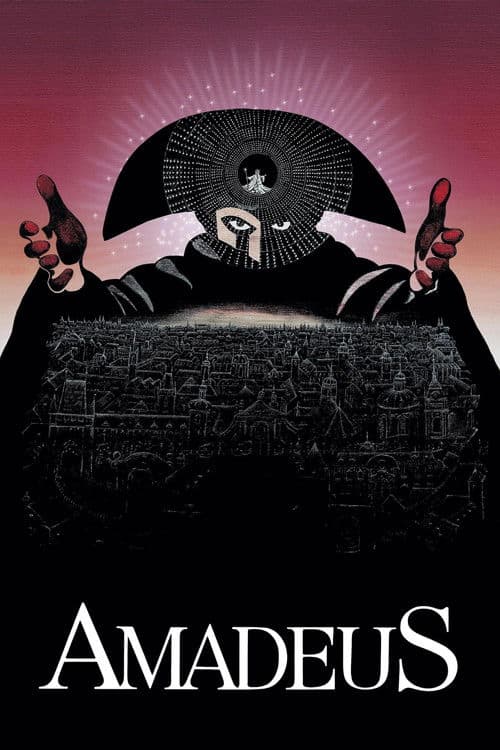
The asylum confession frames the story, so Mozart's whole life reaches you through Salieri's wound. You get no neutral view of who Mozart was. You're locked inside the worldview of the man who destroyed him, and you have to judge genius through the warped lens of envy.

Chiaroscuro Lighting

Lighting a scene with strong contrast between bright light and deep shadow, a style borrowed from old paintings called chiaroscuro. How lit a character is hints at their moral or mental state.

Citizen Kane

Gregg Toland shoots in deep focus, which keeps things near and far sharp at the same time, and it gives the film its signature look. You see ceilings above the characters, deep shadows that swallow figures from below and lamps and windows inside the frame. Kane is filmed again and again from low angles in darkness. You get his power and his isolation from the shadows alone, with no dialogue needed.

Amadeus

Chiaroscuro is lighting built on strong contrast between light and dark. Miroslav Ondříček lights Vienna with candles and fires. That creates deep shadows where Salieri does his scheming, while Mozart moves through brighter, messier spaces. The lighting marks Salieri as a man of shadow (intelligent, hidden, destructive) against Mozart's careless brightness.

Unreliable Narrator

Telling the story through a character you can't trust, because they are lying, mentally unwell or fooling themselves. At some point, you have to rethink what you were told.

Citizen Kane

Every narrator in Citizen Kane is unreliable in a different way. Thatcher dislikes Kane, Bernstein worships him, Leland resents him and Susan was damaged by him. No single account is enough. Welles sets the film up so you can never get the truth, because interviewing people who knew Kane was never going to reach it.

Amadeus

Salieri narrates from an asylum, decades after the events. He lived through them twisted by an envy that had become a sickness. His Mozart is brash, vulgar and always laughing, which is possibly accurate and certainly exaggerated. You have to read between the lines of Salieri's bitterness to glimpse the real genius he couldn't bear.