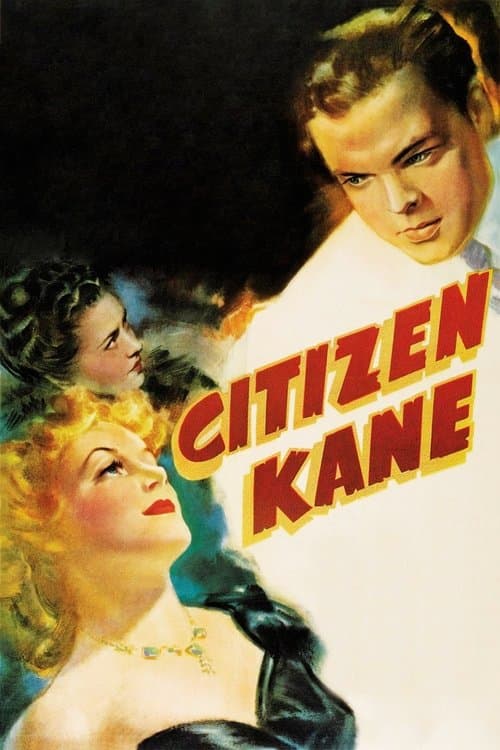
Citizen Kane
Orson Welles · 1941
A reporter investigates the life of deceased media mogul Charles Foster Kane by interviewing those who knew him, assembling contradictory accounts that never fully explain the man. Widely considered the most technically influential film ever made.
Techniques Used
4 techniques identified in this film
Frame Narrative as Trap
NarrativeA framing structure — an investigation, a confession, a retrospective — that promises to deliver truth and systematically fails to do so, making the frame itself the film's central argument.
How this film uses it
The 'Rosebud' investigation is the film's frame — a reporter gathering testimony to solve the mystery of Kane's last word. The frame promises revelation and delivers only contradiction. Every witness has a different Kane. The investigation ends without an answer the investigator can access — only the audience sees Rosebud burn, and it explains nothing.
Non-Linear Narrative
NarrativeA story told out of chronological order, moving between time periods so that the arrangement of events carries meaning beyond the events themselves.
How this film uses it
Kane's life is assembled from overlapping, contradictory retrospective accounts rather than chronology. Each narrator gives a different period, a different Kane, a different interpretation. The non-linearity is the point — a life cannot be reassembled from testimony; it can only be approximated and argued about.
Chiaroscuro Lighting
CinematographyHigh-contrast lighting using deep shadows and isolated light sources to create moral and psychological meaning through the relationship between illumination and darkness.
How this film uses it
Gregg Toland's deep-focus photography gives the film its defining visual quality: ceilings visible above characters, deep shadows consuming figures from below, light sources visible within the frame. Kane is repeatedly filmed from low angles in darkness, his power and isolation expressed through shadow rather than dialogue.
Unreliable Narrator
NarrativeA protagonist or witness through whose account we experience events — but whose perspective is partial, biased, or systematically limited, making the audience's knowledge dependent on an imperfect source.
How this film uses it
Every narrator in Citizen Kane is unreliable in a different way: Thatcher dislikes Kane; Bernstein worships him; Leland resents him; Susan was damaged by him. No single account is sufficient. Welles structures the film so that truth is not hidden — it is constitutively unavailable through the method of its investigation.
You Might Also Like
Films that share at least one technique with Citizen Kane
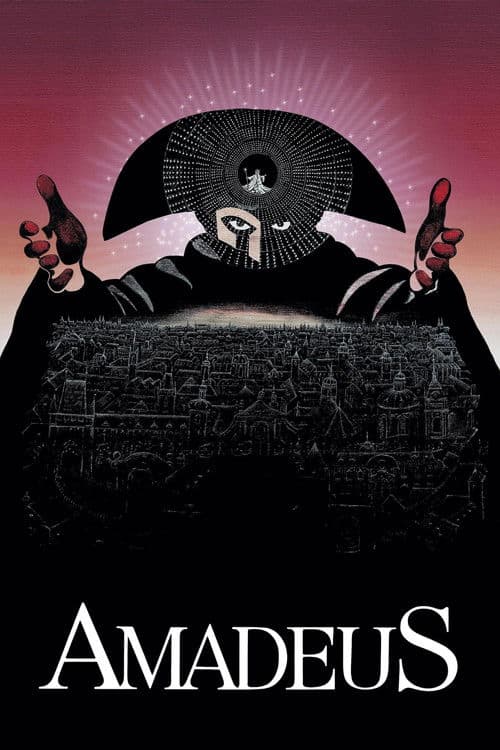
Antonio Salieri, court composer to the Austrian Emperor, becomes consumed by his hatred of the divinely gifted Wolfgang Amadeus Mozart. A film about mediocrity's relationship to genius — told entirely by the mediocre man, who understands exactly what he lacks and cannot forgive.
Amadeus
Miloš Forman · 1984
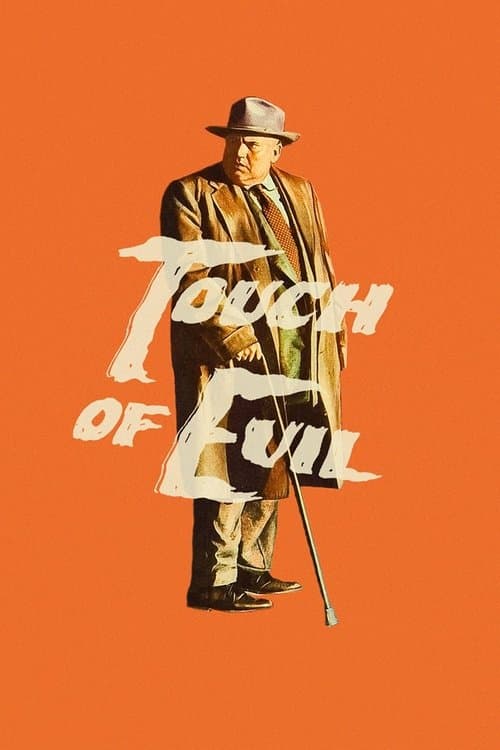
A Mexican narcotics detective and his American wife become entangled with a corrupt Texas police captain on both sides of the border after a car bombing. Welles' baroque masterpiece opens with cinema's most famous tracking shot.
Touch of Evil
Orson Welles · 1958
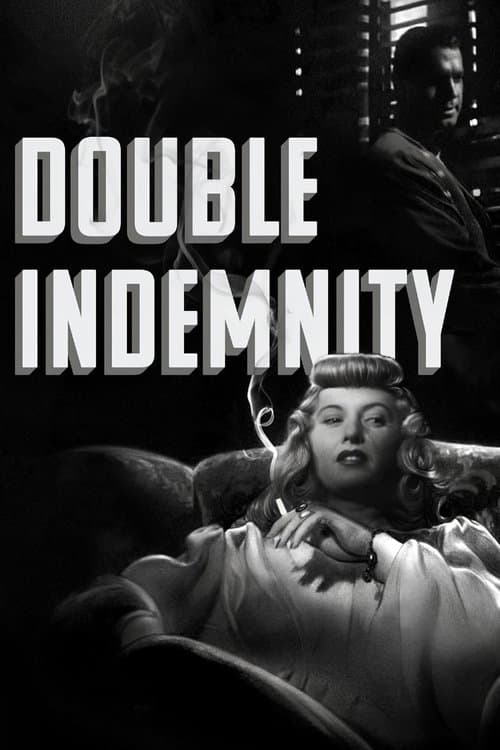
An insurance salesman is seduced by a client's wife into helping murder her husband and collect on the policy — then discovers that the scheme was always designed to consume him as well. The film that established the femme fatale and the criminal confession as noir's defining elements.
Double Indemnity
Billy Wilder · 1944