Sound technique · used in 12 films

Classical Music as Score

Using existing classical pieces as the soundtrack, with no newly composed score. The music brings its own history, cultural weight and emotion into the film.

Examples

12 films that use it

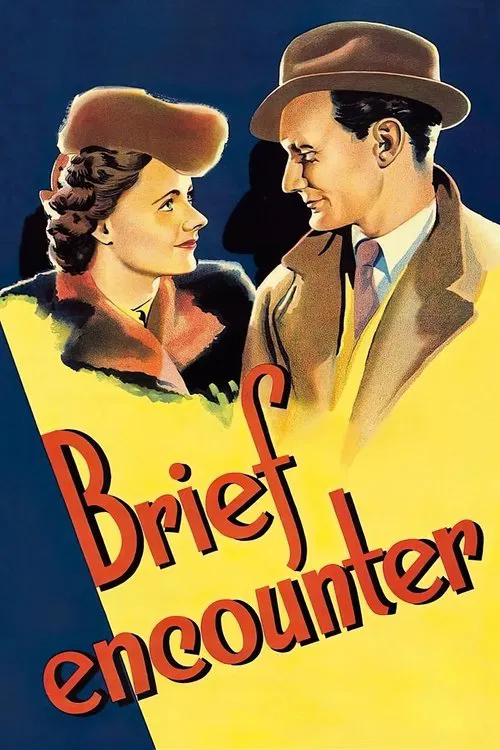
  1. Brief Encounter (1945) poster

    Brief Encounter

    David Lean · 1945

    Rachmaninoff's Piano Concerto No. 2 plays throughout, and you hear it when Laura's feelings swell. The big romantic music says what two polite people will not. It is a way into feelings they keep hidden.

    Where to see it: The recurring concerto. The music rises as Laura's feelings for Alec grow.
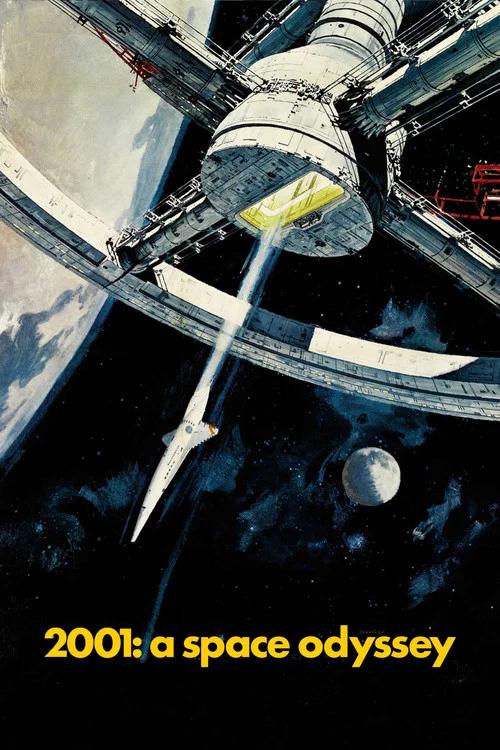
  2. 2001: A Space Odyssey (1968) poster

    2001: A Space Odyssey

    Stanley Kubrick · 1968

    Kubrick had commissioned a score from Alex North, then rejected it and used Strauss, Ligeti and Khachaturian. The Blue Danube waltz in the shuttle docking sequence makes the technology graceful and ordinary at the same time. Ligeti's clashing clusters of notes make the monolith feel alien in a way a normal film score never could.

    Where to see it: The Orion shuttle docking with the space station to The Blue Danube. The technology is made to waltz.

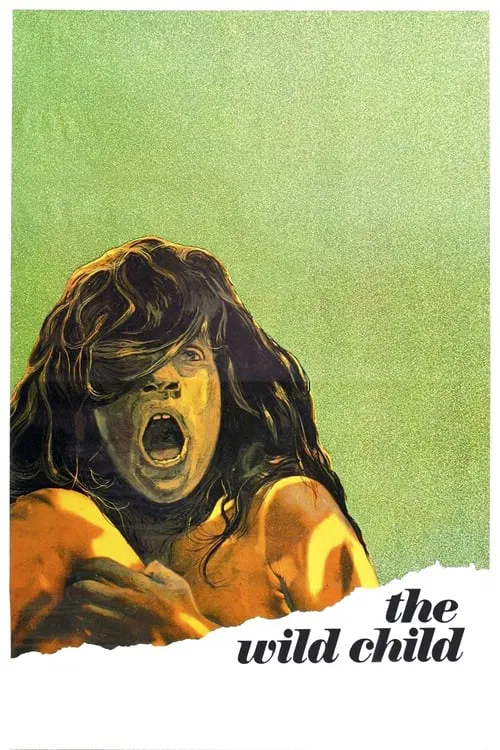
  3. The Wild Child (1970) poster

    The Wild Child

    François Truffaut · 1970

    The score uses music by Antonio Vivaldi, arranged for the film. The elegant pieces suggest the civilized world Victor is entering. They also give the story a gentle, steady rhythm.

    Where to see it: The lessons. Itard teaches Victor in his house outside Paris while Vivaldi's music plays.

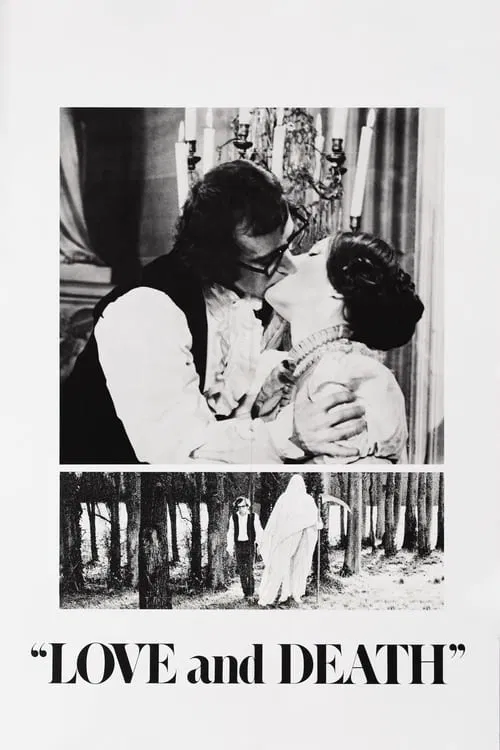
  4. Love and Death (1975) poster

    Love and Death

    Woody Allen · 1975

    Prokofiev's music runs through the score, including 'Troika' and the battle music from Alexander Nevsky. The solemn music sits under clumsy comic scenes, which makes the jokes land harder.

    Where to see it: The Napoleon plot: Sonja plans to assassinate Napoleon at his Moscow headquarters and Boris reluctantly agrees.

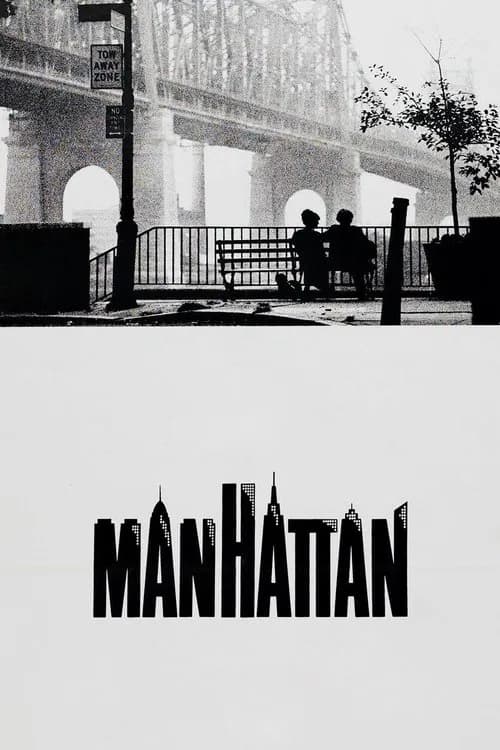
  5. Manhattan (1979) poster

    Manhattan

    Woody Allen · 1979

    Gershwin's 'Rhapsody in Blue' and his other compositions are the film's entire emotional soundtrack. The grand, romantic music backs up Isaac's idealized view of the city and gently mocks it too. The film's central irony is the gap between the Gershwin and the messy lives underneath it.

    Where to see it: The Planetarium sequence. Isaac and Mary are under the stars with the Gershwin on the soundtrack. The black-and-white photography makes the setting look like an idealized dream, and the film will shortly test it.

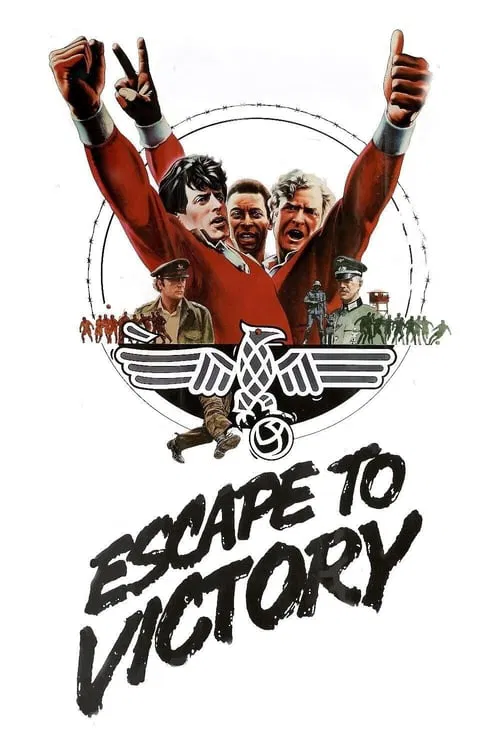
  6. Escape to Victory (1981) poster

    Escape to Victory

    John Huston · 1981

    Bill Conti's score leans heavily on Shostakovich's Symphony No. 7 and nearly quotes its march theme. The ending draws on Shostakovich's Symphony No. 5. The music tells you straight away that this is a story about people under occupation who will not break.

    Where to see it: The pitch invasion: the crowd storms the field at the final whistle, helps the players blend in, and they walk out through the gates.

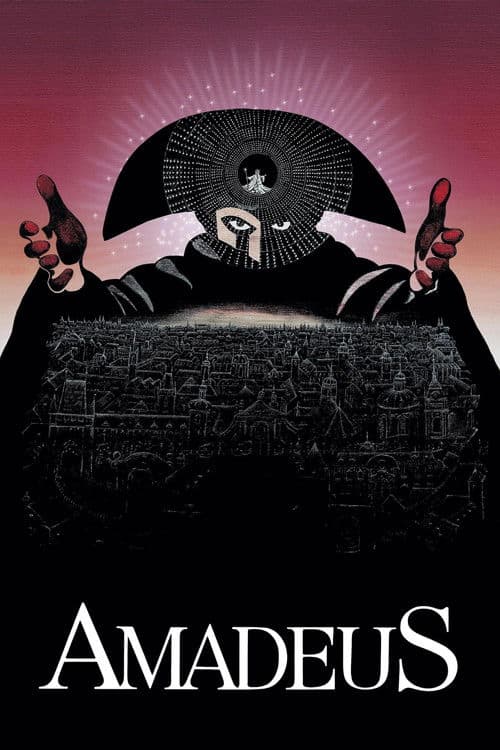
  7. Amadeus (1984) poster

    Amadeus

    Miloš Forman · 1984

    Forman uses Mozart's actual compositions throughout, including the Requiem, the symphonies and the operas. The music is the film's score and its subject at the same time. You hear, alongside Salieri, the genius he can't match. The score proves the film's central point without a word of dialogue.

    Where to see it: Mozart dictating the Requiem to Salieri on his deathbed. The music is composed in front of you, and the score and the drama become 1 thing.

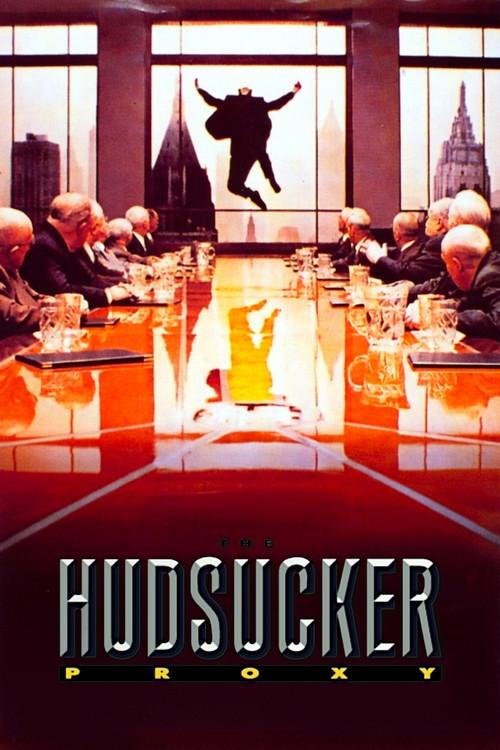
  8. The Hudsucker Proxy (1994) poster

    The Hudsucker Proxy

    Joel Coen, Ethan Coen · 1994

    The main theme is built on a ballet adagio, and more of that ballet plays under the Hula-Hoop sequence. A toy takes on the weight of a grand ballet. Because the music sounds so serious, the humor lands harder.

    Where to see it: The Hula-Hoop sequence. Norville's invention goes from an unnoticed flop to a craze while ballet music plays.

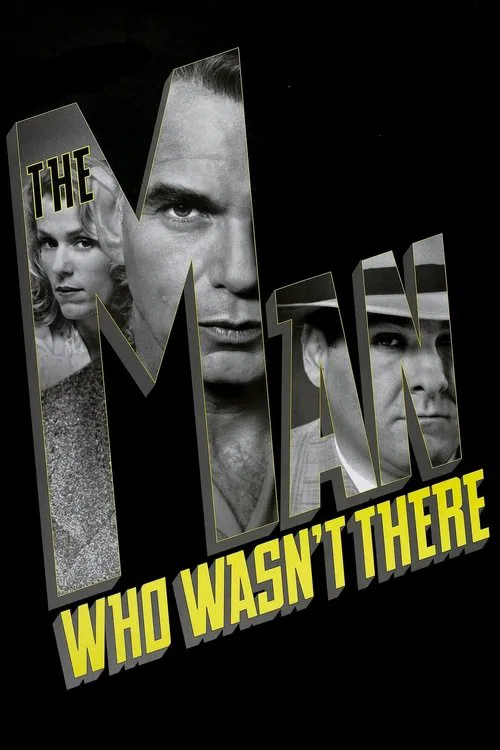
  9. The Man Who Wasn't There (2001) poster

    The Man Who Wasn't There

    Joel Coen, Ethan Coen · 2001

    The soundtrack is mostly Beethoven piano sonatas, with 7 new pieces by Carter Burwell. Ed listens to the young Birdy play piano and imagines a career for her. The music gives a cold man a place to feel something.

    Where to see it: Ed listens to Birdy at the piano. He believes she has a gift and dreams of becoming her manager.

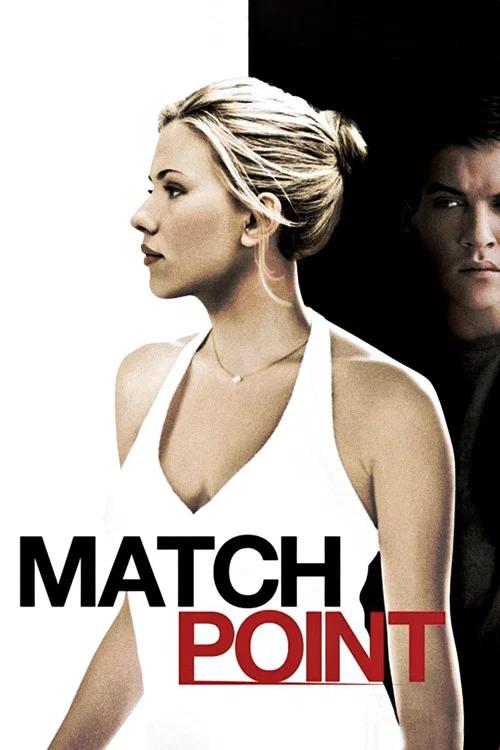
  10. Match Point (2005) poster

    Match Point

    Woody Allen · 2005

    The soundtrack is made almost entirely of old recordings of opera arias sung by Enrico Caruso. The arias comment on the action and sometimes hint at what is coming. The grand, tragic music makes Chris's plain, selfish choices feel like fate.

    Where to see it: The film as a whole. Caruso's arias play over the affair, the scheming and the crime.

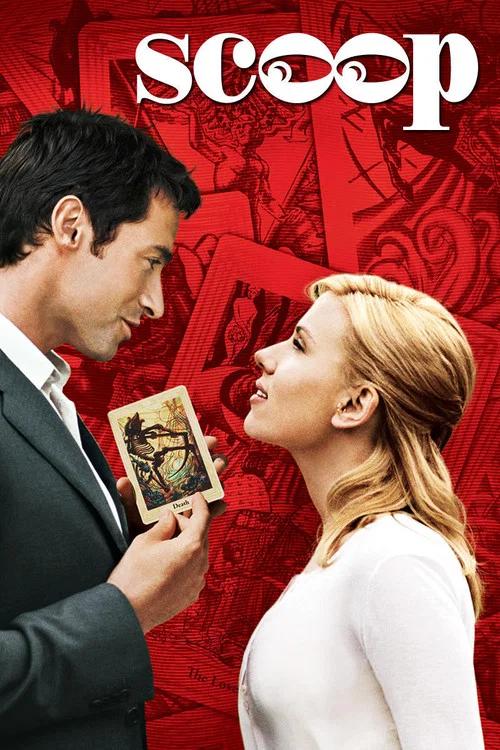
  11. Scoop (2006) poster

    Scoop

    Woody Allen · 2006

    There is no original score. The music comes from composers such as Tchaikovsky, Johann Strauss and Grieg. The familiar classical pieces give a light, old-fashioned feel to the chases and the dates.

    Where to see it: The film as a whole. Existing classical pieces play under the investigation and the romance.

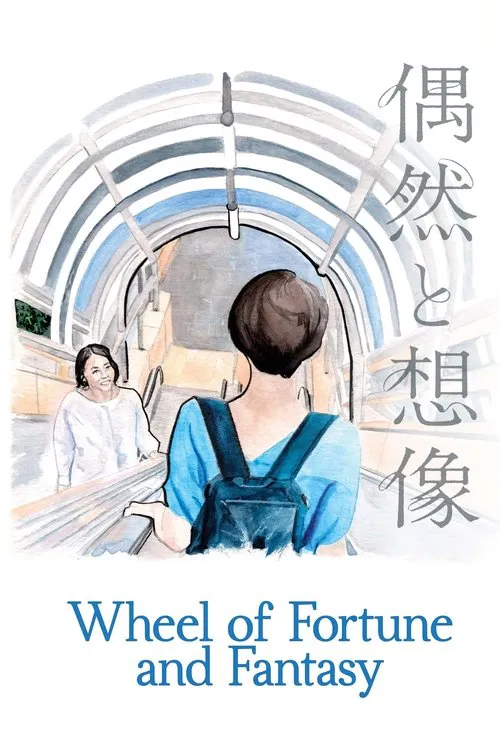
  12. Wheel of Fortune and Fantasy (2021) poster

    Wheel of Fortune and Fantasy

    Ryusuke Hamaguchi · 2021

    The soundtrack is three short solo piano pieces by Robert Schumann. They give the film a calm, old-fashioned quality that suits its small rooms and long talks. The music frames the stories without pushing you to feel anything.

    Where to see it: The score. Three short solo piano pieces by Schumann are heard across the film.

Questions

Quick answers

What is classical music as score in film?
Using existing classical pieces as the soundtrack, with no newly composed score. The music brings its own history, cultural weight and emotion into the film.
Which films use classical music as score?
Brief Encounter (1945), 2001: A Space Odyssey (1968), The Wild Child (1970), Love and Death (1975), Manhattan (1979), Escape to Victory (1981) and 6 more films in the CineCode library.
What kind of technique is classical music as score?
It is a sound technique. Related sound techniques include others listed on the CineCode techniques page.