Comparison · 3 shared techniques

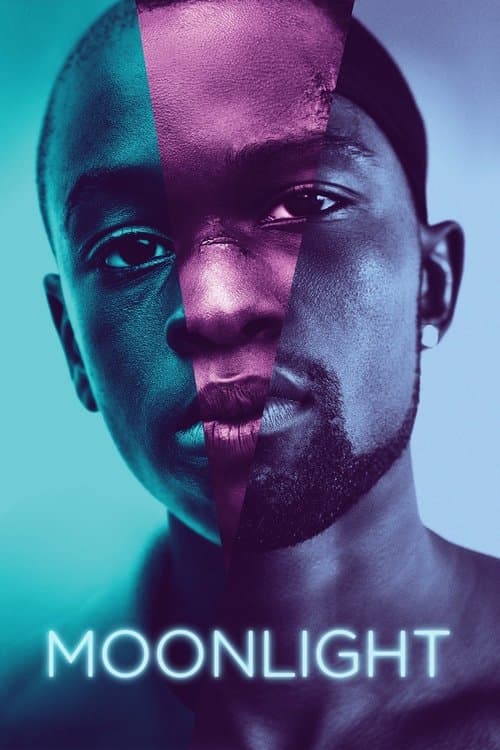
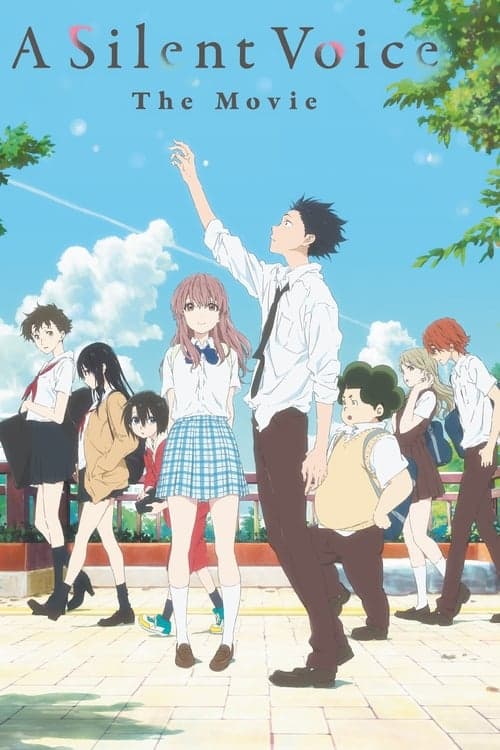
Moonlight vs A Silent Voice

Moonlight (2016) and A Silent Voice (2016) share 3 techniques. Here is how each film uses them.

Shared

Same technique, two films

Observational Restraint

Watching events from a measured distance with no swelling music, tear-jerking close-ups or showy camera moves. The film trusts what happens to carry the weight on its own.

Moonlight

Jenkins refuses to over-explain what Chiron is feeling inside. Silence, glances and the way he holds his body carry scenes that lesser films would spell out.

A Silent Voice

Yamada films the growing relationship between Shoya and Shoko patiently, and she trusts small gestures. They talk in sign language, share notebooks and simply sit near each other. Those moments say what spoken words couldn't.

Color Grading as Psychology

Adjusting the film's overall color, such as how warm, cold or vivid it looks, to match a character's emotional state. It can also separate different realities or states of mind.

Moonlight

Each chapter of Chiron's life is bathed in its own set of colors. The cool blues of childhood give way to warmer, harder tones in adulthood. That matches how he hardens emotionally.

A Silent Voice

Yamada and director of photography Kazuya Takao use warm, rich colors for scenes of real connection. For Shoya's lonely present, they drain the color out. How warm or cold the image looks tells you how things stand between him and the people around him.

Earned Catharsis

Building up to a big emotional release slowly, by investing in the characters and giving small bits of hope. When the release comes, it feels deserved after all the suffering.

Moonlight

The final scenes between Chiron and Kevin run from the diner conversation to the slow admission of what was never said. It lets out all the emotion the film has built up, and it does so without getting sentimental. Jenkins has held that release back for 2 hours and shown only what it costs to keep everything in. The release feels deserved because the film has been honest about what it costs to get there.

A Silent Voice

Yamada earns the ending by leaving Shoya's redemption incomplete. It's a first step and well short of full forgiveness, and the characters are still damaged. The catharsis, meaning the emotional release at the end, matches what the film has honestly faced. That is why it never feels sentimental.