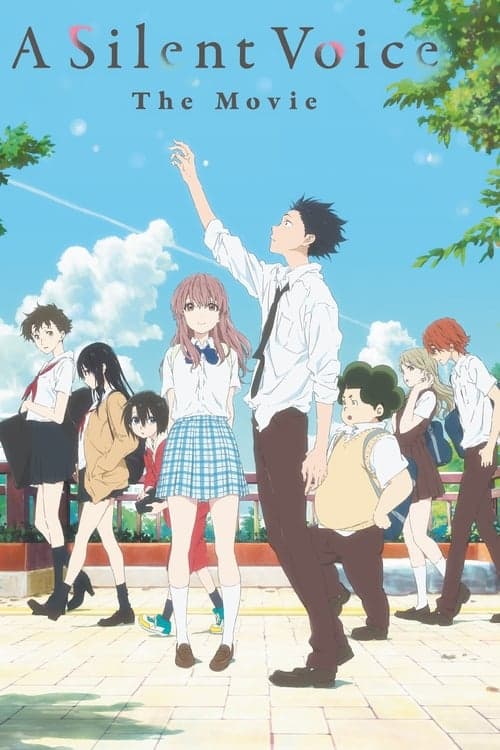
A boy bullied a deaf girl in elementary school. When they meet again in high school, he tries to make amends. The film looks at how long childhood cruelty stays with people and how hard it is to forgive, both others and yourself. Naoko Yamada's film is about the weight of shame and the chance of redemption.
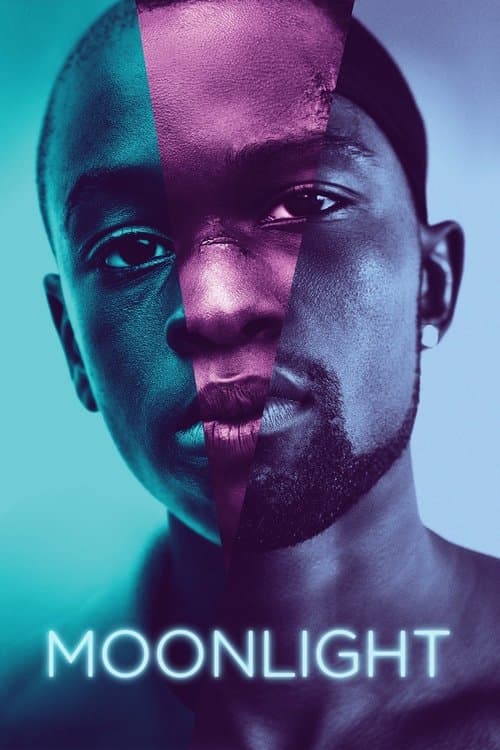
A Silent Voice is a 2016 animation and drama film directed by Naoko Yamada. This breakdown covers 4 techniques (1 editing, 2 narrative and 1 cinematography), each with the scene where you can see it. If you like how it is made, Moonlight uses several of the same techniques.
Using animation, for a whole film or for short sequences inside live action, to make emotions hit harder. Drawn images can show inner feelings that realistic footage can't reach.
How this film uses it
Yamada uses a visual idea that only animation can pull off. X marks cover the faces of the people Shoya can't bring himself to face. His guilt has cut him off from everyone, and you can literally see it. When connecting with someone gets too painful, their face is replaced by an X.
Where to see it
Shoya moving through school with X marks over every face. Guilt is something he feels inside, and here, the animation turns his isolation into something physically present in his world.
Watching events from a measured distance with no swelling music, tear-jerking close-ups or showy camera moves. The film trusts what happens to carry the weight on its own.
How this film uses it
Yamada films the growing relationship between Shoya and Shoko patiently, and she trusts small gestures. They talk in sign language, share notebooks and simply sit near each other. Those moments say what spoken words couldn't.
Where to see it
Shoya learning sign language to communicate with Shoko. The film watches him learn without commenting on it. The effort he puts in is what convinces you he is sincere.
Adjusting the film's overall color, such as how warm, cold or vivid it looks, to match a character's emotional state. It can also separate different realities or states of mind.
How this film uses it
Yamada and director of photography Kazuya Takao use warm, rich colors for scenes of real connection. For Shoya's lonely present, they drain the color out. How warm or cold the image looks tells you how things stand between him and the people around him.
Where to see it
The fireworks sequence. The colors are at their warmest and richest here. The look of the scene tells you a repaired connection is possible, and that it could still easily fall apart.
Building up to a big emotional release slowly, by investing in the characters and giving small bits of hope. When the release comes, it feels deserved after all the suffering.
How this film uses it
Yamada earns the ending by leaving Shoya's redemption incomplete. It's a first step and well short of full forgiveness, and the characters are still damaged. The catharsis, meaning the emotional release at the end, matches what the film has honestly faced. That is why it never feels sentimental.
Where to see it
Shoya finally being able to face the people around him without the X marks. The marks that showed his isolation fall away. The release feels earned because the film has been fully honest about what he did and what it cost.
Questions
A Silent Voice: quick answers
What filmmaking techniques does A Silent Voice use?
CineCode breaks down 4 techniques in A Silent Voice (2016): Animation as Emotional Amplifier, Observational Restraint, Color Grading as Psychology and Earned Catharsis.
Who directed A Silent Voice?
Naoko Yamada directed A Silent Voice, released in 2016.
What films are similar to A Silent Voice?
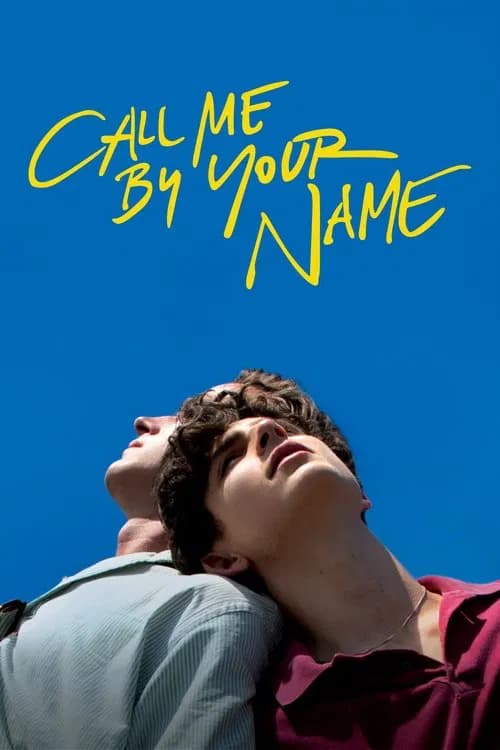
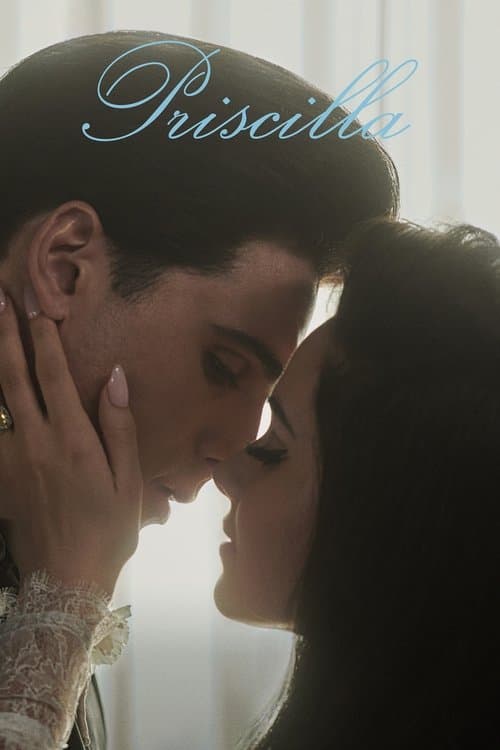
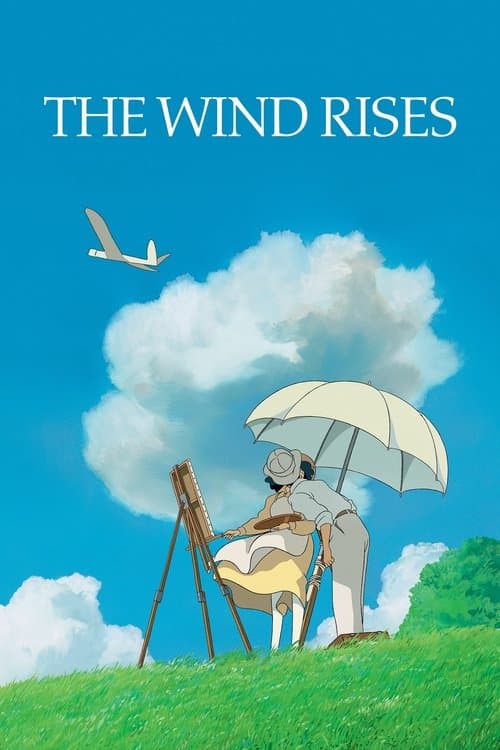
Films that share techniques with A Silent Voice include Moonlight (2016), Call Me by Your Name (2017), Priscilla (2023), The Wind Rises (2013).