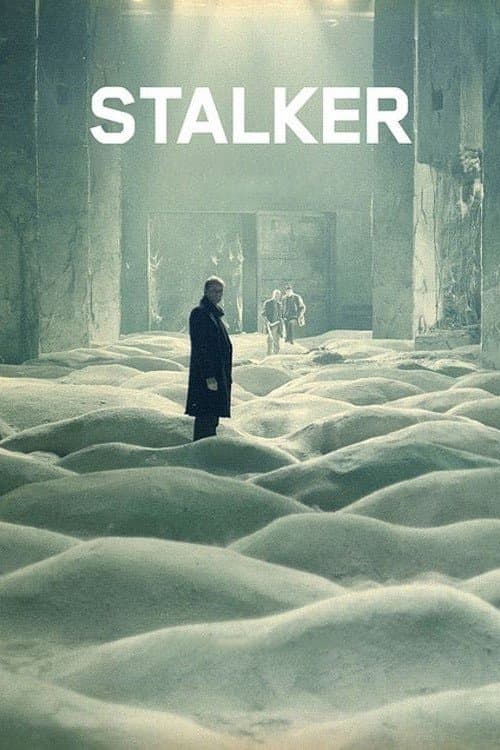
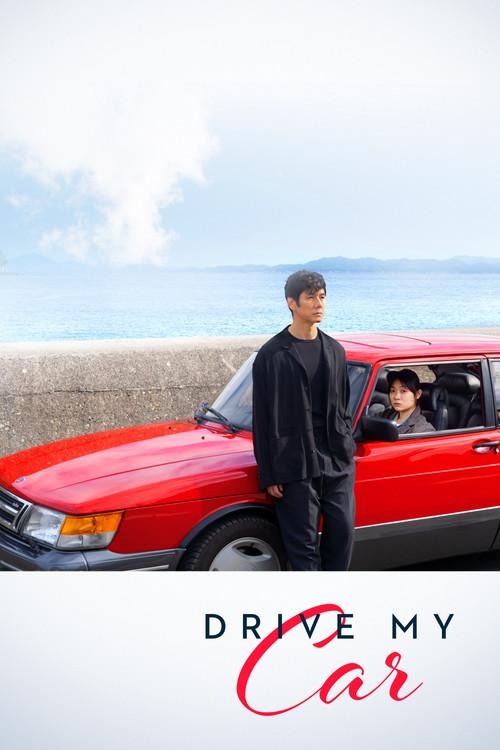
Comparison · 3 shared techniques

Stalker vs Drive My Car

Stalker (1979) and Drive My Car (2021) share 3 techniques. Here is how each film uses them.

Shared

Same technique, two films

Ceremonial Pacing

Moving the film at the slow, deliberate pace of a ritual, with long takes, few cuts and unhurried camera moves. The patience builds dread and gives each step the weight of a ceremony.

Stalker

Moving through the Zone works like a ritual. Metal nuts tied to strips of cloth must be thrown before each advance, no path can be walked back and the Stalker's instructions are obeyed without explanation. The pacing makes the journey feel like a religious rite that means more than its steps.

Drive My Car

Hamaguchi opens with a 40-minute prologue before the title card appears, and the rhythm never hurries after that. The length of the film makes a point: grief and understanding take time.

Slow Build Runtime

Running the film longer than its genre normally needs, on purpose. The extra time lets you live with the characters, so the emotional payoff feels in proportion to the wait.

Stalker

At over 160 minutes, Stalker moves at a pace that can't be hurried. The long takes of grass and water and the silence of the Zone are the substance of the film. The runtime pushes you into its meditative mood, and patience is required here.

Drive My Car

At nearly 3 hours, Drive My Car is hard to summarize. Each car journey, each rehearsal and each meal adds to a picture of grief that could not exist in a shorter film.

Observational Restraint

Watching events from a measured distance with no swelling music, tear-jerking close-ups or showy camera moves. The film trusts what happens to carry the weight on its own.

Stalker

Tarkovsky's camera moves slowly, often sideways. It refuses to cut to reactions or to underline the moments you'd normally call dramatic. It watches the Zone with the patience of someone who has all the time in the world, or no time at all. Because the film holds back, you have to bring your own feelings to images it declines to comment on.

Drive My Car

Hamaguchi shows you Kafuku watching his wife's infidelity without confronting her. He shows him staging rehearsals where he works out his grief, and riding in silence. The portrait is put together from what goes unsaid.