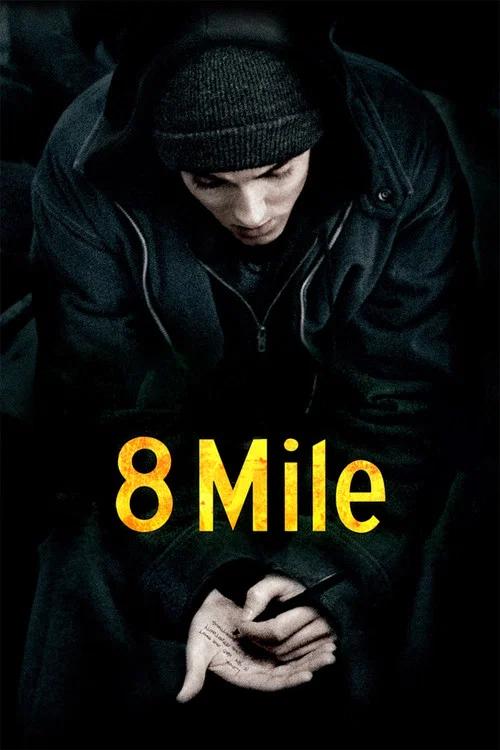
In 1995 Detroit, Jimmy Smith Jr. works at a car factory, lives in his mother's trailer and dreams of being a rapper. After he freezes at a rap battle, he has to find his nerve for a rematch. Watch how Hanson turns freestyle battles into the film's suspense scenes.
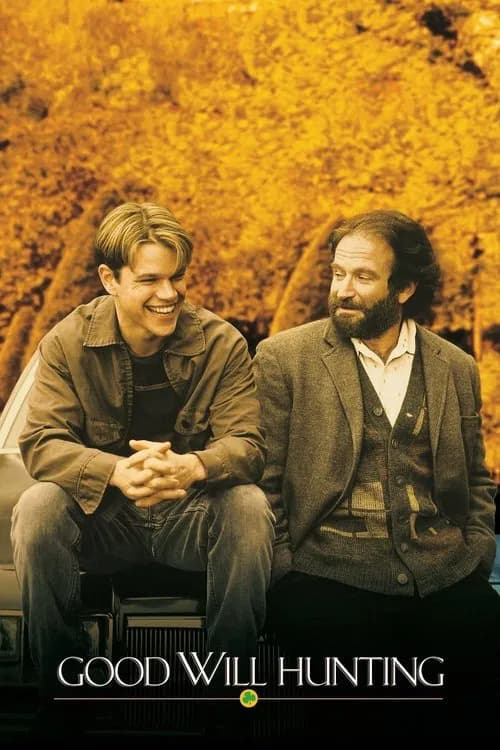
8 Mile is a 2002 drama and music film directed by Curtis Hanson. This breakdown covers 5 techniques (1 cinematography, 1 sound, 2 narrative and 1 psychology), each with the scene where you can see it. If you like how it is made, Good Will Hunting uses several of the same techniques.
Using specific working-class parts of a city, like its bars, docks and construction sites, to define the characters. The places show who they are expected to be and what leaving would cost.
How this film uses it
Everything about Jimmy comes from where he lives and works. He sleeps in a trailer home, takes shifts at an automotive plant and lives in the city the title names, where 8 Mile Road marks the line between Black Detroit and the whiter suburbs. The places tell you what he is expected to be and what leaving would cost him.
Where to see it
Jimmy's home and work. He moves into his mother's trailer after a breakup and clocks in at the car factory, where his supervisor will not give him extra shifts.
Letting characters perform the songs on screen, so the music comes from their own hands and voices. You hear the song and the performer's nerves at the same time.
How this film uses it
The rapping is performed live in front of a crowd, so you hear the words and the nerves together. In Jimmy's first battle, you watch him open his mouth and nothing comes out. The silence is as loud as any verse.
Where to see it
The first battle at the Shelter. Jimmy freezes on stage, then walks off humiliated.
Casting real people from the community being shown, such as workers and local residents, with no trained actors in those roles. Their looks and behavior feel true in a way acting can't copy.
How this film uses it
Hanson cast local performers for the battle scenes, and many of them were new to film. They bring a real Detroit swagger to the crowd and the rival crews. The battles feel less like staged scenes and more like a night at a club.
Where to see it
The battles at the Shelter. The crowd and the rival rappers are mostly local performers who know the format.
Giving a character a protective manner, such as charm, cynicism or intellect, that hides vulnerability. The audience sees the defense first and the wound it covers later.
How this film uses it
Papa Doc plays a hard street leader, and Jimmy knows the act is a shield. In the last battle he uses that knowledge. He reveals the leader's real name and suburban upbringing, and the tough image falls apart in front of the crowd.
Where to see it
The final battle. Jimmy tells the crowd that Papa Doc's real name is Clarence and that he grew up in the suburbs, and Papa Doc concedes.
Building the final conflict as a spoken contest in front of a live crowd. Words replace punches, and the winner is decided by the crowd's reaction.
How this film uses it
The film trains you to read each battle, so the climax is a fight you can follow. Jimmy defeats the crew's members one by one and then faces their leader. Each round raises the stakes, and the whole film has been preparing for those two minutes at the microphone.
Where to see it
The last battle night. Jimmy beats the Leaders of the Free World crew members and then faces Papa Doc.
Questions
8 Mile: quick answers
What filmmaking techniques does 8 Mile use?
CineCode breaks down 5 techniques in 8 Mile (2002): Working-Class Geography, Diegetic Musical Performance, Non-Professional Cast Authenticity, Defensive Persona and Verbal Duel Climax.
Who directed 8 Mile?
Curtis Hanson directed 8 Mile, released in 2002. CineCode also covers L.A. Confidential (1997).
What films are similar to 8 Mile?
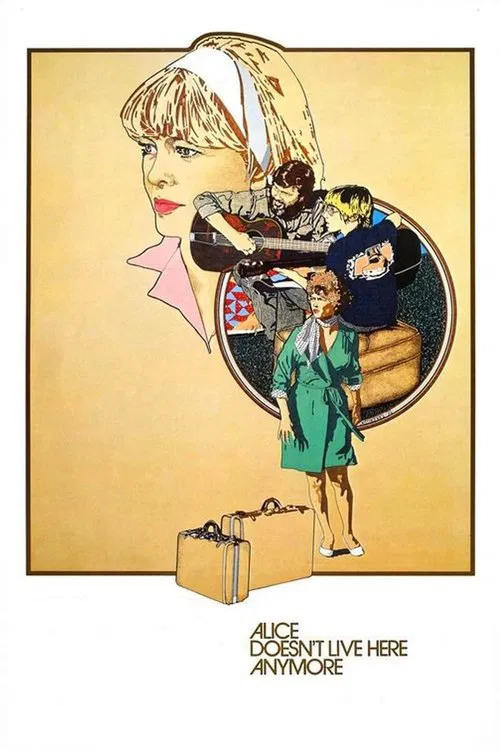
Films that share techniques with 8 Mile include Good Will Hunting (1997), The Florida Project (2017), Winter's Bone (2010), Alice Doesn't Live Here Anymore (1974).