Crime · Mystery · Thriller

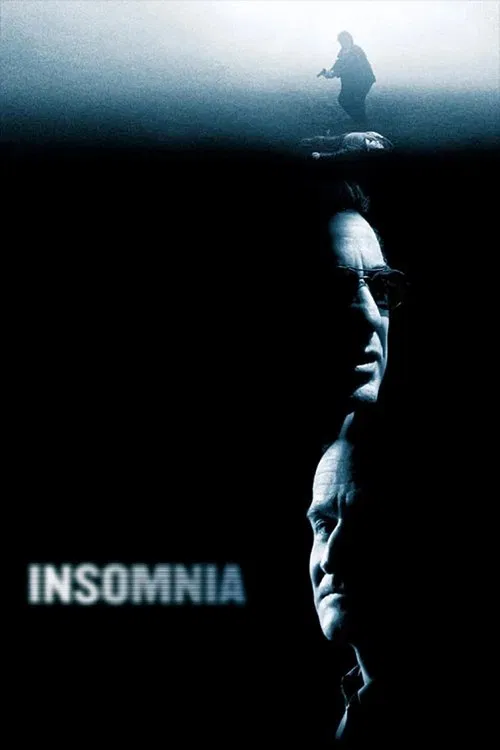
Insomnia

Christopher Nolan, 2002

2 Los Angeles detectives fly to a small Alaska town to help solve the murder of a teenage girl. In thick fog, Will Dormer shoots his own partner and covers it up, and the real killer saw it happen. Under a sun that never sets, Dormer can't sleep. Nolan turns that exhaustion into the film's look and rhythm.

Insomnia (2002) poster

At a glance

Insomnia is a 2002 crime, mystery and thriller film directed by Christopher Nolan. This breakdown covers 4 techniques (1 cinematography, 1 editing, 1 psychology and 1 narrative), each with the scene where you can see it. If you like how it is made, All About Eve uses several of the same techniques.

Cinematography

Light as Psychological Pressure

Using constant or harsh light that a character can't escape, so the brightness keeps them from resting or hiding. You watch them wear down under it.

How this film uses it

In an Alaskan summer, the sun barely sets. Light seeps into Dormer's hotel room at every hour, and he can't sleep. With no dark to hide in, the light starts to feel like his guilt watching him.

Where to see it

Dormer's hotel room. He tears the room apart trying to block out the sunlight, and it still gets in.
Editing

Subliminal Editing

Slipping single frames or very short shots into a scene, too fast for you to see clearly. You feel uneasy without knowing why.

How this film uses it

Nolan and editor Dody Dorn slip in flashes of the crime and of Dormer's guilt that last only a moment. Some are too quick to read. You feel unsettled before you know what you saw.

Where to see it

Dormer examines Kay's body. Short flashes of the killing and of clues, like her painted nails, cut into the scene.

Psychology

Psychological Doubling

Pairing the main character with a second character who mirrors them. The double shows what the hero wants, fears or secretly is.

How this film uses it

Walter Finch, the killer, saw Dormer shoot his partner. He calls Dormer and treats him like a partner in crime, 2 men hiding a killing. Dormer hates him, and the film keeps asking how different they really are.

Where to see it

The ferry. Finch proposes that they pin the murder on Kay's boyfriend, then reveals he has recorded their conversation.

Narrative

Dramatic Irony

Letting the audience know something a character doesn't. You watch them act without that knowledge, which creates suspense, dread or dark comedy.

How this film uses it

You watch Dormer shoot Hap, so you know the truth from the start. Ellie Burr, the young local detective, admires Dormer and slowly works out what happened. Every question she asks him is tense, because you know the answer and she doesn't.

Where to see it

Ellie's second look at the shooting. Going back over the case, she finds details that don't match Dormer's statement.

Questions

Insomnia: quick answers

What filmmaking techniques does Insomnia use?
CineCode breaks down 4 techniques in Insomnia (2002): Light as Psychological Pressure, Subliminal Editing, Psychological Doubling and Dramatic Irony.
Who directed Insomnia?
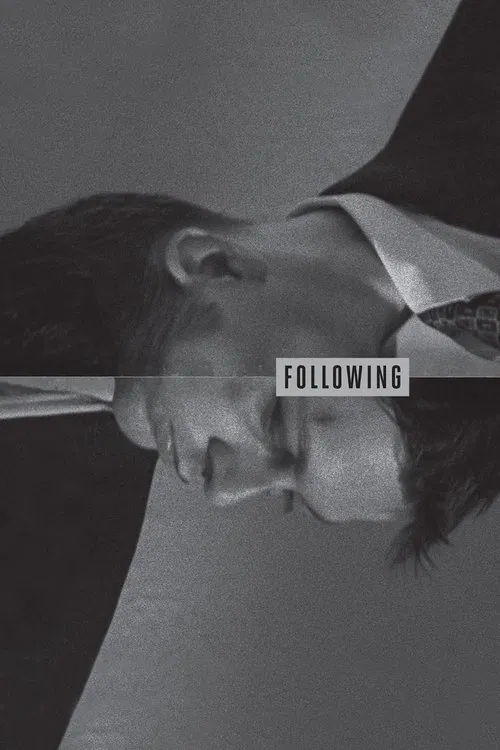
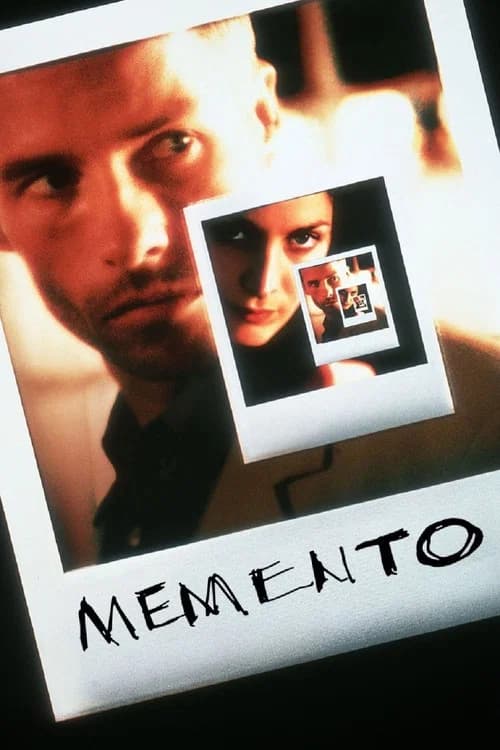
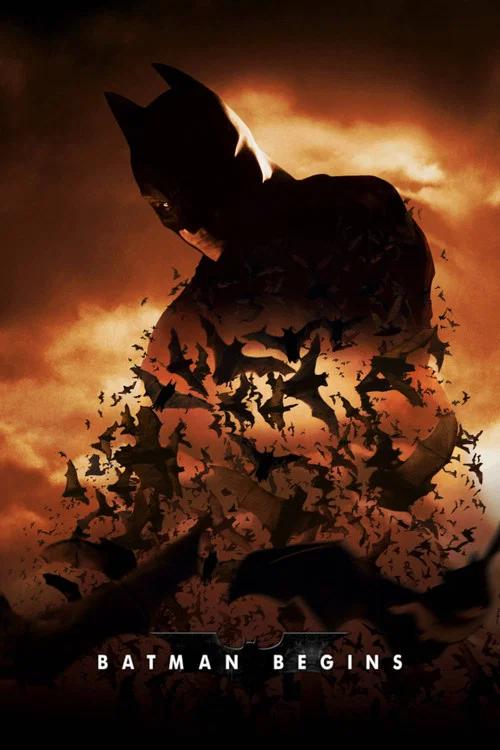
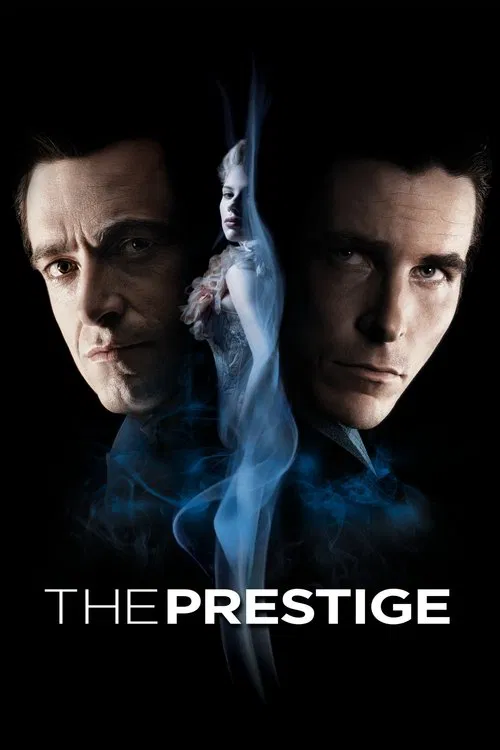
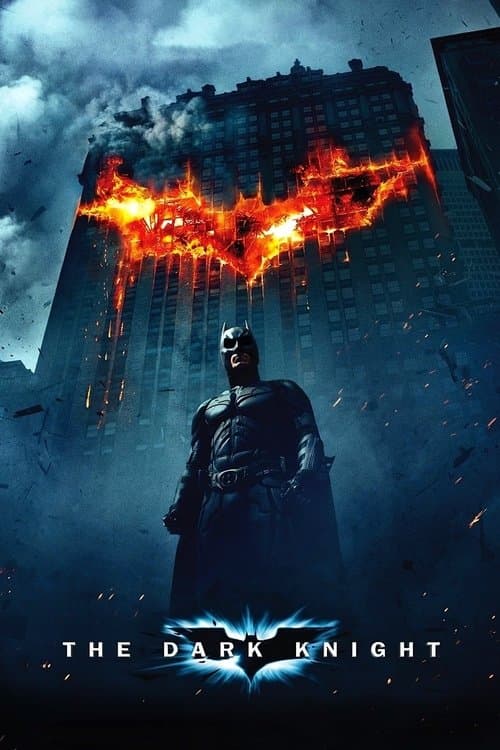
Christopher Nolan directed Insomnia, released in 2002. CineCode also covers Following (1998), Memento (2000), Batman Begins (2005), The Prestige (2006), The Dark Knight (2008), Inception (2010).
What films are similar to Insomnia?
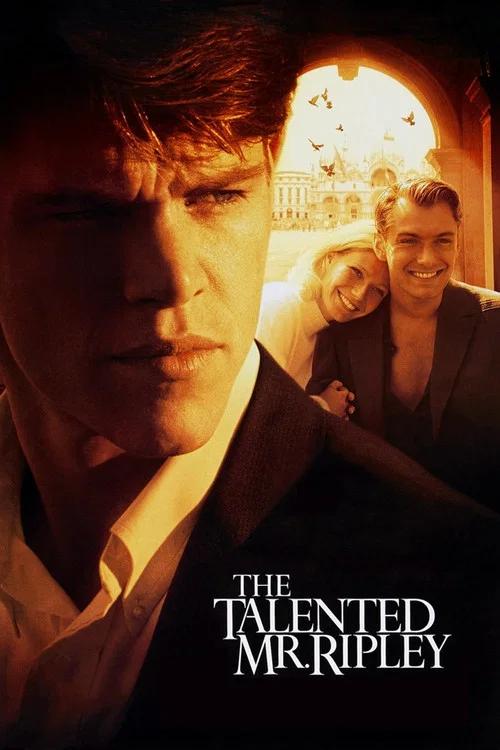
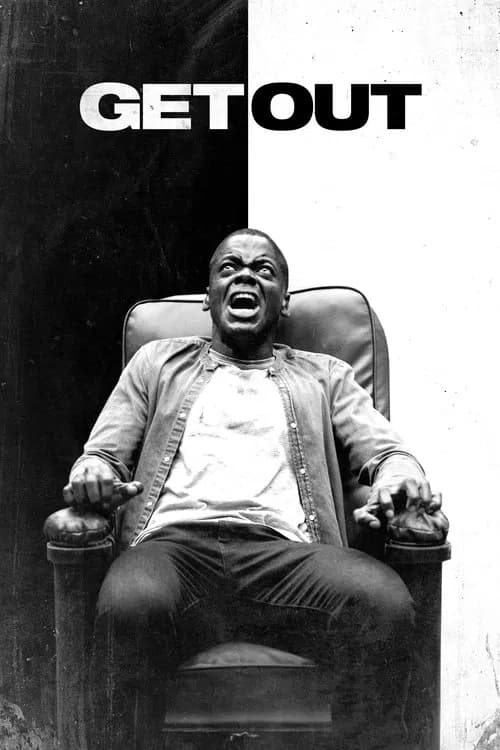
Films that share techniques with Insomnia include All About Eve (1950), Shadow of a Doubt (1943), The Talented Mr. Ripley (1999), Get Out (2017).