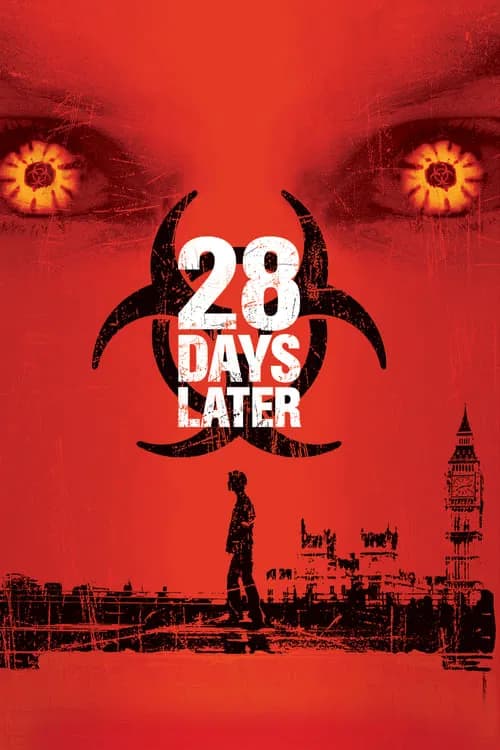
A bicycle courier wakes from a coma to find London empty. The population has fled a rage virus that turns the infected into something between human and animal. He joins a small group of survivors trying to reach a military sanctuary that may or may not exist. Danny Boyle's film uses the zombie genre to ask what civilization is made of.
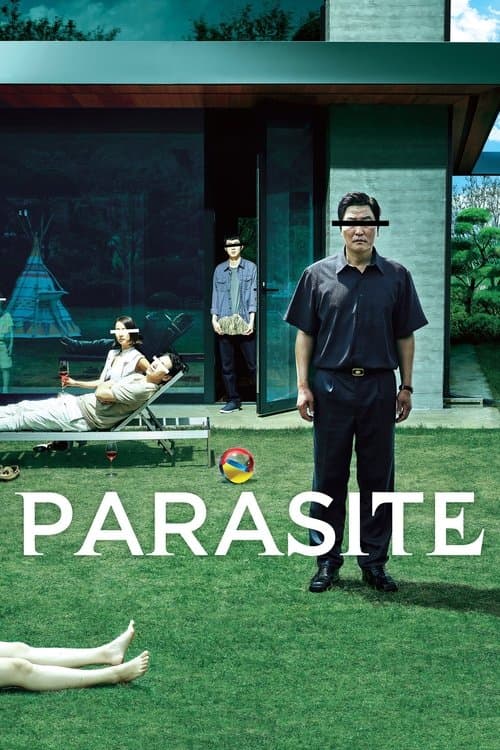
28 Days Later is a 2002 horror, science fiction and drama film directed by Danny Boyle. This breakdown covers 4 techniques (2 narrative and 2 cinematography), each with the scene where you can see it. If you like how it is made, Parasite uses several of the same techniques.
Opening the film with a long stretch that has no dialogue. Images, sound and performance alone set up the characters, their world and what is at stake.
How this film uses it
Boyle opens with 15 minutes of Jim alone in an empty London (hospitals, streets, Parliament Square, the Thames). The empty city sets up the premise by piling up images with no explanation. The silence of the place says as much as any dialogue could.
Where to see it
Jim walking through Whitehall, through Westminster Bridge, through the City. London's famous landmarks have no people in them. The silence does work that 100 lines of explanation couldn't.
Shooting with a handheld camera so the frame shakes and moves with the action. This documentary-style look, called cinema vérité, puts you uncomfortably close to the character.
How this film uses it
Anthony Dod Mantle shot on digital video, which was a radical choice for a film made for cinemas back then. It makes pandemic London look like a documentary. The empty locations feel like they were really recorded, and the digital grain makes the film look like evidence of something real.
Where to see it
The infected attack sequences. Consumer digital video handles darkness poorly, so many night scenes were shot day for night. The rough image still makes the attacks feel chaotic and dangerous.
Setting up a film to look like a familiar genre, then breaking that genre's rules on purpose. You have to rethink what kind of story you are watching.
How this film uses it
Boyle uses the conventions of the zombie film to move the horror from the infected to the uninfected. The soldiers at the military base turn violent against the survivors. That shows the rage virus has only sped up a brutality that was already built into society. That is, the real horror is how the uninfected survivors behave.
Where to see it
The military compound reveal. The soldiers have a plan for the female survivors. It says outright what the zombie genre was always trying to say about the violence that organized society contains and permits.
Treating a small town as more than a setting. Its buildings, lighting and relationships show the community's values and limits, which shape what the characters can do and what gets destroyed.
How this film uses it
London's famous landmarks are stripped of their symbolic weight, and its streets are empty of the crowds that give them meaning. The city stops being a tourist map and becomes a moral landscape. It asks what civilization consists of once you take the population away.
Where to see it
The survivors' journey down the empty motorway toward the promised sanctuary. The familiar landscape of British daily life turns alien without its people. The setting itself makes you question what turns a place into a society.
Questions
28 Days Later: quick answers
What filmmaking techniques does 28 Days Later use?
CineCode breaks down 4 techniques in 28 Days Later (2002): Dialogue-Free Opening Act, Handheld Cinema Vérité, Genre Subversion and Small Town as Moral Geography.
Who directed 28 Days Later?
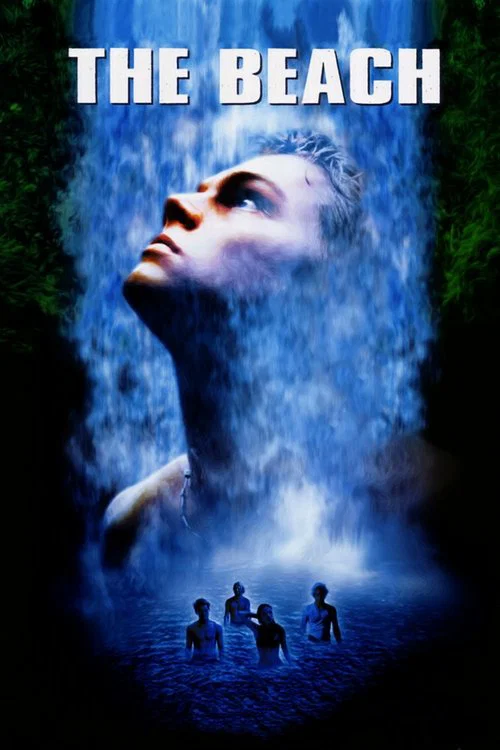
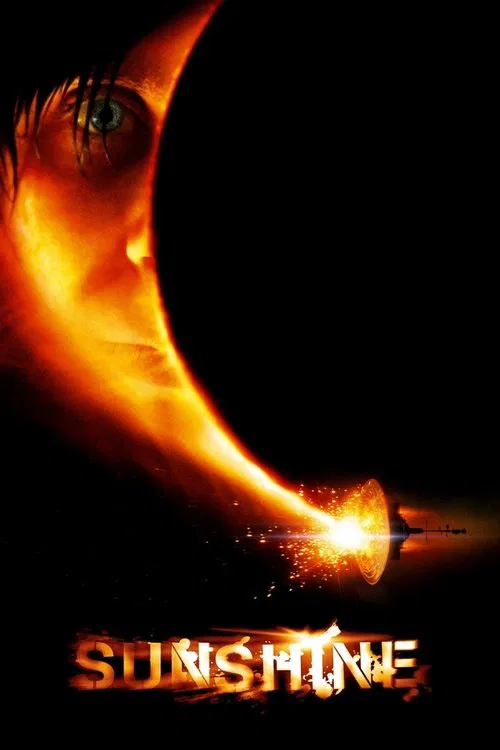
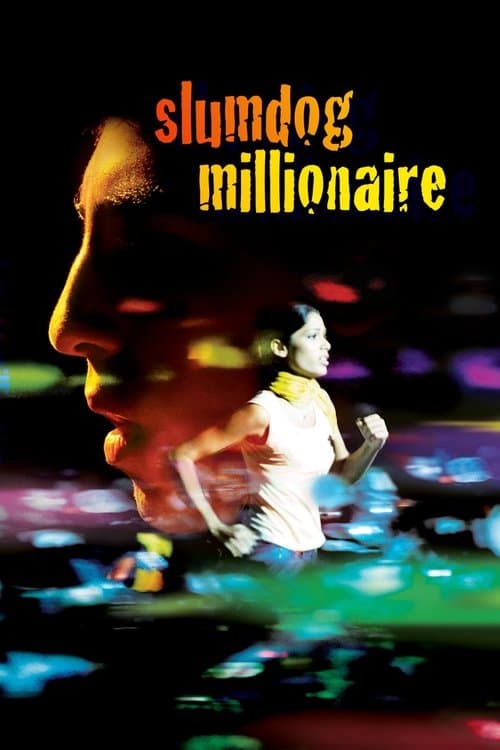
Danny Boyle directed 28 Days Later, released in 2002. CineCode also covers Shallow Grave (1994), Trainspotting (1996), A Life Less Ordinary (1997), The Beach (2000), Sunshine (2007), Slumdog Millionaire (2008).
What films are similar to 28 Days Later?
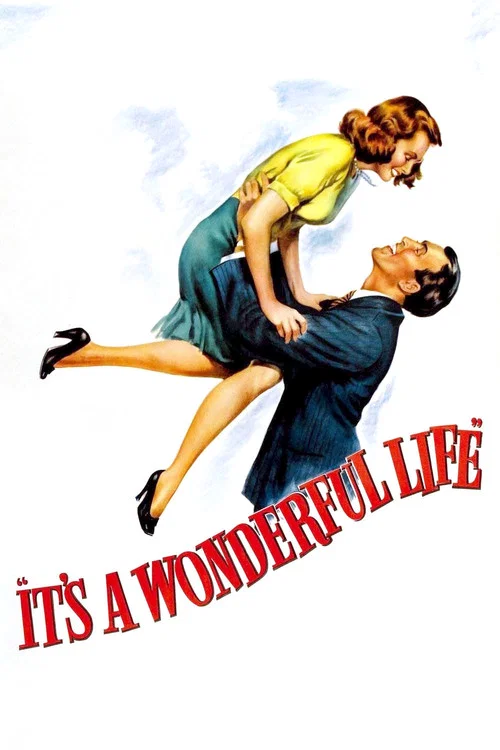
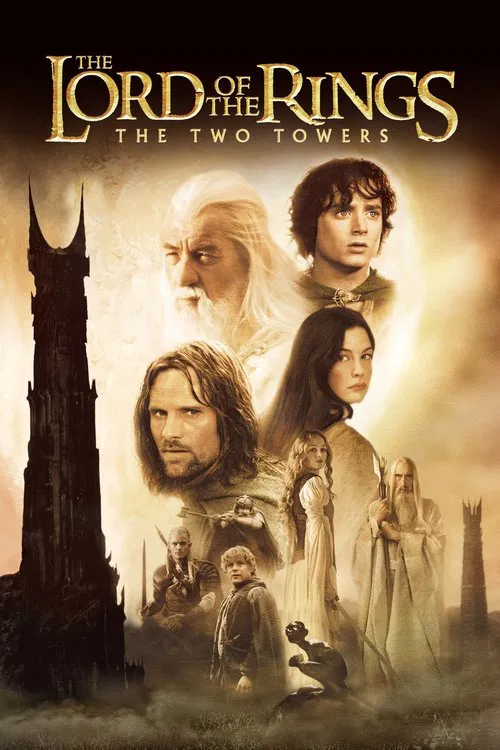
Films that share techniques with 28 Days Later include Parasite (2019), Black Swan (2010), Schindler's List (1993), It's a Wonderful Life (1946).