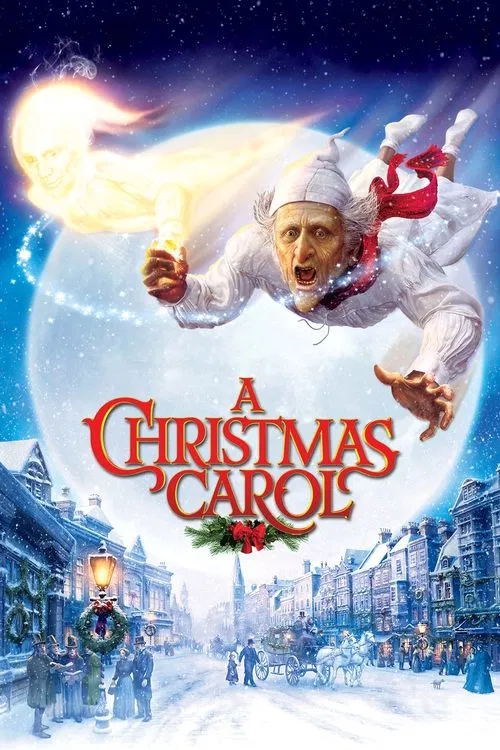
Animation · Fantasy · Family

A Christmas Carol

Robert Zemeckis, 2009

On Christmas Eve in Victorian London, the miserly Ebenezer Scrooge is visited by his dead partner and three spirits. They show him his past, the present and a grave with his name on it. This version is worth watching for how Jim Carrey's motion-captured performance covers Scrooge and all three ghosts.

A Christmas Carol (2009) poster

At a glance

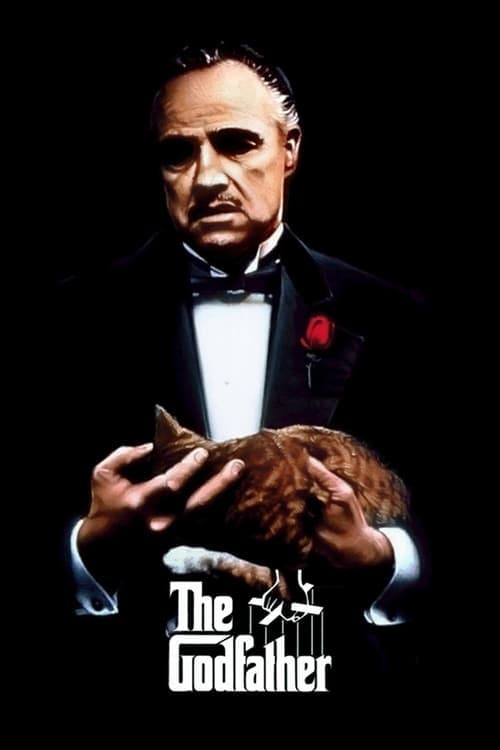
A Christmas Carol is a 2009 animation, fantasy and family film directed by Robert Zemeckis. This breakdown covers 5 techniques (1 cinematography, 3 narrative and 1 psychology), each with the scene where you can see it. If you like how it is made, The Godfather uses several of the same techniques.

Cinematography

Performance Capture Pioneer

Recording an actor's body movements and facial expressions and using that data to drive a fully digital character. The human performance survives inside a non-human form.

How this film uses it

Jim Carrey's movements and expressions drive Scrooge as a digital character in Victorian London. The same method turns Gary Oldman into Bob Cratchit, Marley and Tiny Tim. You get one cast moving through very different bodies.

Where to see it

Marley's visit: Scrooge's dead partner appears in chains and warns that three spirits will visit him over three nights.
Narrative

Guided Time Tour

Sending the hero through scenes from the past, present and future with a guide who comments on them. Seeing events from the outside shows the hero what they missed while living them.

How this film uses it

Each spirit takes Scrooge to a different Christmas. He watches his lonely boarding school days, then the Cratchits' small dinner, then a future where nobody mourns him. Because he can only watch, he has to face what he did.

Where to see it

The Ghost of Christmas Present: The spirit takes Scrooge to Bob Cratchit's house, where the family is content with a small dinner. Scrooge learns that Tiny Tim may not survive.

Narrative

Three-Role Performance

Casting one actor in 3 different roles in the same film. You stay aware of the acting, which stops you sinking into any one character and reminds you that social roles are performances too.

How this film uses it

Carrey plays Scrooge and all three spirits. The Ghost of Christmas Past is a flame-headed candle figure with an Irish accent, and the Ghost of Christmas Present is a towering red-bearded man with a Yorkshire accent. It suggests that every ghost is a piece of Scrooge himself, which is one reading of the casting.

Where to see it

The three spirits: Scrooge meets a candle-like Ghost of Christmas Past, a jolly Ghost of Christmas Present and a hooded Ghost of Christmas Yet to Come. All are played by Carrey.

Psychology

Mortality Confrontation Arc

Making a character face their own death or age, so time becomes visible. The confrontation changes what they value.

How this film uses it

The last spirit shows Scrooge a dead man whom people mock or ignore. Only when he sees the tombstone with his own name does the fear land. His reaction is panic, and it pushes him to change.

Where to see it

The cemetery: The Ghost of Christmas Yet to Come points to a tombstone bearing Scrooge's name. Scrooge is horrified and vows to change.

Narrative

Character Arc Inversion

Taking a character to the opposite of where they started, such as from weak to strong or from decent to compromised. That reversal is what the film is about.

How this film uses it

Scrooge starts the film turning away charity collectors and begrudging Bob a day off. He ends it sending the Cratchits a turkey and raising Bob's pay. The whole story is about that reversal.

Where to see it

Christmas morning: Scrooge wakes in his bedroom and spreads joy across London. He sends the Cratchits a turkey, helps one of the gentlemen and joins Fred's dinner.

Questions

A Christmas Carol: quick answers

What filmmaking techniques does A Christmas Carol use?
CineCode breaks down 5 techniques in A Christmas Carol (2009): Performance Capture Pioneer, Guided Time Tour, Three-Role Performance, Mortality Confrontation Arc and Character Arc Inversion.
Who directed A Christmas Carol?
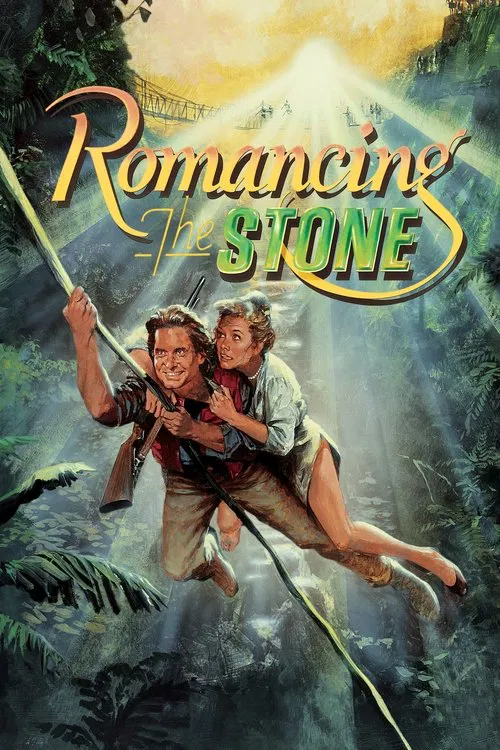
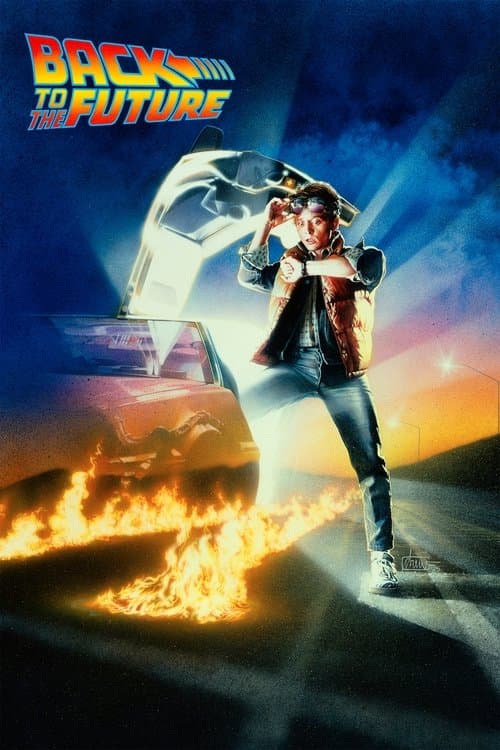
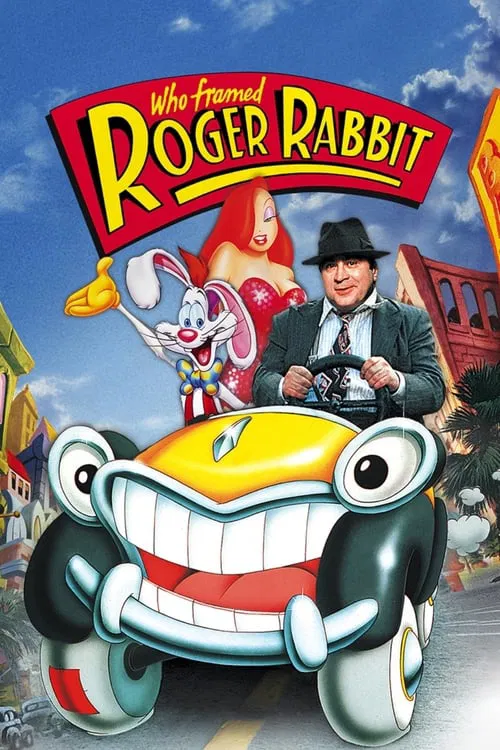
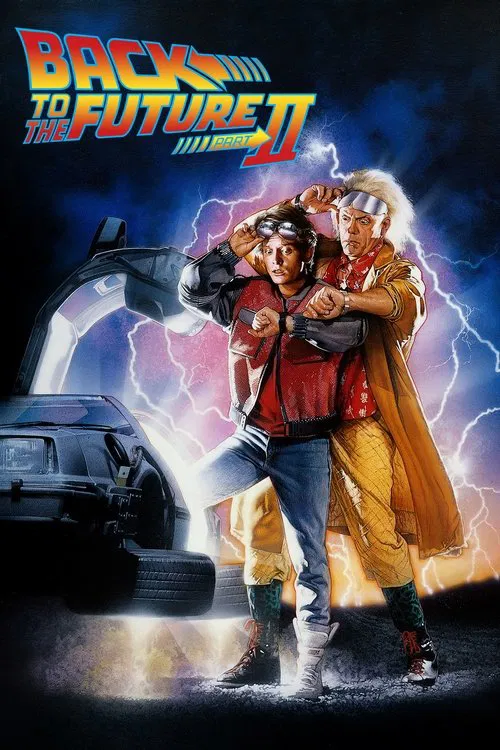
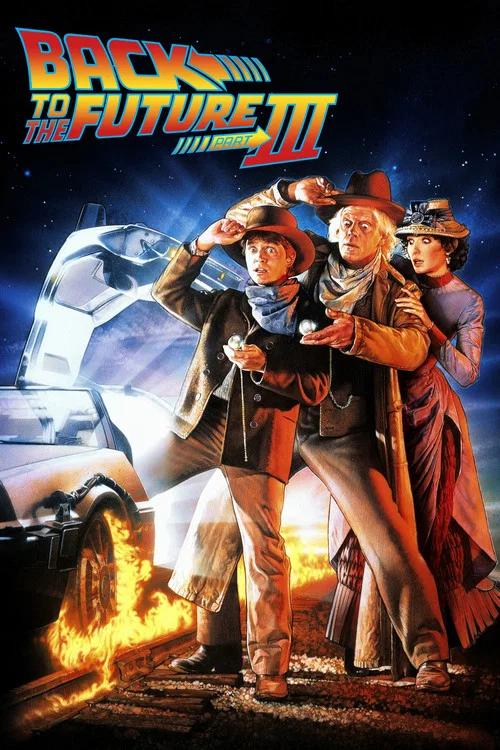
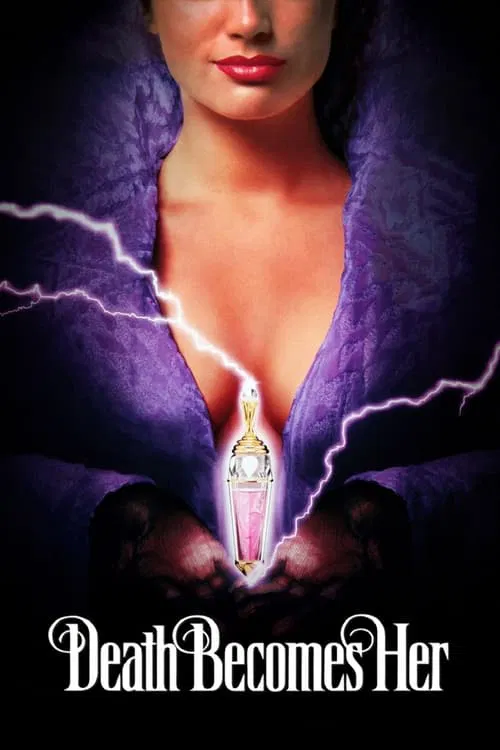
Robert Zemeckis directed A Christmas Carol, released in 2009. CineCode also covers Romancing the Stone (1984), Back to the Future (1985), Who Framed Roger Rabbit (1988), Back to the Future Part II (1989), Back to the Future Part III (1990), Death Becomes Her (1992).
What films are similar to A Christmas Carol?
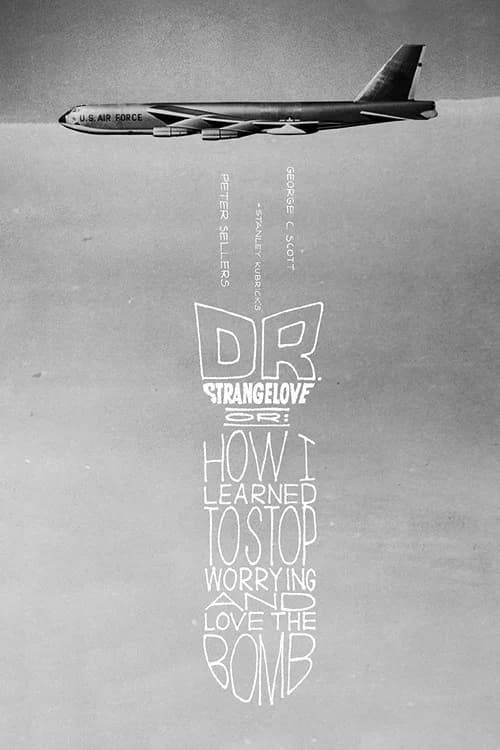
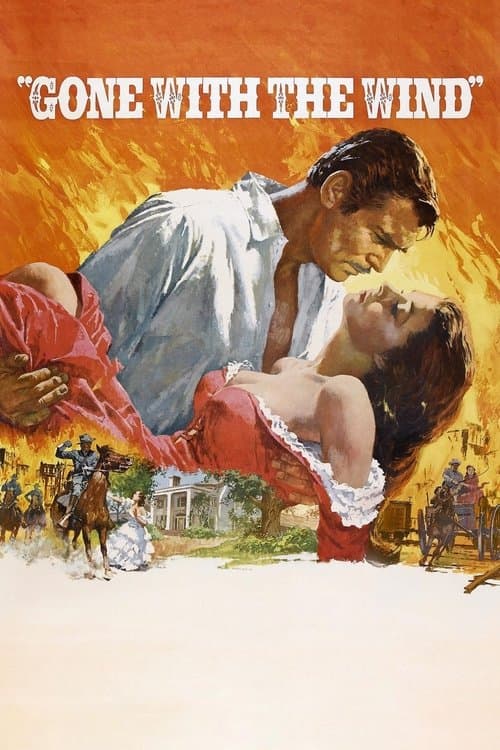
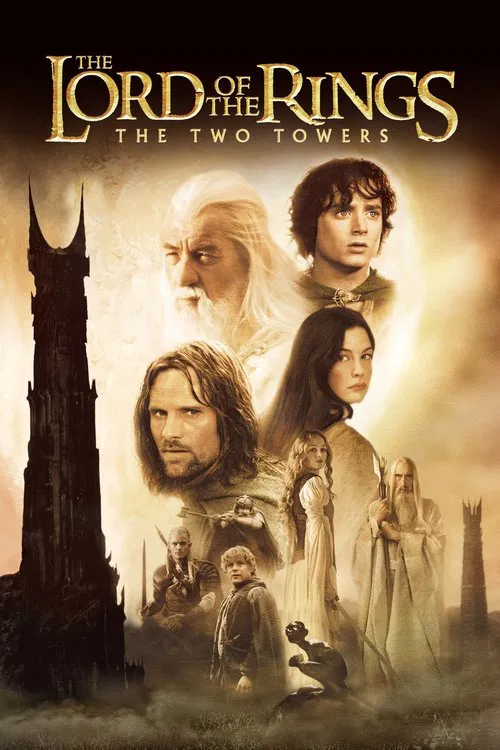
Films that share techniques with A Christmas Carol include The Godfather (1972), The Lord of the Rings: The Two Towers (2002), Dr. Strangelove (1964), Gone with the Wind (1939).