Romance · War · Thriller

Allied

Robert Zemeckis, 2016

In 1942, a Canadian intelligence officer and a French Resistance fighter pose as a married couple on a mission in Casablanca and fall in love. Two years later, his superiors say she may be a German spy. Watch how the film builds a marriage and then tests it.

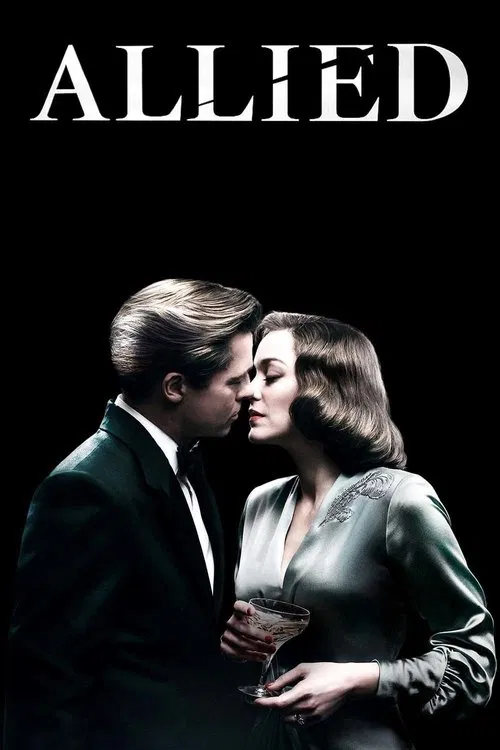
Allied (2016) poster

At a glance

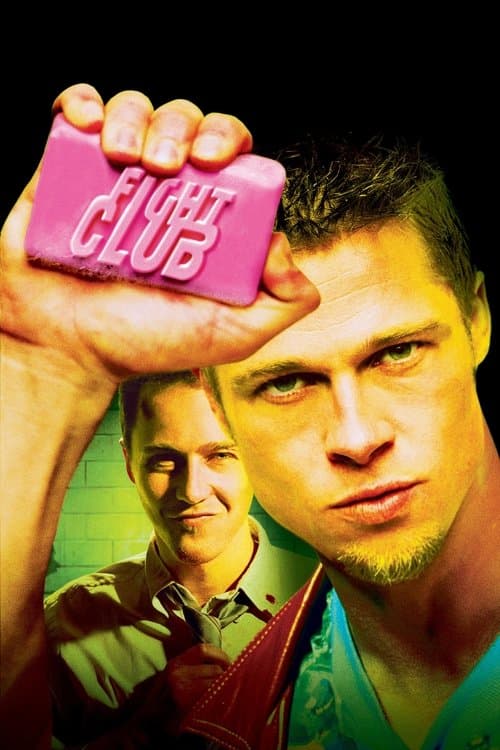
Allied is a 2016 romance, war and thriller film directed by Robert Zemeckis. This breakdown covers 4 techniques (1 cinematography, 1 psychology, 1 narrative and 1 sound), each with the scene where you can see it. If you like how it is made, Fight Club uses several of the same techniques.

Cinematography

Color Grading as Psychology

Adjusting the film's overall color, such as how warm, cold or vivid it looks, to match a character's emotional state. It can also separate different realities or states of mind.

How this film uses it

Cinematographer Don Burgess and Zemeckis split the film into 6 different visual looks to match changing tone and settings. The shifts help you feel when the couple's world is warm, tense or closing in. The look tells you where the story stands before anyone speaks.

Where to see it

From Casablanca to London: After the assassination in Casablanca, Max and Marianne marry and settle in Hampstead with their daughter Anna.
Psychology

Protective Fiction

Having a character invent and keep up a false version of reality to shield someone they love, or themselves, from a truth too painful to bear. The lie is a way to survive.

How this film uses it

The cover marriage in Casablanca turns into a real marriage. Marianne also keeps a bigger lie going, and she says she did it because German agents threatened her daughter. You can read the film as asking whether a lie told for love still counts as love.

Where to see it

The pub: Marianne admits she is a spy and says she sent the message Max left in plain view. She insists her feelings for him are real.

Narrative

Infiltration and Suspicion

Driving the plot with a hidden infiltrator or a suspected partner, so characters must test loyalty while trust and identity are constantly in doubt.

How this film uses it

The Special Operations Executive tells Max his wife may be a spy. They set a trap in which Max writes false intelligence at home. If it turns up in German transmissions, he must kill her.

Where to see it

The blue dye test: Max writes false information at home where Marianne can find it. He waits to see if it appears in intercepted German messages.

Sound

Song as Character Expression

Using a song or music contest to show who a character is or what they stand for. The music works as argument, duel or revelation.

How this film uses it

Delamare tells Max that Marianne was a talented pianist who once played La Marseillaise in a cafe in defiance of the Germans. Back in London, Max brings her to a pub and tells her to play the piano. The piano becomes the test of who she is.

Where to see it

The pub piano: Max demands that Marianne play the piano after hearing Delamare's story. She admits that she is a spy.

Questions

Allied: quick answers

What filmmaking techniques does Allied use?
CineCode breaks down 4 techniques in Allied (2016): Color Grading as Psychology, Protective Fiction, Infiltration and Suspicion and Song as Character Expression.
Who directed Allied?
Robert Zemeckis directed Allied, released in 2016. CineCode also covers Romancing the Stone (1984), Back to the Future (1985), Who Framed Roger Rabbit (1988), Back to the Future Part II (1989), Back to the Future Part III (1990), Death Becomes Her (1992).
What films are similar to Allied?
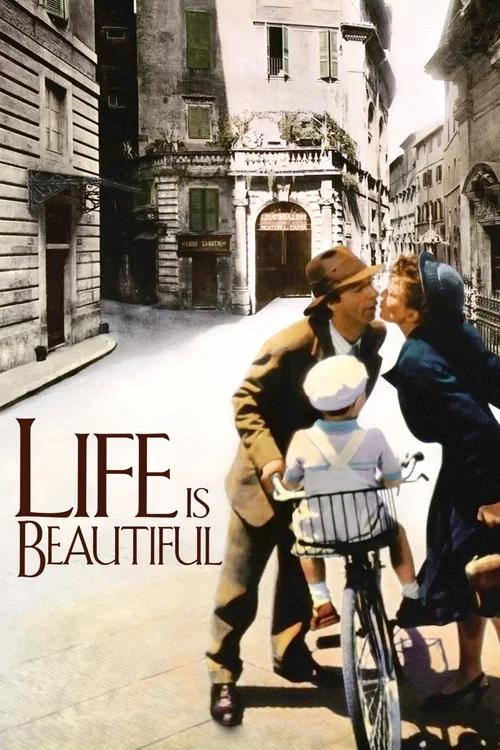
Films that share techniques with Allied include Fight Club (1999), Life is Beautiful (1997), The Departed (2006), Paths of Glory (1957).