Horror · Mystery · Drama

Twin Peaks: Fire Walk with Me

David Lynch, 1992

This prequel to the TV series starts with the murder of Teresa Banks, then follows the last days of Laura Palmer's life in Twin Peaks as her secrets close in on her. Lynch turns a quirky TV mystery into a painful horror film. Watch for how the film treats Laura as a person, not a corpse.

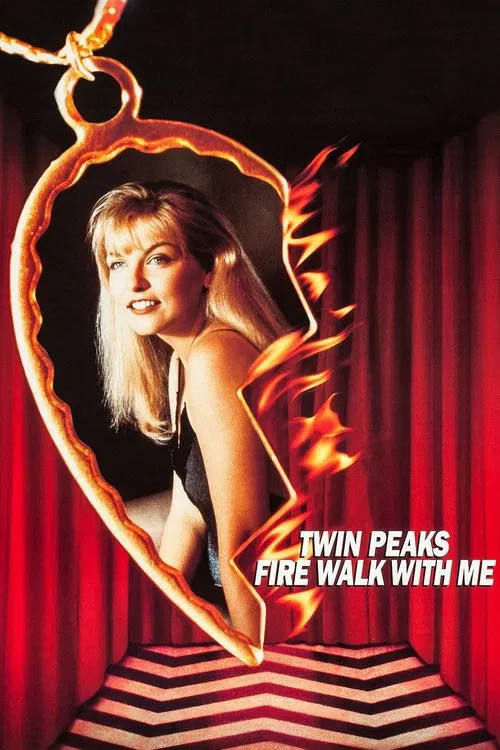
Twin Peaks: Fire Walk with Me (1992) poster

At a glance

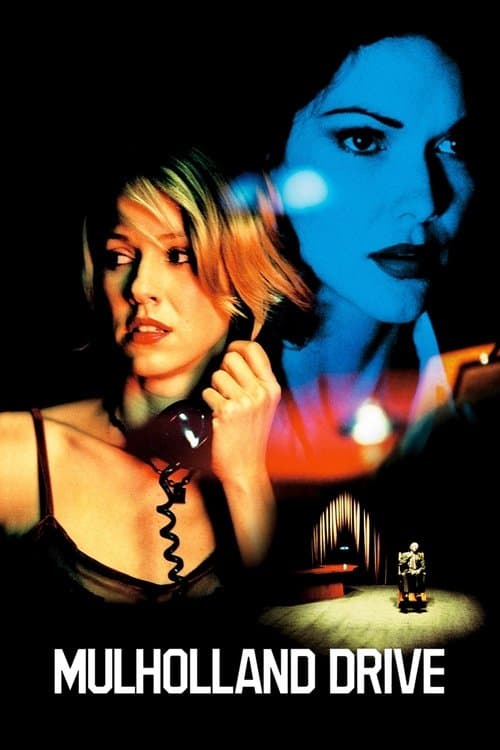
Twin Peaks: Fire Walk with Me is a 1992 horror, mystery and drama film directed by David Lynch. This breakdown covers 4 techniques (2 narrative, 1 cinematography and 1 psychology), each with the scene where you can see it. If you like how it is made, Mulholland Drive uses several of the same techniques.

Narrative

Dream Logic Structure

Arranging scenes the way a dream moves, where one image leads to the next by feeling or association. Events don't follow normal cause and effect.

How this film uses it

Lynch moves into the Red Room, where a future version of Cooper and the Man from Another Place talk to Laura like figures in a dream. Nothing in these scenes follows normal cause and effect, yet each one pushes Laura toward her fate. You feel the warning before you can explain it.

Where to see it

Laura's Red Room dream. The Man from Another Place offers her Teresa's ring, and Cooper tells her to refuse it.

Cinematography

Small Town as Moral Geography

Treating a small town as more than a setting. Its buildings, lighting and relationships show the community's values and limits, which shape what the characters can do and what gets destroyed.

How this film uses it

The film opens in Deer Meadow, where hostile locals stonewall two FBI agents, then moves to the Twin Peaks you know from the series. The two towns work like a parallel-universe pair, and both hide ugly things behind ordinary-looking places. By the end, you can't trust the comfort of Laura's hometown.

Where to see it

The Deer Meadow investigation. Agents Chester Desmond and Sam Stanley examine Teresa Banks' body, meet unfriendly locals and find her ring.

Psychology

Uncanny

Making something familiar look slightly wrong, like an ordinary house or face that feels off. The dread comes from that strangeness, with no obvious threat on screen.

How this film uses it

Laura's captor in the train car has her father's face, then flickers into the face of Bob, the evil spirit in the series. The shift is quick and wrong. A familiar face turning strange does more damage than any monster mask could.

Where to see it

The train car. Laura's captor flickers between Leland and Bob while she fights him.

Narrative

Earned Catharsis

Building up to a big emotional release slowly, by investing in the characters and giving small bits of hope. When the release comes, it feels deserved after all the suffering.

How this film uses it

After about two hours of dread and cruelty, Lynch lets Laura finally get a moment of release. In the Red Room she meets Cooper and an angel, and she cries tears of joy. The relief hits hard because the film has made you watch what she went through.

Where to see it

The Red Room finale. Laura's spirit meets Cooper and an angel, and she cries with joy.

Questions

Twin Peaks: Fire Walk with Me: quick answers

What filmmaking techniques does Twin Peaks: Fire Walk with Me use?
CineCode breaks down 4 techniques in Twin Peaks: Fire Walk with Me (1992): Dream Logic Structure, Small Town as Moral Geography, Uncanny and Earned Catharsis.
Who directed Twin Peaks: Fire Walk with Me?
David Lynch directed Twin Peaks: Fire Walk with Me, released in 1992. CineCode also covers Eraserhead (1977), The Elephant Man (1980), Dune (1984), Blue Velvet (1986), Wild at Heart (1990), Lost Highway (1997).
What films are similar to Twin Peaks: Fire Walk with Me?
Films that share techniques with Twin Peaks: Fire Walk with Me include Mulholland Drive (2001), Three Billboards Outside Ebbing, Missouri (2017), Blue Velvet (1986), The Banshees of Inisherin (2022).