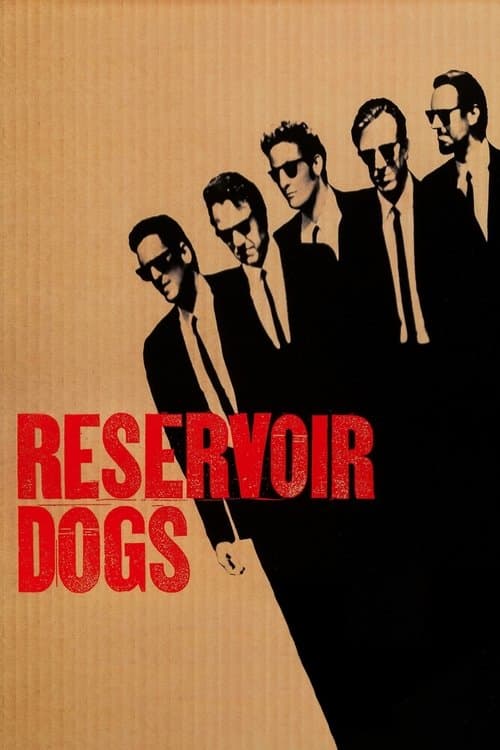
Reservoir Dogs
Quentin Tarantino · 1992
The aftermath of a diamond heist gone catastrophically wrong plays out in a warehouse as the surviving thieves — all using color-coded pseudonyms — try to determine which of them is the police informant. Tarantino's debut is a diamond-sharp exercise in tension, dialogue, and the grammar of the crime film.
Techniques Used
5 techniques identified in this film
Non-Linear Narrative
NarrativePresenting story events out of chronological order to create suspense, reveal character, or mirror psychological states.
How this film uses it
The heist itself is never shown — instead, Tarantino builds it through fragmented pre- and post-event scenes, making the viewer reconstruct what happened from traumatized witnesses.
Single-Location Cinematography
CinematographyConfining most or all of the action to a single enclosed space, using production design and movement to create variety within constraint.
How this film uses it
The warehouse where the surviving criminals reconvene becomes a pressure cooker — Tarantino generating enormous variety of camera position, lighting, and dramatic geography within a single industrial space.
In Medias Res
NarrativeBeginning the story in the middle of action, with no expository setup, dropping the audience directly into the current moment.
How this film uses it
The film opens in the diner before the job — before we know what the job is, who these people are, or what will happen — and then cuts directly to the aftermath without showing the event between.
Pop Culture Monologue
NarrativeExtended character speeches organized around the analysis of pop culture artifacts — films, music, TV — that reveal character through the texture of taste.
How this film uses it
Mr. Brown's opening analysis of Madonna's 'Like a Virgin' establishes Tarantino's world immediately — characters who define themselves and each other through cultural reference rather than action.
Withheld Murder Scene
NarrativeDeliberately keeping acts of violence off-screen, using absence to create greater dread than any shown violence could produce.
How this film uses it
The torture scene is the film's most notorious — Mr. Blonde's dance, the razor, the ear — but the actual cutting happens off-screen, Tarantino panning away at the critical moment and returning to aftermath.
You Might Also Like
Films that share at least one technique with Reservoir Dogs
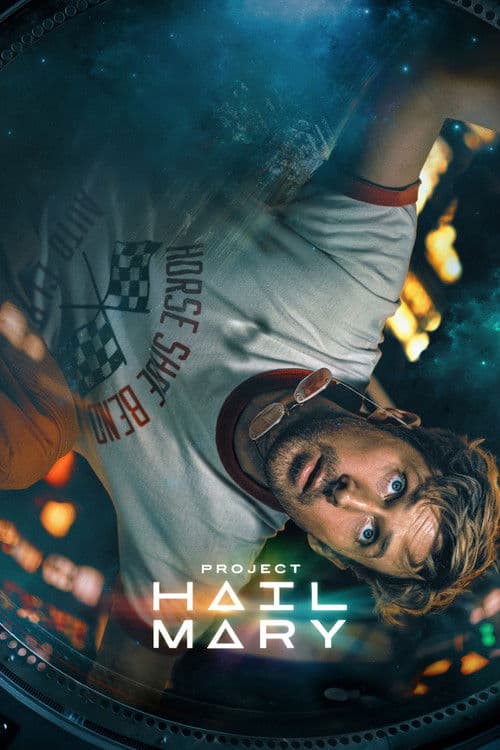
An astronaut wakes up alone on a spacecraft with no memory, slowly piecing together that he is humanity's last hope against an extinction-level threat. A first-contact survival story that finds warmth and humor in the void of deep space.
Project Hail Mary
Phil Lord & Christopher Miller · 2026
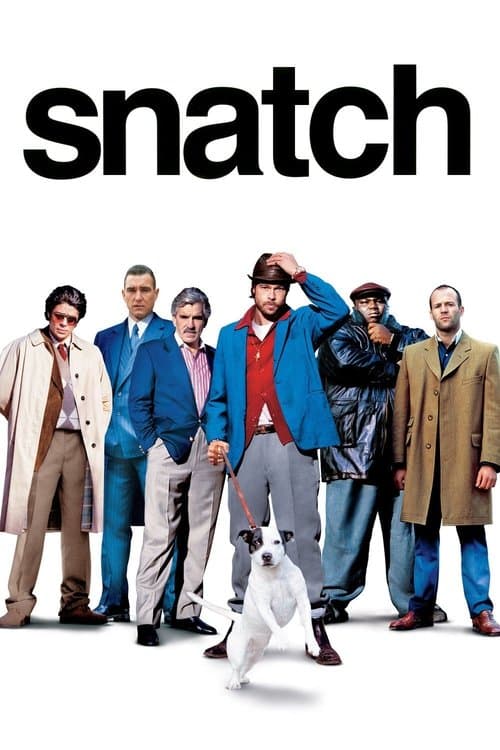
A stolen diamond, a bare-knuckle boxing match, and a series of spectacularly unlucky criminals converge in a chaos of escalating misfortune across London's criminal underworld. Guy Ritchie's second feature is a machine for controlled disorder — every complication is the setup for a worse complication.
Snatch
Guy Ritchie · 2000
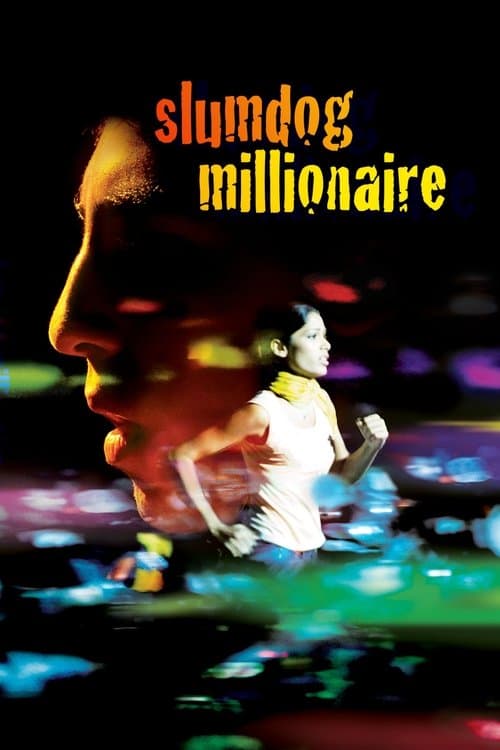
An eighteen-year-old from the Mumbai slums is one question away from winning Who Wants to Be a Millionaire when he is arrested on suspicion of cheating — and each answer he knew is revealed through a flashback to a specific trauma in his childhood. Danny Boyle's film is structured as a puzzle whose pieces are memories.
Slumdog Millionaire
Danny Boyle · 2008