Biography · Drama

The Aviator

Martin Scorsese, 2004

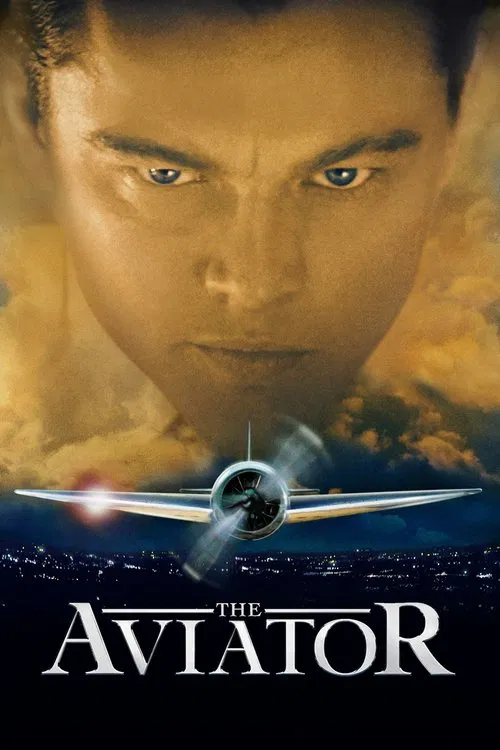
This is the story of Howard Hughes, the rich young filmmaker and aviator who built planes and made Hell's Angels while his obsessive-compulsive disorder (OCD) took hold. Scorsese changes the picture's color to copy old film stocks. You can watch the film as a lesson in how film itself looked in each decade.

The Aviator (2004) poster

At a glance

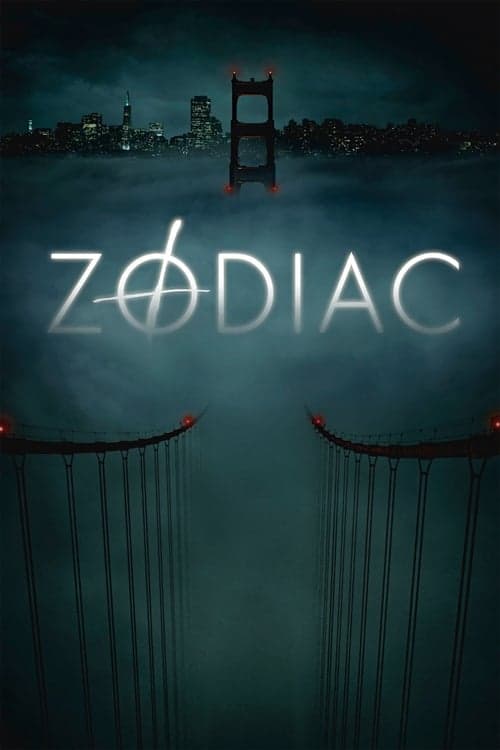
The Aviator is a 2004 biography and drama film directed by Martin Scorsese. This breakdown covers 4 techniques (2 cinematography, 1 narrative and 1 psychology), each with the scene where you can see it. If you like how it is made, Zodiac uses several of the same techniques.

Cinematography

Era-Coded Visual Grammar

Changing the color, film texture and camera style for each time period, and using the fashion and architecture of the day. Every era gets its own distinct feel.

How this film uses it

For roughly the first 52 minutes, the colors lean red and cyan, in imitation of early two-color film processes. After 1935, the grade changes to the rich look of three-strip Technicolor. Robert Richardson shot it. You feel time passing through the picture itself.

Where to see it

The early Hell's Angels scenes. Greens turn blue and the image has the thin, hand-tinted feel of the earliest color movies.
Cinematography

Practical In-Camera Effects

Creating effects physically on set with makeup, prosthetics, built props and camera tricks, with no computer graphics added later. The results look solid and real.

How this film uses it

Scorsese chose scale models over computer graphics for the flying scenes. Aero Telemetry built flyable models of the XF-11 and the Spruce Goose, and some were crashed on purpose. The planes have real weight in the air and on impact.

Where to see it

The XF-11 crash in 1946. The reconnaissance plane loses an engine and comes down over Beverly Hills.

Narrative

Obsession as Structural Engine

Building the whole plot on one character's fixation with a person, goal or rival. Every scene ties back to it, and the obsession keeps feeding itself while it destroys them.

How this film uses it

Hughes wants to make the biggest film, fly the fastest plane and build the biggest aircraft. Each goal feeds the next, and each one costs him more. His OCD grows with the pressure, so the drive that makes him famous also wears him down.

Where to see it

The Senate hearing. Hughes defends himself against Pan Am's bill and promises to finish the H-4 flying boat or leave the country.

Psychology

Obsession and Compulsion Portrait

Showing a character's fixation or addiction through repeated habits, objects and colors. The compulsion drives the behavior and defines who they are more than any speech could.

How this film uses it

Near the end, Hughes keeps saying "the way of the future" over and over while the people around him try to calm him. The phrase stops sounding like an idea and starts sounding like a stuck switch. You feel how far the OCD has taken him.

Where to see it

The restroom scene after the H-4 flight. Glenn Odekirk hides Hughes there while he repeats the phrase and flashbacks to his childhood surface.

Questions

The Aviator: quick answers

What filmmaking techniques does The Aviator use?
CineCode breaks down 4 techniques in The Aviator (2004): Era-Coded Visual Grammar, Practical In-Camera Effects, Obsession as Structural Engine and Obsession and Compulsion Portrait.
Who directed The Aviator?
Martin Scorsese directed The Aviator, released in 2004. CineCode also covers Mean Streets (1973), Alice Doesn't Live Here Anymore (1974), Taxi Driver (1976), New York, New York (1977), Raging Bull (1980), The King of Comedy (1982).
What films are similar to The Aviator?
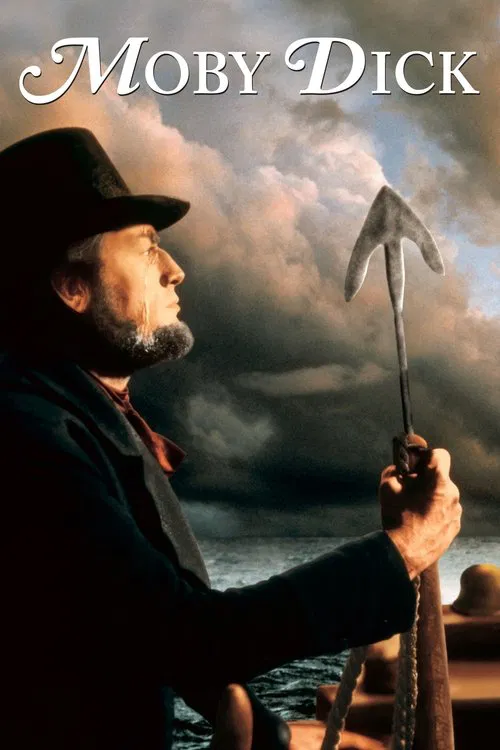
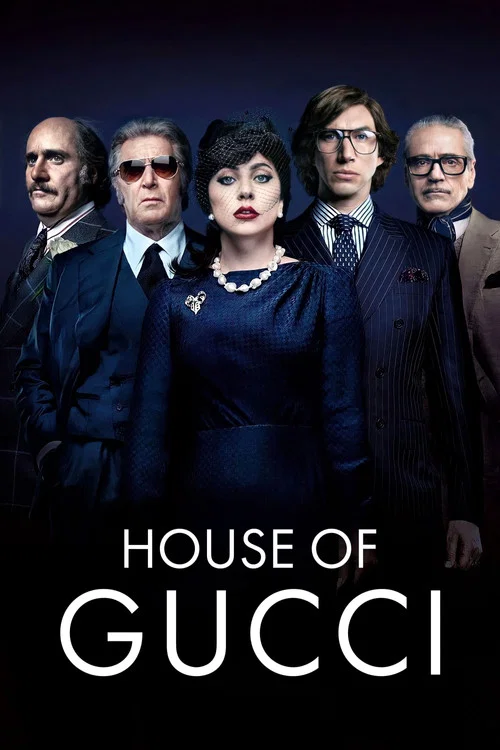
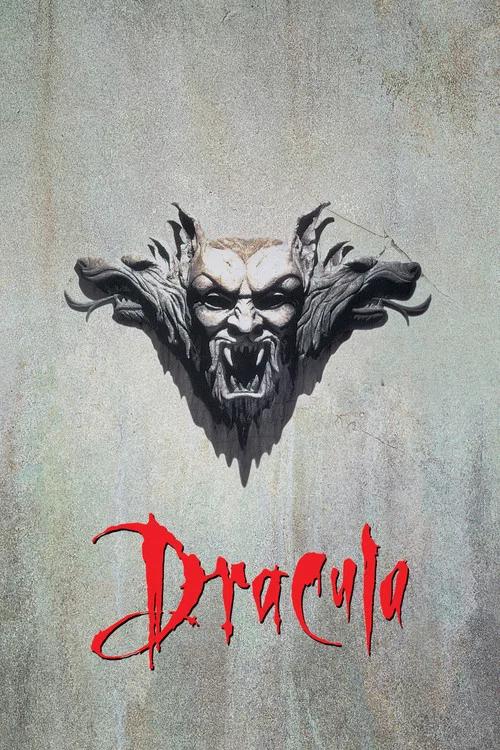
Films that share techniques with The Aviator include Zodiac (2007), Bram Stoker's Dracula (1992), Moby Dick (1956), House of Gucci (2021).