Adventure · Drama

Moby Dick

John Huston, 1956

In 1841, a young sailor named Ishmael joins the whaling ship Pequod and finds its captain, Ahab, ready to sacrifice everyone for revenge on the white whale that took his leg. Watch how Huston gives the sea hunt the look of an old whaling print and builds a giant whale out of models.

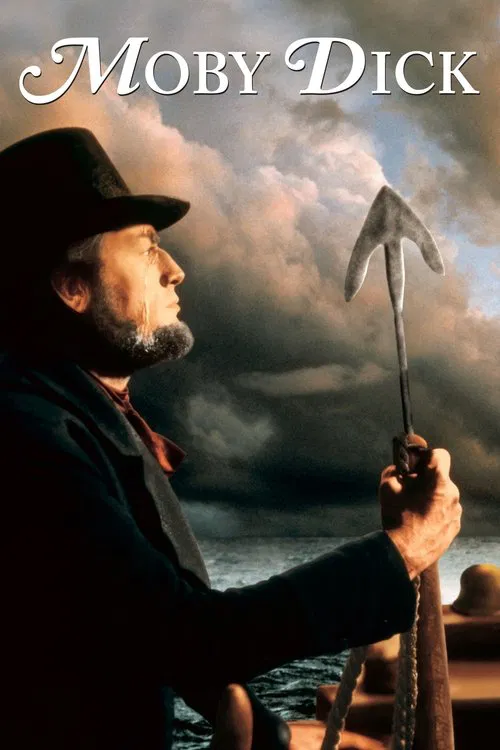
Moby Dick (1956) poster

At a glance

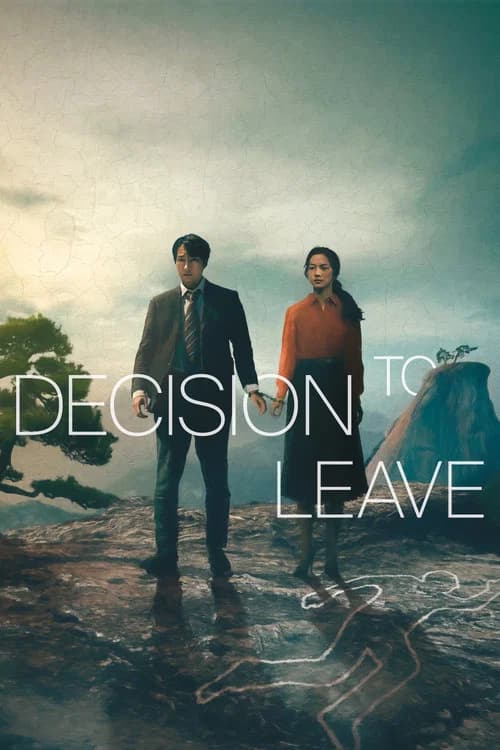
Moby Dick is a 1956 adventure and drama film directed by John Huston. This breakdown covers 5 techniques (2 narrative, 2 cinematography and 1 editing), each with the scene where you can see it. If you like how it is made, Decision to Leave uses several of the same techniques.

Narrative

Obsession as Structural Engine

Building the whole plot on one character's fixation with a person, goal or rival. Every scene ties back to it, and the obsession keeps feeding itself while it destroys them.

How this film uses it

Every choice Ahab makes serves the hunt for the white whale. He drops a successful hunt when he hears the whale was seen near Madagascar, and he waves off a rival captain who begs for help. The crew's lives mean less and less to him as the film goes on.

Where to see it

The Rachel: Captain Gardiner asks Ahab to help search for his son, who was lost to the whale, and Ahab refuses.
Cinematography

Color Grading as Psychology

Adjusting the film's overall color, such as how warm, cold or vivid it looks, to match a character's emotional state. It can also separate different realities or states of mind.

How this film uses it

Cinematographer Oswald Morris laid a black-and-white print over the color print to get the washed-out look of old whaling illustrations. The result is a muted, almost frozen sea instead of a bright adventure. It makes the voyage feel like a doomed legend from the start.

Where to see it

The final chase: the muted color carries through the last hunt, from Ahab's boat being smashed to the sinking of the Pequod.

Cinematography

Practical In-Camera Effects

Creating effects physically on set with makeup, prosthetics, built props and camera tricks, with no computer graphics added later. The results look solid and real.

How this film uses it

The production built a 75 foot whale that drifted off in fog during filming. Most of the white whale shots ended up being models filmed in a water tank at Shepperton Studios. The whale feels heavy and real because it was a physical object in water.

Where to see it

The sinking of the Pequod: Moby Dick smashes the boats and rams the ship until it goes under.

Narrative

Symbolic Object

Returning to the same physical object again and again until it means more than what it is. It moves the plot and also stands for the film's main ideas.

How this film uses it

Early on, Queequeg senses his own death and has a coffin built. Nobody pays it much attention, and it looks like a gloomy detail. In the end it is the thing that keeps Ishmael alive.

Where to see it

Ishmael afloat: after the Pequod goes down, Ishmael holds onto Queequeg's coffin until the Rachel picks him up.

Editing

Callback Editing

Bringing back an earlier image, line, location or piece of staging later in the film, often with the situation reversed. You enjoy recognizing it, and the comparison adds meaning.

How this film uses it

Elijah warns Ishmael and Queequeg before they sail that nearly everyone who follows Ahab will die. The film brings that warning back near the end, and the crew starts to see it coming true. By the last chase, you have been waiting for it for the whole film.

Where to see it

The omen before the last chase: the crew is reminded of Elijah's warning from the start of the voyage as Moby Dick reappears.

Questions

Moby Dick: quick answers

What filmmaking techniques does Moby Dick use?
CineCode breaks down 5 techniques in Moby Dick (1956): Obsession as Structural Engine, Color Grading as Psychology, Practical In-Camera Effects, Symbolic Object and Callback Editing.
Who directed Moby Dick?
John Huston directed Moby Dick, released in 1956. CineCode also covers The Maltese Falcon (1941), The Treasure of the Sierra Madre (1948), Key Largo (1948), The Asphalt Jungle (1950), The African Queen (1951), The Man Who Would Be King (1975).
What films are similar to Moby Dick?
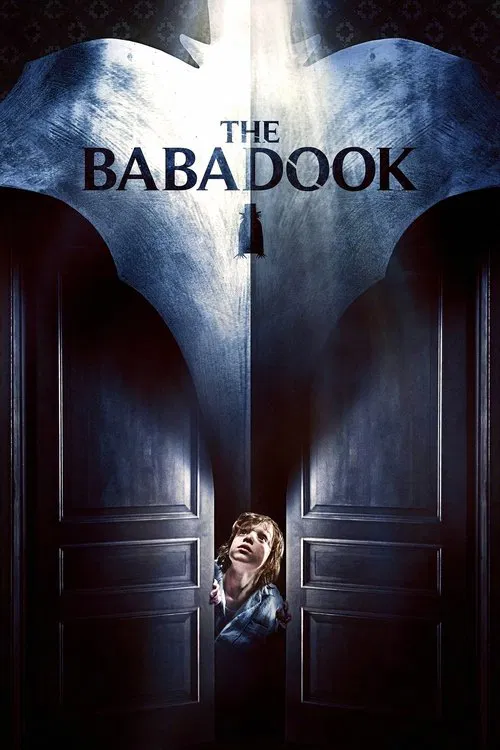
Films that share techniques with Moby Dick include Decision to Leave (2022), The Babadook (2014), Top Gun: Maverick (2022), Enemy (2014).