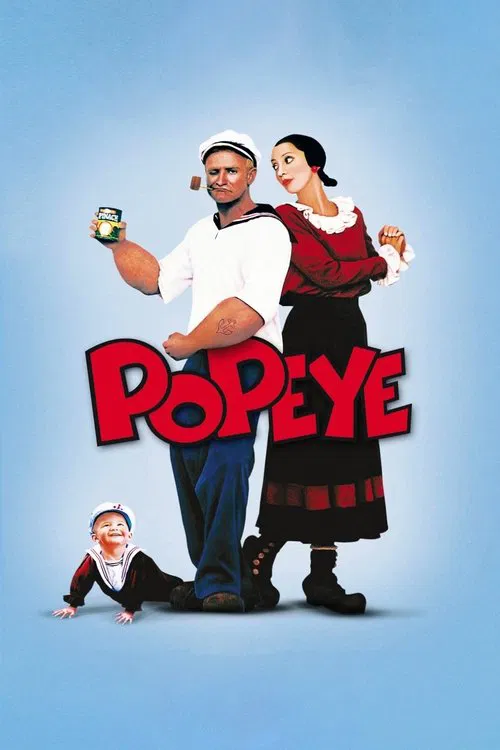
A gruff sailor arrives in the shabby seaside town of Sweethaven looking for his missing father. He ends up adopting a baby, falling for Olive Oyl and facing the town bully Bluto. Worth watching for how Altman builds a whole comic-strip town out of wood and nails and fills it with songs.
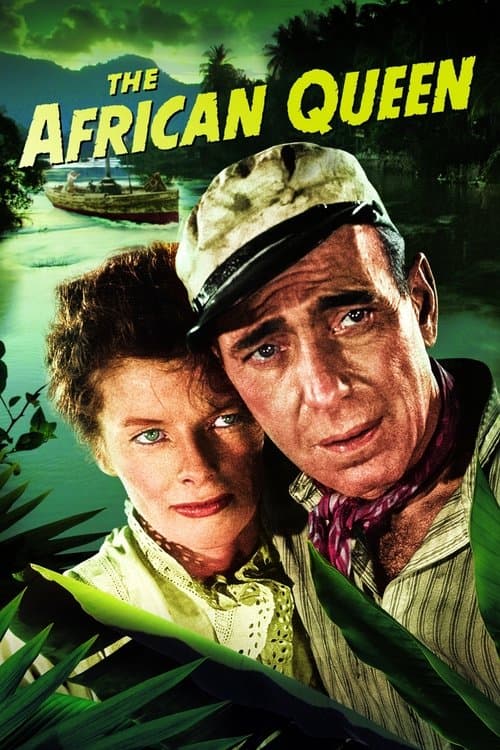
Popeye is a 1980 comedy, musical and adventure film directed by Robert Altman. This breakdown covers 4 techniques (2 cinematography, 1 sound and 1 narrative), each with the scene where you can see it. If you like how it is made, The African Queen uses several of the same techniques.
Building a set so complete, with its own weather, crowds, architecture and social rules, that it feels lived in. It reads as real until one deliberate slip shows that it was built.
How this film uses it
Sweethaven was built for the film as a full seaside village, with crooked wooden houses, a harbor and a boarding house. The weathered boards and uneven roofs make it feel lived in. You believe in the town, and you also see how cartoonish it is, which suits the story.
Where to see it
The arrival in Sweethaven: Popeye reaches the town while searching for his father. He rents a room at the Oyl family boarding house.
Writing songs for the film that carry story, feeling or payoff. Characters burst into music or a theme song resolves the plot.
How this film uses it
Harry Nilsson wrote the songs, and characters sing what they cannot say any other way. The numbers carry feeling and plot instead of pausing them. The mumbly, offbeat style fits characters who are not great at speeches.
Where to see it
Olive's song: Olive Oyl sings about how much Popeye needs her. It shows her feelings turning toward him.
Dropping a character into a world whose social rules they don't understand. The comedy, and some insight too, comes from the constant mismatch between them and everyone around them.
How this film uses it
Popeye is a stranger who does not understand the town's rules or its mean humor. The townspeople bark at him, rob him and ignore him, and he responds with confused politeness. The gap between his simple decency and their pettiness drives the jokes.
Where to see it
The engagement party: Popeye tries and fails to fit in with the townsfolk at Olive's party for Bluto. He leaves, and meets Olive outside.
Creating effects physically on set with makeup, prosthetics, built props and camera tricks, with no computer graphics added later. The results look solid and real.
How this film uses it
Robin Williams wore prosthetic forearms to give Popeye his famous anchor-sized arms. Nothing is added by computer, so the cartoon body is a real thing in the frame. It looks silly and solid at once.
Where to see it
The Scab Island fight: Popeye battles Bluto and then the giant octopus Salty Sam after eating spinach. His oversized forearms drive the action.
Questions
Popeye: quick answers
What filmmaking techniques does Popeye use?
CineCode breaks down 4 techniques in Popeye (1980): Set as Total World, Original Songs as Narrative, Fish-Out-of-Water Comedy and Practical In-Camera Effects.
Who directed Popeye?
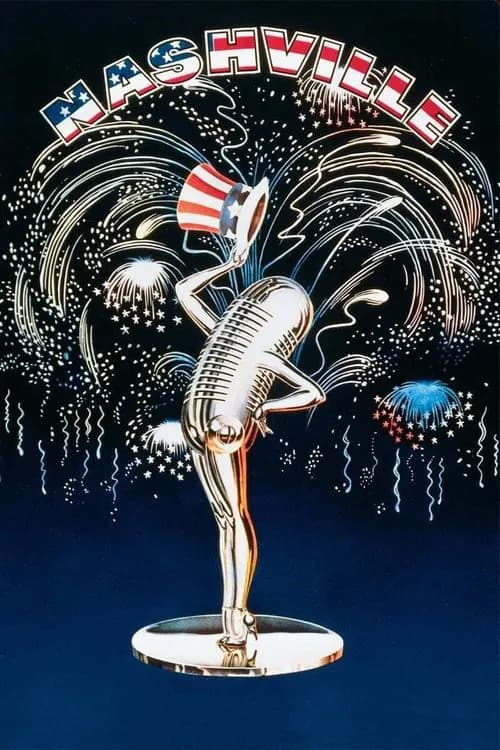
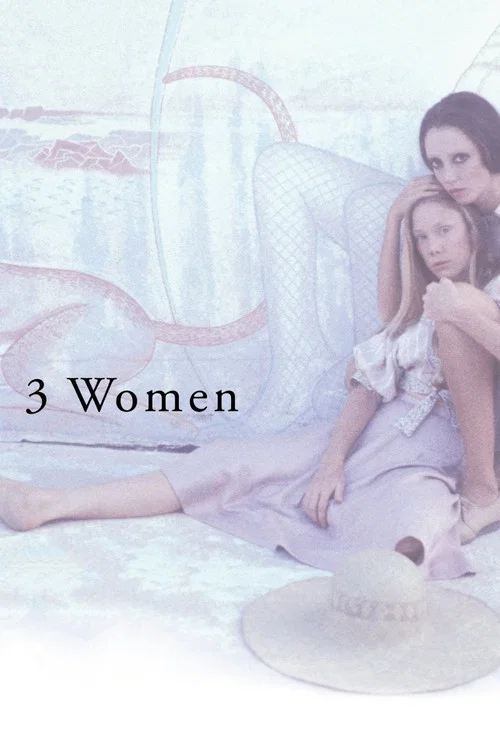
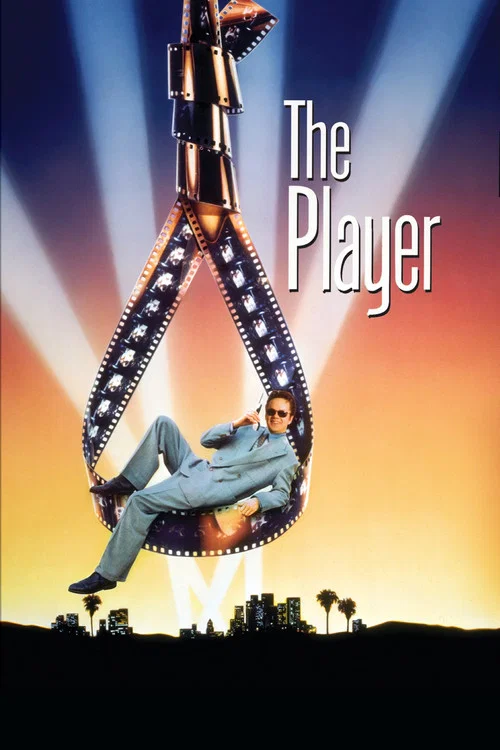
Robert Altman directed Popeye, released in 1980. CineCode also covers M*A*S*H (1970), McCabe & Mrs. Miller (1971), The Long Goodbye (1973), Nashville (1975), 3 Women (1977), The Player (1992).
What films are similar to Popeye?
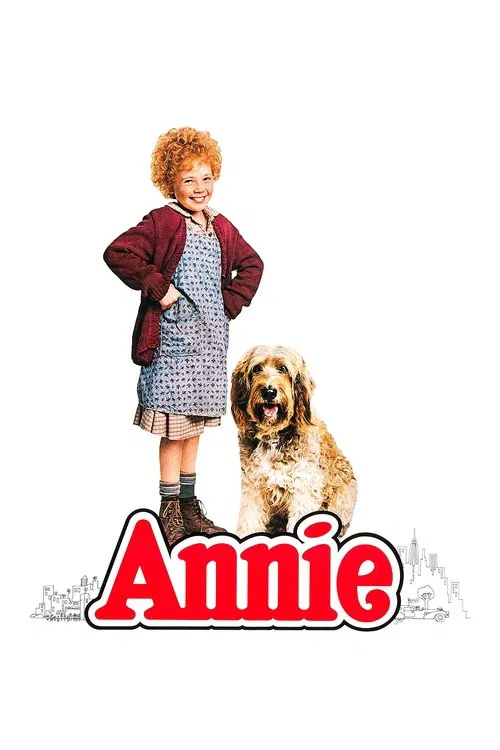
Films that share techniques with Popeye include The African Queen (1951), Annie (1982), Legend (1985), Where the Wild Things Are (2009).