Comedy · Crime

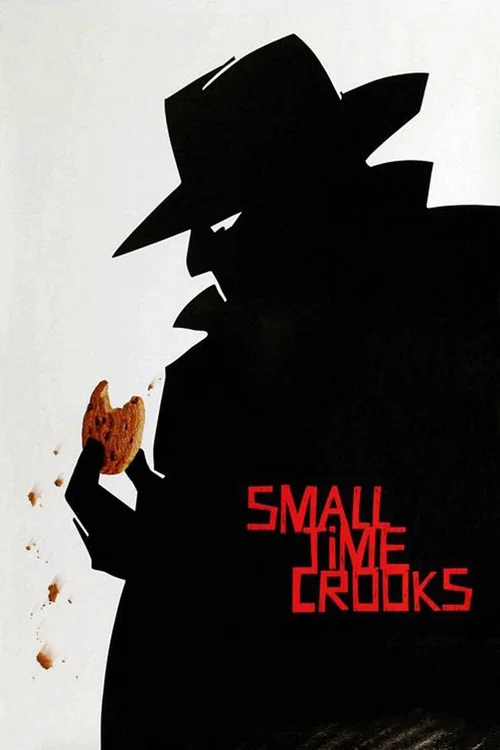
Small Time Crooks

Woody Allen, 2000

Ray, an ex-convict, plans a bank robbery by digging a tunnel from a rented shop, and his wife Frenchy sells cookies upstairs as a cover. The robbery fails, but the cookies make them rich. It is worth watching for how a heist movie turns into a comedy about money and taste.

Small Time Crooks (2000) poster

At a glance

Small Time Crooks is a 2000 comedy and crime film directed by Woody Allen. This breakdown covers 4 techniques (3 narrative and 1 psychology), each with the scene where you can see it. If you like how it is made, After Hours uses several of the same techniques.

Narrative

Genre Subversion

Setting up a film to look like a familiar genre, then breaking that genre's rules on purpose. You have to rethink what kind of story you are watching.

How this film uses it

The film is set up as a heist movie with a tunnel, a crew and a cover business. The heist fails and the cover business succeeds. The crime plot becomes a comedy about money.

Where to see it

The cookie shop. Frenchy sells cookies upstairs while the crew digs toward the bank, and the cookies turn into the real fortune.

Narrative

Fish-Out-of-Water Comedy

Dropping a character into a world whose social rules they don't understand. The comedy, and some insight too, comes from the constant mismatch between them and everyone around them.

How this film uses it

Ray and Frenchy become wealthy and are dropped into a world of art and culture. Frenchy hires art dealer David Perrette, played by Hugh Grant, to teach them about it. They do not know the rules. Their mismatch with the people around them produces the jokes.

Where to see it

David's lessons. Frenchy hires the art dealer to teach her and Ray about culture.

Psychology

Status and Self-Worth Anxiety

Centering a character's fear of being unimportant, replaced or left behind. Their pursuit of rank, success or recognition shows how fragile their self-worth is.

How this film uses it

Frenchy loves her new status and wants to be taken seriously. David uses that, aiming to win her money and marry her. When her accountants defraud her and she loses everything, he drops her. The film suggests how thin the effort to buy status can be.

Where to see it

The fall. Frenchy loses everything, and David drops her immediately.

Narrative

Circular Structure

Ending the film where it started, or with a scene that echoes the opening. The repeat shows what has changed, or suggests the cycle will keep going.

How this film uses it

Ray starts the film as a crook and ends as one. He tries to steal a necklace at a party, but mixes up the real one with his fake. He and Frenchy reunite and plan to retire to Florida. The echo shows what money has done and not done to them.

Where to see it

The party. Ray mixes up a necklace and its fake, and Frenchy reveals a valuable cigarette case she took from David.

Questions

Small Time Crooks: quick answers

What filmmaking techniques does Small Time Crooks use?
CineCode breaks down 4 techniques in Small Time Crooks (2000): Genre Subversion, Fish-Out-of-Water Comedy, Status and Self-Worth Anxiety and Circular Structure.
Who directed Small Time Crooks?
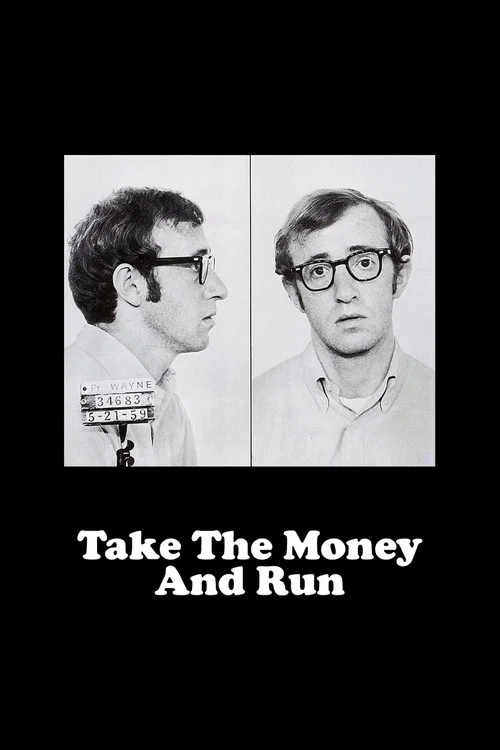
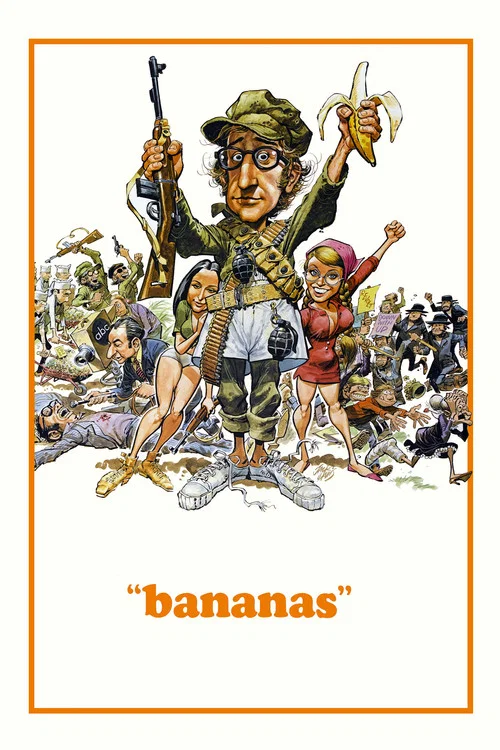
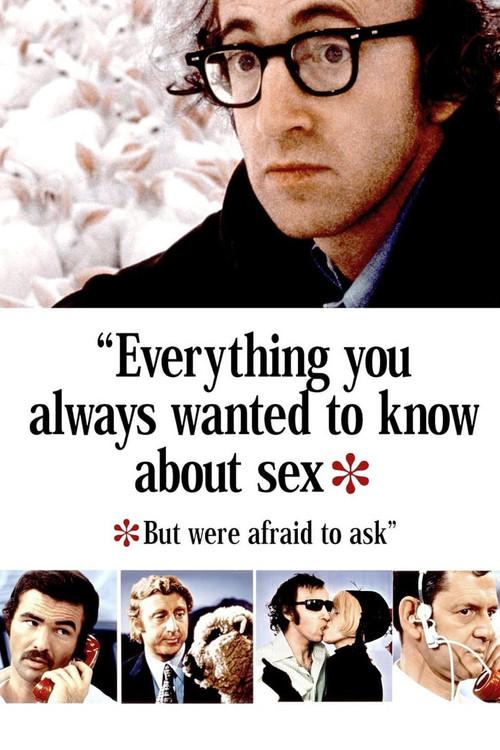
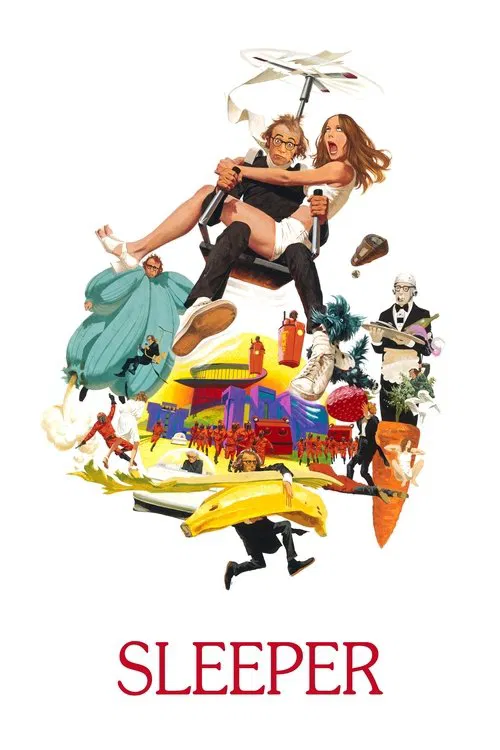
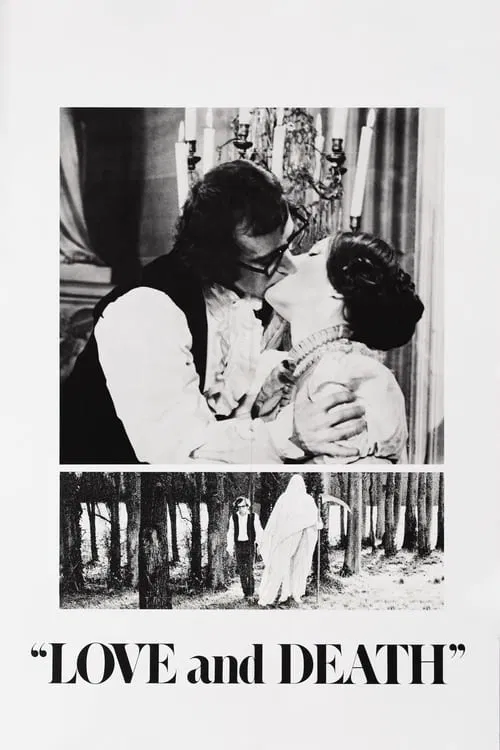
Woody Allen directed Small Time Crooks, released in 2000. CineCode also covers Take the Money and Run (1969), Bananas (1971), Everything You Always Wanted to Know About Sex *But Were Afraid to Ask (1972), Sleeper (1973), Love and Death (1975), Annie Hall (1977).
What films are similar to Small Time Crooks?
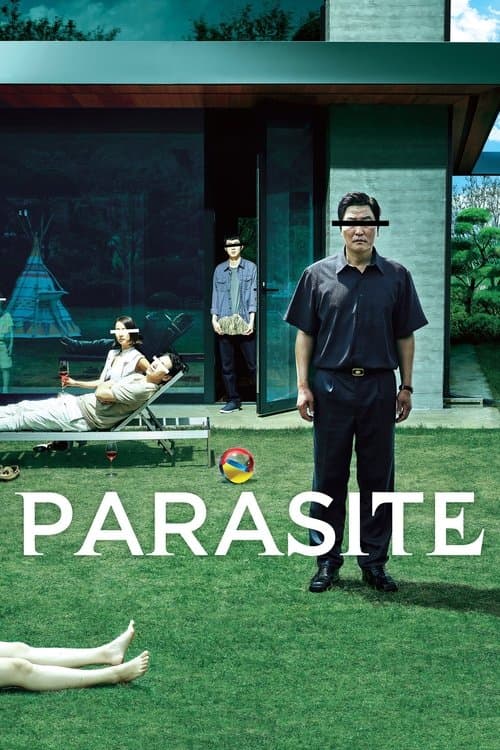
Films that share techniques with Small Time Crooks include After Hours (1985), Another Round (2020), Cars (2006), Parasite (2019).