Romance · Drama · Sport

Challengers

Luca Guadagnino, 2024

Art and Patrick were best friends and junior doubles champions until they both fell for tennis prodigy Tashi. By 2019, Tashi is married to Art and coaching him, and he faces Patrick in a small-time tournament final. Luca Guadagnino turns one tennis match into a love story, and I feel like the camera work in the final is the real show.

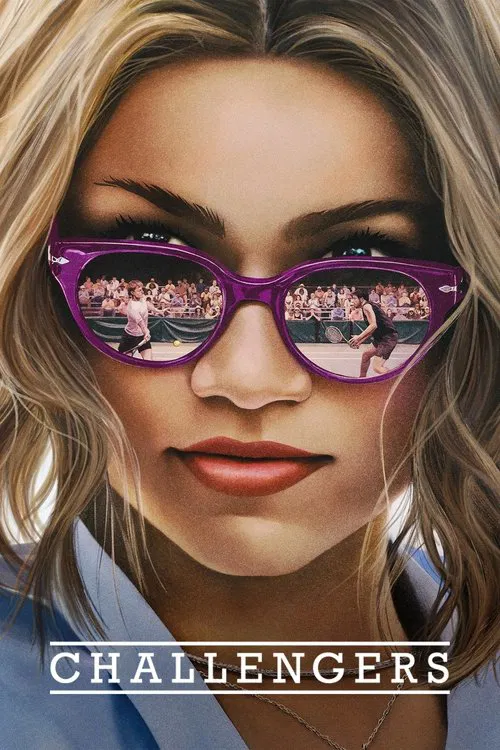
Challengers (2024) poster

At a glance

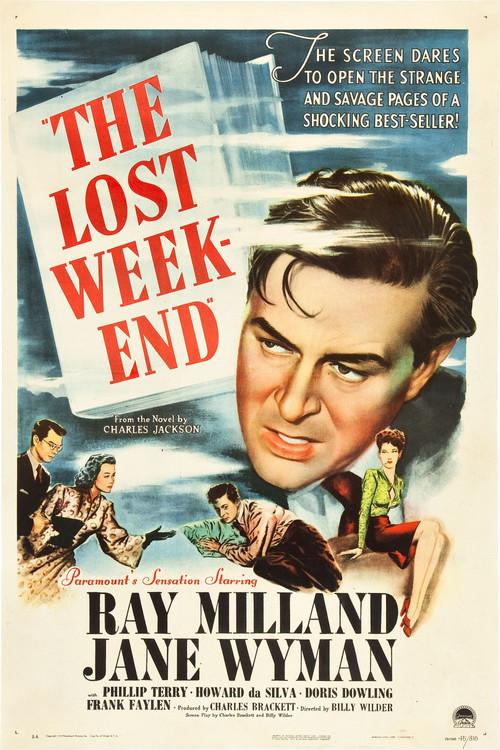
Challengers is a 2024 romance, drama and sport film directed by Luca Guadagnino. This breakdown covers 4 techniques (2 narrative, 1 cinematography and 1 sound), each with the scene where you can see it. If you like how it is made, The Lost Weekend uses several of the same techniques.

Narrative

Romantic Triangle Geometry

Building a love story around 3 people, where each pair has its own relationship and the third person always gets in the way. Your sympathy shifts because each of them has a fair claim.

How this film uses it

Every relationship in the film runs through all 3 of them. Tashi plays the 2 men against each other, and their friendship is its own kind of romance. Guadagnino has said that in a love triangle, all the corners touch. Your loyalty keeps moving because each of them has a fair claim.

Where to see it

The hotel room in 2006. Tashi kisses the 2 young men, then leads them into kissing each other before she ends the night.
Narrative

Parallel Chronology

Cutting back and forth between 2 timelines, often past and present. Each one helps explain the other as the film goes on.

How this film uses it

The film keeps cutting between the 2019 final and the 13 years that led to it. Each flashback explains a look or a gesture you just saw on court. By the last point, every rally carries all of their history.

Where to see it

The Challenger final in New Rochelle. As Art and Patrick trade points, the film cuts back to their junior days, Tashi's knee injury at Stanford and the affairs that broke the trio apart.

Cinematography

Subjective Camera

Placing the camera where a character's eyes are, or shooting the scene the way that character experiences it. You see and feel things from inside their head.

How this film uses it

In the final minutes, the camera goes places a camera shouldn't. It looks up at the players from beneath the court and rides along as the ball, flying back and forth between them. The ball shots were too fast to film for real, so they were finished with visual effects.

Where to see it

The tiebreak at the end of the final. The shots switch between the ball's point of view and the view from under the court as the rally gets more frantic.

Sound

Electronic Score

Scoring with synthesizers, club beats or electronic instruments. The texture can suggest a period, a mood or a character's inner state.

How this film uses it

Guadagnino asked Trent Reznor and Atticus Ross for a very loud techno score, inspired by Berlin clubs and 90s raves. It pounds under the tennis and under the glances between the 3 leads. The music keeps telling you these 3 are always competing, on court and off.

Where to see it

The tennis matches. The score kicks in hard during rallies, so the points feel like a night at a club.

Questions

Challengers: quick answers

What filmmaking techniques does Challengers use?
CineCode breaks down 4 techniques in Challengers (2024): Romantic Triangle Geometry, Parallel Chronology, Subjective Camera and Electronic Score.
Who directed Challengers?
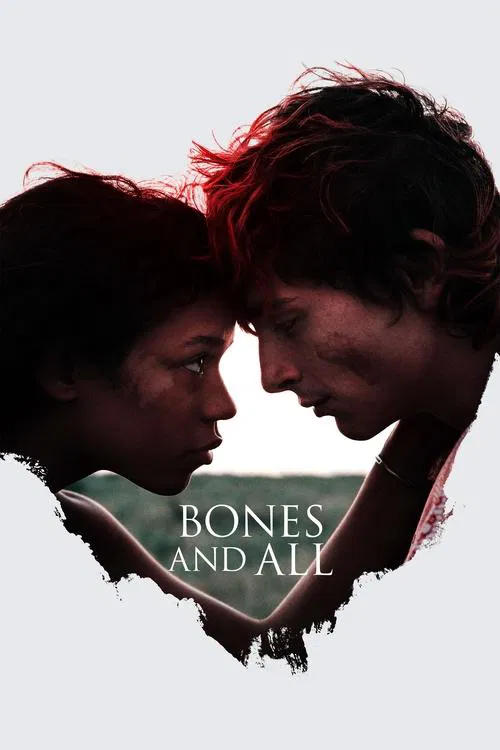
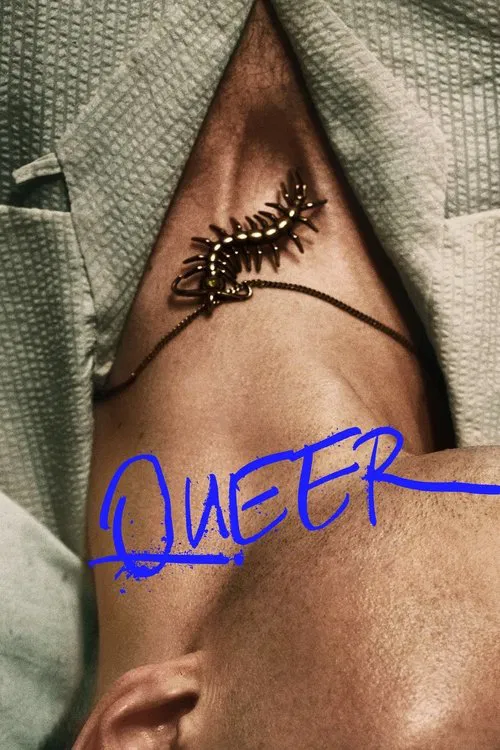
Luca Guadagnino directed Challengers, released in 2024. CineCode also covers I Am Love (2010), A Bigger Splash (2015), Call Me by Your Name (2017), Suspiria (2018), Bones and All (2022), Queer (2024).
What films are similar to Challengers?
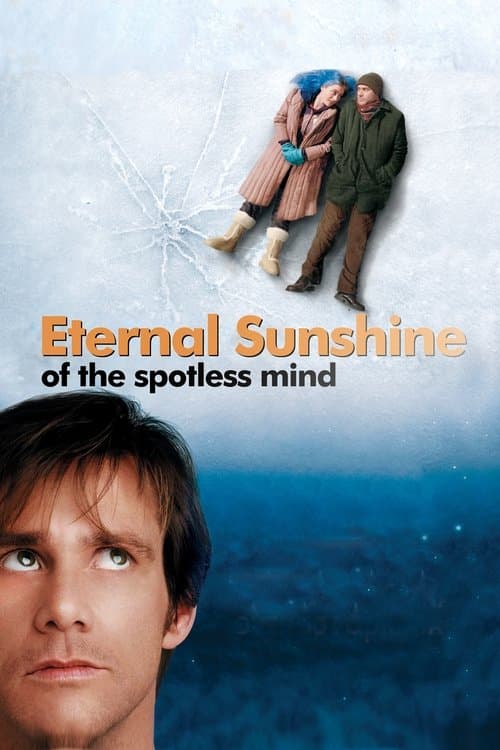
Films that share techniques with Challengers include The Lost Weekend (1945), Eternal Sunshine of the Spotless Mind (2004), The Godfather Part II (1974), Casablanca (1942).