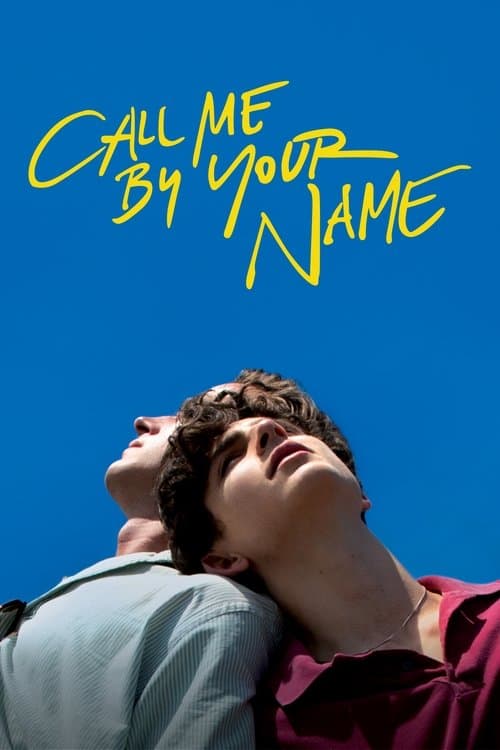
Call Me by Your Name
Luca Guadagnino · 2017
In the summer of 1983 in northern Italy, seventeen-year-old Elio falls into a consuming love with Oliver, his father's twenty-four-year-old American research assistant — a summer that will define the rest of his life. Luca Guadagnino's film is about the irreversibility of a first great love.
Techniques Used
4 techniques identified in this film
Heat as Psychological Pressure
CinematographyThe use of summer heat — visible in haze, sweat, and the physical behavior of characters — as an environmental analog for erotic and emotional tension.
How this film uses it
Guadagnino's film is saturated with Italian summer heat — the light filtered through olive trees, the characters always swimming, reading, or lying still — the physical warmth a constant pressure that makes the film's desire feel as inevitable as the season.
Music as Social Bridge
SoundThe use of music as the medium through which characters discover each other, negotiate desire, or cross social distance.
How this film uses it
Elio's piano playing — the Bach transcriptions, the Sufjan Stevens songs on the soundtrack — becomes the language through which he communicates to Oliver what he cannot say directly, music as the syntax of unspoken desire.
Observational Restraint
NarrativeA filmmaking approach that withholds explanation, allowing behavior and environment to communicate character meaning without dialogue.
How this film uses it
Guadagnino films the summer with the patient attention of a filmmaker who trusts sunlight and duration — resisting the impulse to score every moment, letting the camera observe the boys inhabiting the same space across weeks.
Earned Catharsis
NarrativeAn emotional release that has been structurally prepared for through sustained tension and investment, making the audience's grief feel deserved rather than manipulated.
How this film uses it
The film earns its devastating final monologue — Mr. Perlman telling Elio to feel everything — by spending two hours making the love completely real before taking it away.
You Might Also Like
Films that share at least one technique with Call Me by Your Name
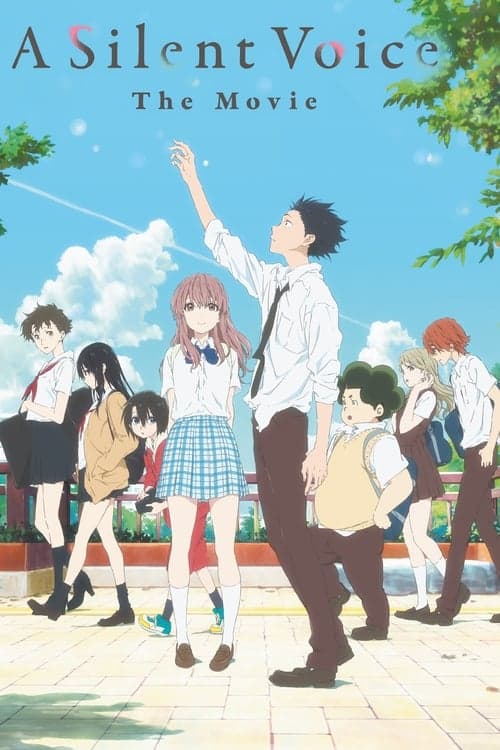
A boy who bullied a deaf girl in elementary school attempts to make amends when they reconnect in high school, the film exploring the long shadows of childhood cruelty and the difficulty of forgiveness — for others and for oneself. Naoko Yamada's film is about the weight of shame and the possibility of redemption.
A Silent Voice
Naoko Yamada · 2016
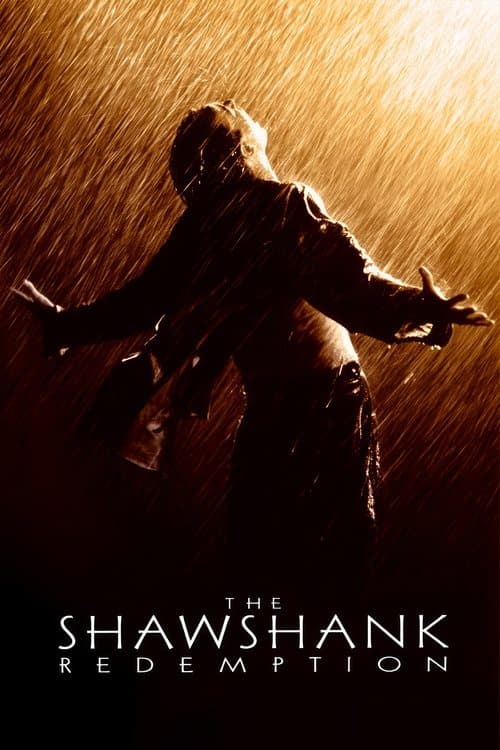
A banker wrongly convicted of murder endures nearly two decades inside Shawshank Prison through quiet resistance, unlikely friendship, and an unbroken will. A film about hope as an act of defiance against the slow machinery of institutional dehumanization.
The Shawshank Redemption
Frank Darabont · 1994
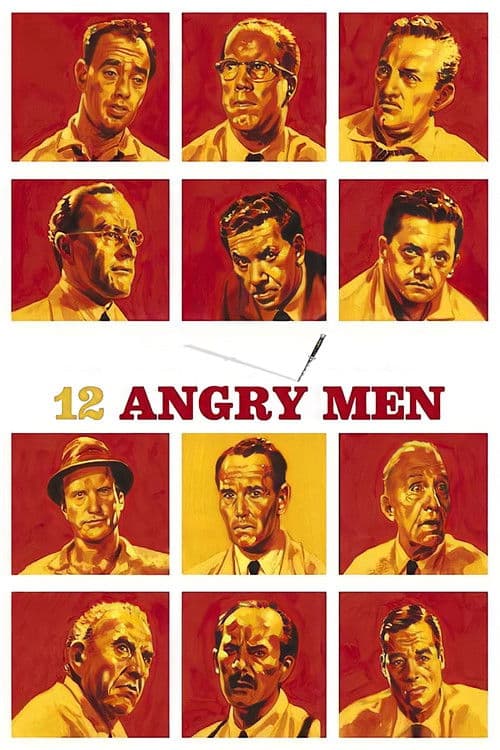
Twelve jurors deliberate the fate of a teenager accused of murder, and one holdout methodically dismantles the case through logic and moral persistence. A real-time chamber film about prejudice, groupthink, and the fragility of reasonable doubt.
12 Angry Men
Sidney Lumet · 1957