Drama · Romance

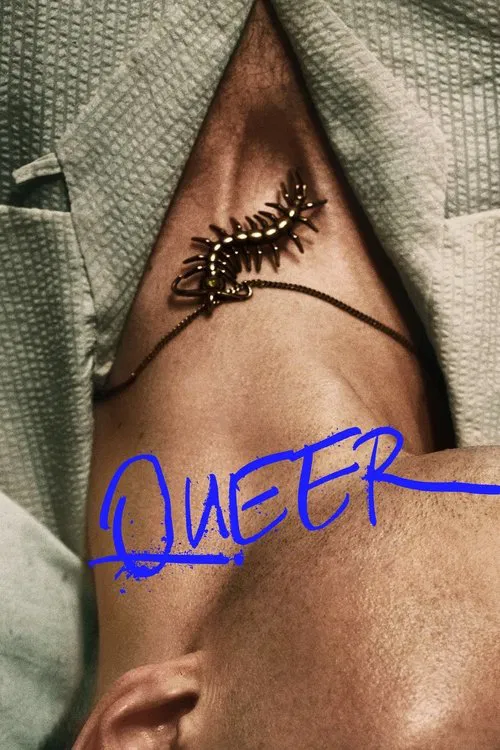
Queer

Luca Guadagnino, 2024

In 1950 Mexico City, American expatriate William Lee falls hard for a younger man, Eugene Allerton, who keeps him at a distance. Lee invites him to travel to South America in search of a drug that is said to give telepathy. The film is based on a novel by William S. Burroughs.

Queer (2024) poster

At a glance

Queer is a 2024 drama and romance film directed by Luca Guadagnino. This breakdown covers 5 techniques (1 narrative, 2 cinematography, 1 sound and 1 psychology), each with the scene where you can see it. If you like how it is made, Marty Supreme uses several of the same techniques.

Narrative

Obsession as Structural Engine

Building the whole plot on one character's fixation with a person, goal or rival. Every scene ties back to it, and the obsession keeps feeding itself while it destroys them.

How this film uses it

Lee's need for Eugene drives every move. He chases Eugene through the bars of Mexico City, then takes him across South America, and his drug use worsens along the way. Everything you see comes from that single longing.

Where to see it

The trip to South America. Lee travels to find yage, a plant said to grant telepathic abilities, while his dependence grows.
Cinematography

Location Stand-In

Shooting a scene in one place and dressing it to pass for another, such as a stadium that stands in for an embassy. You accept the fiction as long as the details look right.

How this film uses it

The production shot at Cinecittà Studios in Rome, and the film dresses it to look like Mexico City in 1950. The studio setting gives the city a dreamlike, artificial feel. Additional scenes for the last act were filmed in Quito, Ecuador.

Where to see it

The Mexico City scenes. Lee's bars and streets in Mexico City were shot at Cinecittà Studios in Rome.

Sound

Anachronistic Soundtrack

Playing music from a different era, such as hip-hop, rock or pop, over a story set in the past. The clash comments on how those past events connect to the present.

How this film uses it

The film uses songs by Nirvana, Prince, New Order and Sinead O'Connor in a story set in 1950. The modern music tells you that Lee's loneliness did not stay in the past.

Where to see it

The needle drops. Songs from the 1980s and 1990s play over scenes set in 1950.

Cinematography

Visual Literalization of Inner State

Showing an inner problem as something you can see, such as a visible lie, a blurred actor or a fully built imagination. The idea becomes a physical sight.

How this film uses it

In the jungle, Lee and Eugene drink ayahuasca and the film shows what their feelings would look like. They vomit out their hearts, speak without words and meld their bodies together. Longing becomes something you can see.

Where to see it

The ayahuasca scene. Lee and Allerton have hallucinations in which they vomit their hearts, communicate telepathically and meld together.

Psychology

Dream Imagery as Inner Life

Staging dreams, fantasies and imagination as literal scenes. The inner mind becomes visible, whether as wish, fear or creative power.

How this film uses it

The ending is a dream. Allerton plays William Tell with a glass on his head and Lee shoots him. Lee holds the body until it disappears and wakes as an old man, imagining a young Allerton comforting him.

Where to see it

The final dream. Lee shoots Allerton in a William Tell game and later awakens as an elderly man.

Questions

Queer: quick answers

What filmmaking techniques does Queer use?
CineCode breaks down 5 techniques in Queer (2024): Obsession as Structural Engine, Location Stand-In, Anachronistic Soundtrack, Visual Literalization of Inner State and Dream Imagery as Inner Life.
Who directed Queer?
Luca Guadagnino directed Queer, released in 2024. CineCode also covers I Am Love (2010), A Bigger Splash (2015), Call Me by Your Name (2017), Suspiria (2018), Bones and All (2022), Challengers (2024).
What films are similar to Queer?
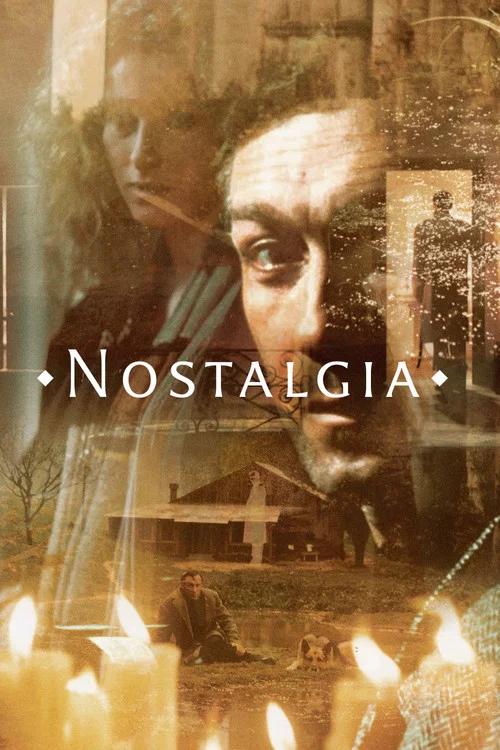
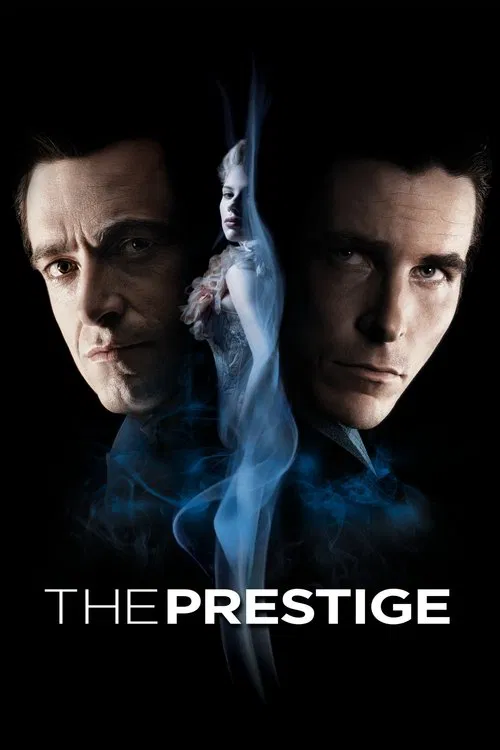
Films that share techniques with Queer include Marty Supreme (2025), Heavenly Creatures (1994), Nostalgia (1983), The Prestige (2006).