Horror · Mystery

Suspiria

Luca Guadagnino, 2018

In 1977 Berlin, an American dancer joins a famous dance academy run by a circle of witches. As students disappear, a psychotherapist starts asking questions. Guadagnino's remake of the 1977 horror film is slower, colder and more political. Watch the dance scenes closely.

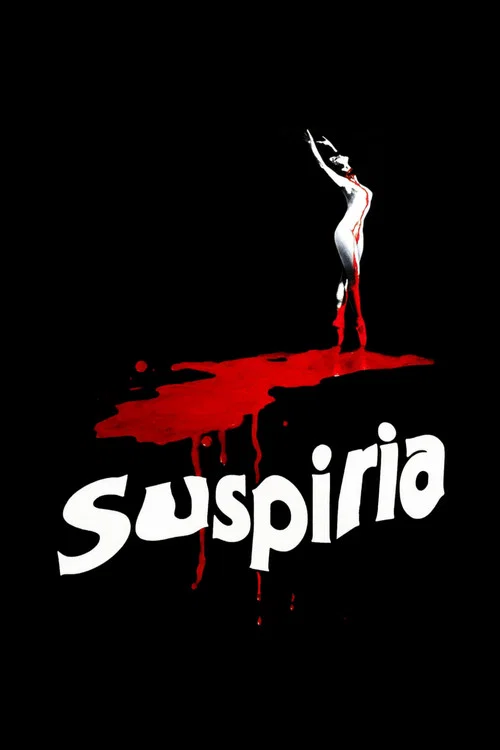
Suspiria (2018) poster

At a glance

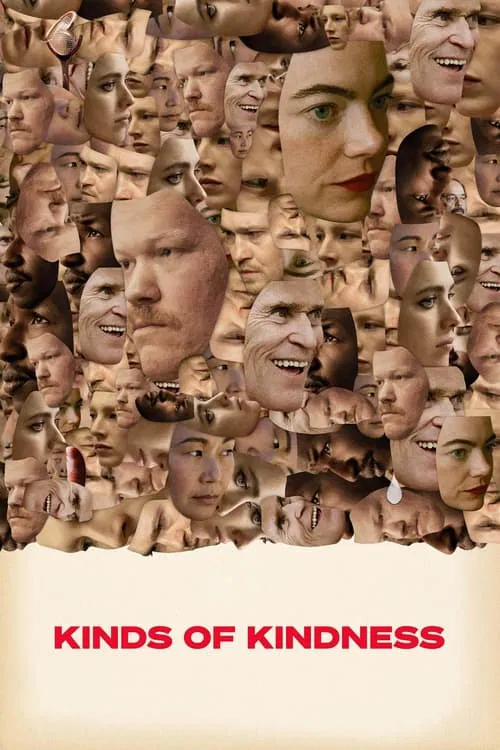
Suspiria is a 2018 horror and mystery film directed by Luca Guadagnino. This breakdown covers 4 techniques (2 psychology, 1 narrative and 1 cinematography), each with the scene where you can see it. If you like how it is made, Kinds of Kindness uses several of the same techniques.

Psychology

Body Horror

Showing the human body being changed, damaged or falling apart. The horror works because you imagine it happening to your own body, and it often stands for mental suffering.

How this film uses it

The dancing itself becomes the weapon. Susie's movements break another dancer's body from afar. You feel each twist in your own bones because the film stays on the damage.

Where to see it

Olga in the mirrored room. Trapped alone in the room, she is physically wrecked by Susie's dance while her bones and organs are damaged.
Narrative

Three-Role Performance

Casting one actor in 3 different roles in the same film. You stay aware of the acting, which stops you sinking into any one character and reminds you that social roles are performances too.

How this film uses it

Tilda Swinton plays Madame Blanc, the aged witch Helena Markos and the psychotherapist Dr. Klemperer, who is credited to a made-up actor. Because you know one actor is behind all three, you notice the performance instead of disappearing into one person.

Where to see it

Klemperer's last scene. The day after the sabbath he learns what happened to his wife Anke at Theresienstadt, and a seizure erases his memories.

Psychology

Cult Structure as Social Horror

Using a cult or closed community, with its ranks, rituals and pressure to obey, as the source of horror. The threat is belonging to the group, with no single monster.

How this film uses it

The academy is a coven with ranks and rules. The pressure to belong and obey is what frightens you, more than any single monster.

Where to see it

The sabbath. Susie reveals herself as Mother Suspiriorum and kills Mother Markos and the matrons loyal to her.

Cinematography

Era-Coded Visual Grammar

Changing the color, film texture and camera style for each time period, and using the fashion and architecture of the day. Every era gets its own distinct feel.

How this film uses it

Cinematographer Sayombhu Mukdeeprom used long zooms, which were fashionable in the 1970s, and visible grain to bring back the look of films from that decade. The colors are sparing and the mood is wintry and dark. You feel the decade in the camera.

Where to see it

The Volk performance. In the film's six-minute climactic dance sequence, Susie leads the academy's piece while Sara dances in a trance and then collapses in pain.

Questions

Suspiria: quick answers

What filmmaking techniques does Suspiria use?
CineCode breaks down 4 techniques in Suspiria (2018): Body Horror, Three-Role Performance, Cult Structure as Social Horror and Era-Coded Visual Grammar.
Who directed Suspiria?
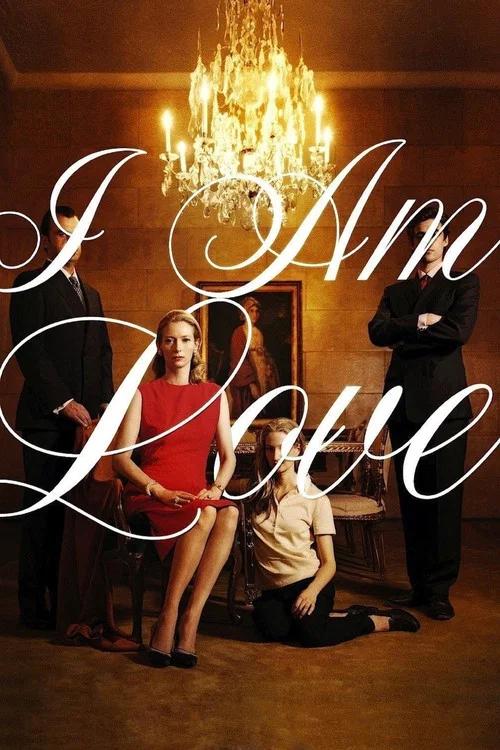
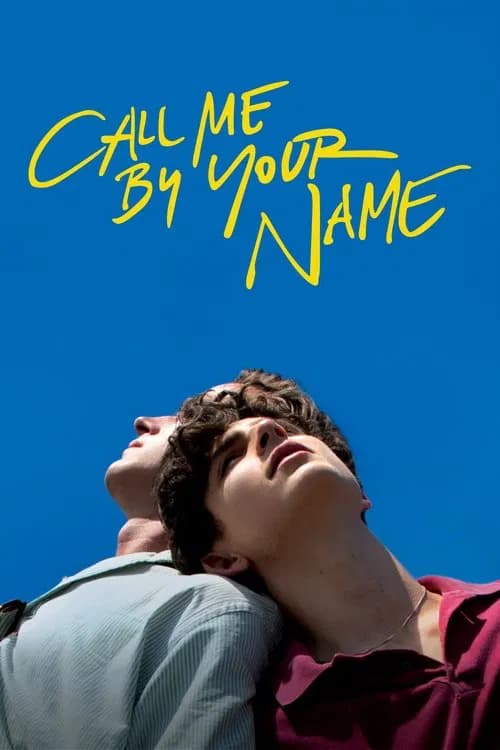
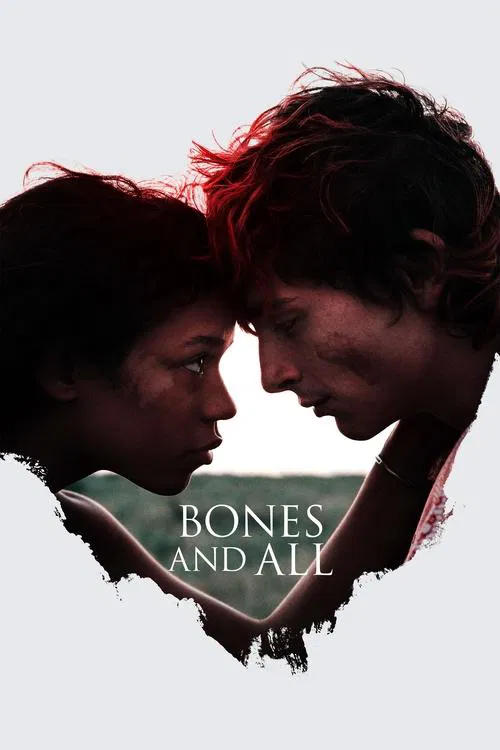
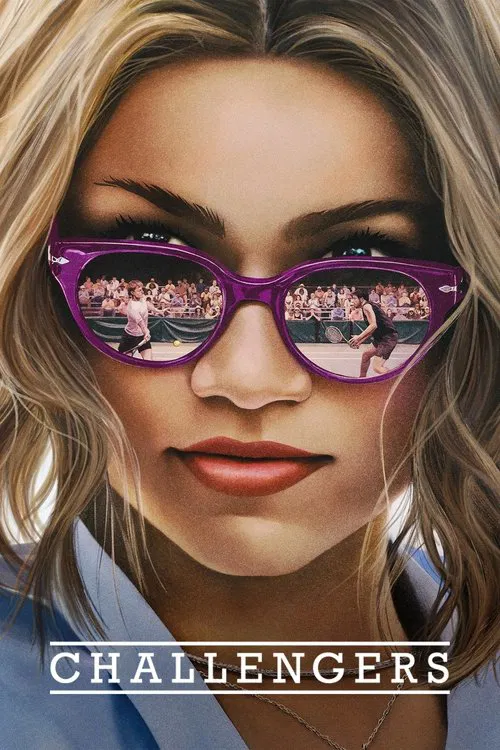
Luca Guadagnino directed Suspiria, released in 2018. CineCode also covers I Am Love (2010), A Bigger Splash (2015), Call Me by Your Name (2017), Bones and All (2022), Challengers (2024), Queer (2024).
What films are similar to Suspiria?
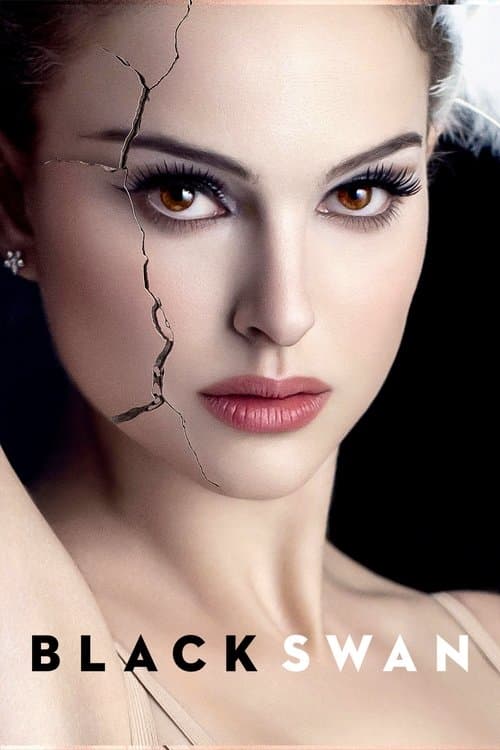
Films that share techniques with Suspiria include Kinds of Kindness (2024), Black Swan (2010), 28 Years Later: The Bone Temple (2026), City of God (2002).