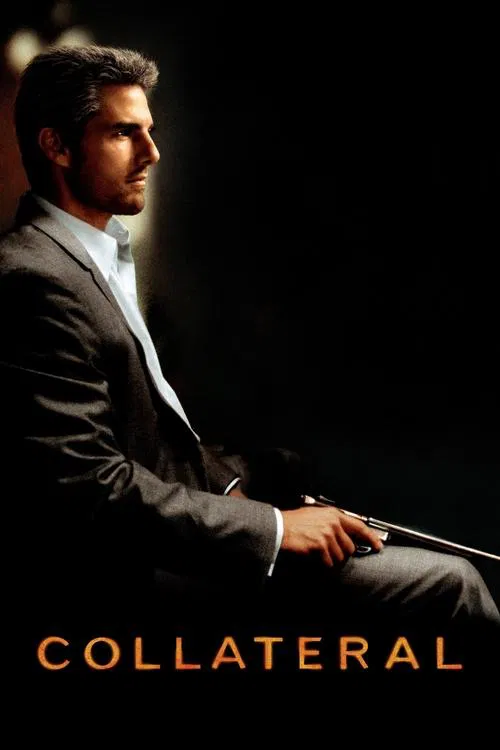
A Los Angeles cab driver picks up a calm stranger who turns out to be a contract killer with a list of people to kill before dawn. The driver is stuck behind the wheel all night. Watch how Michael Mann shoots the city as a glowing, empty place.
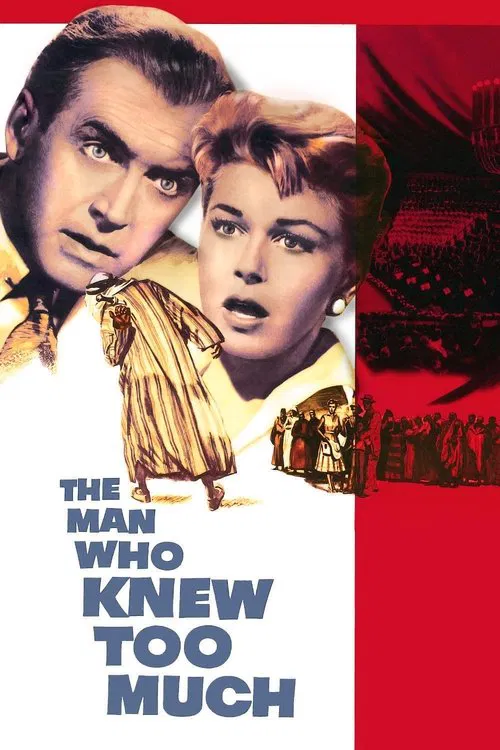
Collateral is a 2004 crime, thriller and drama film directed by Michael Mann. This breakdown covers 5 techniques (1 psychology, 2 narrative and 2 cinematography), each with the scene where you can see it. If you like how it is made, The Man Who Knew Too Much uses several of the same techniques.
Pairing the main character with a second character who mirrors them. The double shows what the hero wants, fears or secretly is.
How this film uses it
Max talks about a limousine company he never starts, and he has even told his mother it already exists. Vincent has no such excuses and says so. The hitman looks like what Max would be with no fear.
Where to see it
The argument about human life. Max and Vincent fight in the cab, and Max crashes it on purpose to try to stop him.
Dropping a normal citizen with no special training into a conspiracy or crime. You identify with them because they are as unprepared as you would be.
How this film uses it
Max has no weapon and no training, only a car and his knowledge of Los Angeles streets. His first plan is to honk for help and his second is to steal the briefcase. They are the moves you might try yourself.
Where to see it
The first stop. A body falls onto the cab, and Vincent makes Max hide it in the trunk and keep driving.
Building the story around a clear deadline the hero must beat. The time pressure and the obstacles grow with each scene until the climax.
How this film uses it
Vincent has a list of stops to finish before the night ends. Each interruption, like the hospital visit and the lost briefcase, forces him to make up time. You feel the hours running out with them.
Where to see it
The briefcase on the freeway. Max steals Vincent's briefcase and throws it onto the road, forcing Vincent to get the list again from a drug lord.
Shooting on digital cameras or even smartphones instead of film stock. Small, light cameras let the crew work fast and go places large ones cannot, giving a plain, immediate image.
How this film uses it
Mann shot much of the film on a Viper high definition camera, one of the first used in a major film. The camera sees well in low light, so the city glows in the dark with little added lighting. The nightclub scene was shot on 35 mm film.
Where to see it
The coyote crossing. Late at night a coyote trots across an empty street in front of the cab, and Max and Vincent both watch it.
Filming in recognizable real places so the setting acts like part of the cast. Streets, buildings and landscapes shape the mood of the story.
How this film uses it
The film was shot across Los Angeles, including Koreatown and the airport. The cab is the one way you see the whole city, from freeways to nightclubs. The city's night is the world of the movie.
Where to see it
The Metro train finale. Max and Annie flee onto a train, where a shootout leaves Vincent fatally wounded, and his body rides on alone.
Questions
Collateral: quick answers
What filmmaking techniques does Collateral use?
CineCode breaks down 5 techniques in Collateral (2004): Psychological Doubling, Ordinary Person in Extraordinary Plot, Ticking Clock Structure, Digital Camera Capture and Real Locations as Character.
Who directed Collateral?
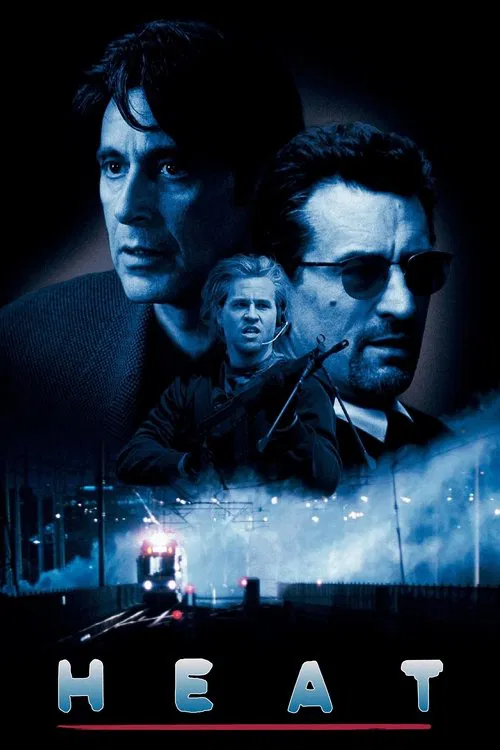
Michael Mann directed Collateral, released in 2004. CineCode also covers Heat (1995).
What films are similar to Collateral?
Films that share techniques with Collateral include The Man Who Knew Too Much (1956), American Gangster (2007), Before the Devil Knows You're Dead (2007), Caught Stealing (2025).